Energy shock will raise inflation — what it means for Ukraine and the budget
IMF chief Kristalina Georgieva warns: a 10% rise in energy prices would add 40 basis points to inflation and slow growth. We analyze how this will hit households, the balance of payments and the IMF program for Ukraine ($8.1 billion).

By Tetiana Suchkova-Ladik
March 6, 2026 · 2 min read
What the IMF chief said
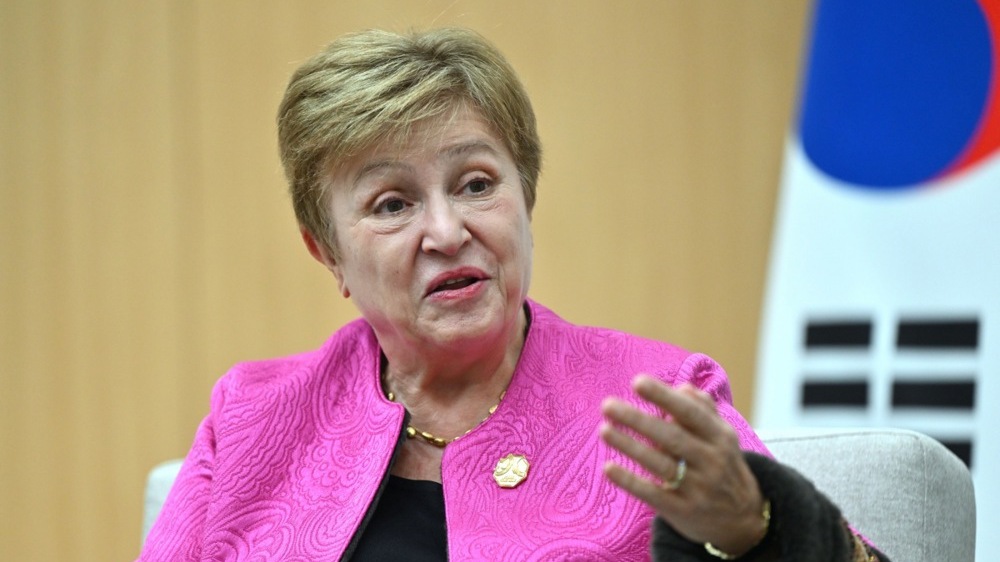
IMF head Kristalina Georgieva told Bloomberg Television that if energy prices rise by 10% over a year, it would lift global inflation by 40 basis points and slow economic growth by 0.1–0.2%. In her words, the economy is holding so far — but its resilience is being tested anew.
"The global economy has proven remarkably resilient. Shock after shock, yet growth still stands at 3.3%. But that resilience is being tested again."
— Kristalina Georgieva, Managing Director of the IMF
Why an energy shock affects everyone
Prices for oil, gas and coal determine the costs of transport, electricity and production — driving up business costs and utility tariffs. Elevated energy inflation pushes up overall inflation, and central banks are forced to adjust monetary policy, which ultimately slows GDP growth.
What triggered it
After an escalation of hostilities in the region, tanker traffic through the Strait of Hormuz effectively stopped, and fuel exports from the Persian Gulf were partially halted — pushing prices higher. Analysts and LIGA.net are already examining how these movements will affect fuel supplies to Ukraine and whether a local shortage is possible.
Risks for Ukraine
For our country the main dangers are higher tariffs, pressure on the balance of payments and the risk of increased debt burden. At the same time, cooperation with the IMF under an extended financing program for $8.1 billion (the first tranche was received on March 3) provides room for maneuver: the Fund is already negotiating expanding programs for affected countries.
What to do — a short checklist
Actions the government and businesses should focus on:
- maintain foreign exchange reserves and a fiscal buffer;
- ensure transparent market fuel supply and curb speculation;
- coordinate with international partners clear assistance mechanisms for vulnerable sectors.
Conclusion
Rising energy costs are not an instantaneous cataclysm, but a chain threat to inflation, the exchange rate and the budget. It is important that political statements turn into concrete steps: reserves, tranches and logistical solutions will determine how painfully Ukraine goes through this cycle.