Von der Leyen: Funding for Ukraine will determine Europe's security for years to come
On the eve of the European Council summit, the President of the European Commission put two concrete options on the table — using frozen Russian assets or pursuing joint EU borrowing. The decision will affect the volume of aid to Ukraine over the next two years and the EU's willingness to accept risk in the name of security.

By Tetiana Suchkova-Ladik
December 17, 2025 · 2 min read
In high diplomacy, it's not loud statements but quiet agreements that matter
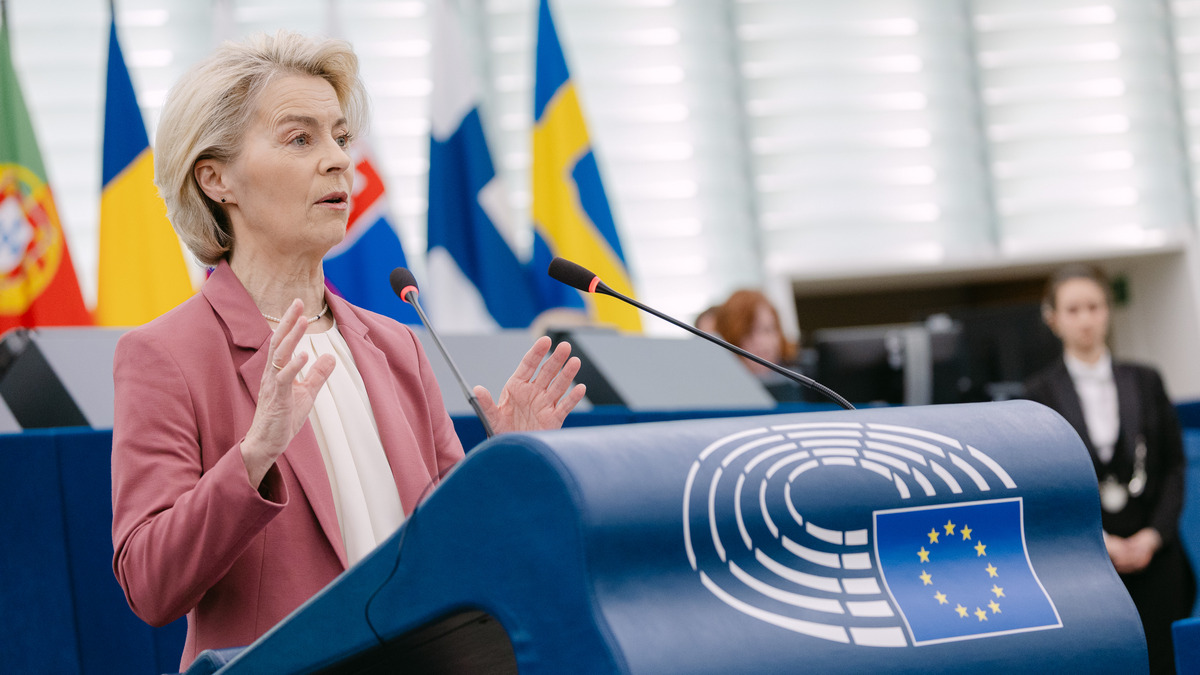
President of the European Commission Ursula von der Leyen, on the eve of the European Council summit, called support for Ukraine "the most important act of European defence." This is not rhetoric: at stake are the mechanisms that will determine how much money and on what terms the EU will send to Kyiv over the next two years.
"There is no act of European defence more important than supporting Ukraine's defence. In the coming days we face a decisive step to ensure it... We recognise the urgency. It is acute."
— Ursula von der Leyen, President of the European Commission
Numbers and proposals: what's on the table
According to the International Monetary Fund, Ukraine's need for external financing for 2026–2027 is about €137 billion. The European Commission has proposed taking on roughly two-thirds of that sum — ≈ €90 billion. At the same time, it proposed using up to €210 billion of frozen assets of the Central Bank of the Russian Federation as a source of financing.
Two paths — different consequences
The European Commission has put forward two options: 1) financing based on frozen Russian assets and 2) borrowing on behalf of the EU. The first option carries a strong political message and reduces the direct burden on taxpayers in the short term, but it creates legal and procedural risks. The second frees the mechanism from legal complications, but entails joint EU debt and potential fiscal costs for member states.
What this means for Ukraine and for Europe
For Ukraine, rapid approval of the package would mean stable budgetary flows, support for the armed forces, and economic resilience during the negotiation process. For the EU, it is a test of solidarity and the willingness to take on financial risks for the continent's security: the decision will show whether the Union can transform sanctions and asset freezes into concrete aid.
Experts' view
The expert community stresses that the decision must be technically and thoroughly drafted to avoid prolonged court disputes and ensure transparency in the use of funds. Analysts also note the political effect — the indefinite freezing of assets sends a clear signal to Moscow and strengthens Kyiv's negotiating position.
The decision must be taken at the summit on 18–19 December. It will not only determine the amounts of assistance but also reflect how ready the EU is to risk economic costs for the sake of long-term security. The ball is now with the leaders of the member states: will they transform the political signal into concrete funds — or will it remain in the realm of declarations?