Reconstruction Fund: Cabinet develops mechanism, there will be no tax
While the world decides how to punish the aggressor, Ukraine is preparing a separate reconstruction fund — with funding sources, but without a new tax until the end of the war. This could become a historic moment for our children and the economy.

By Oleg Bazylewicz
December 16, 2025 · 2 min read
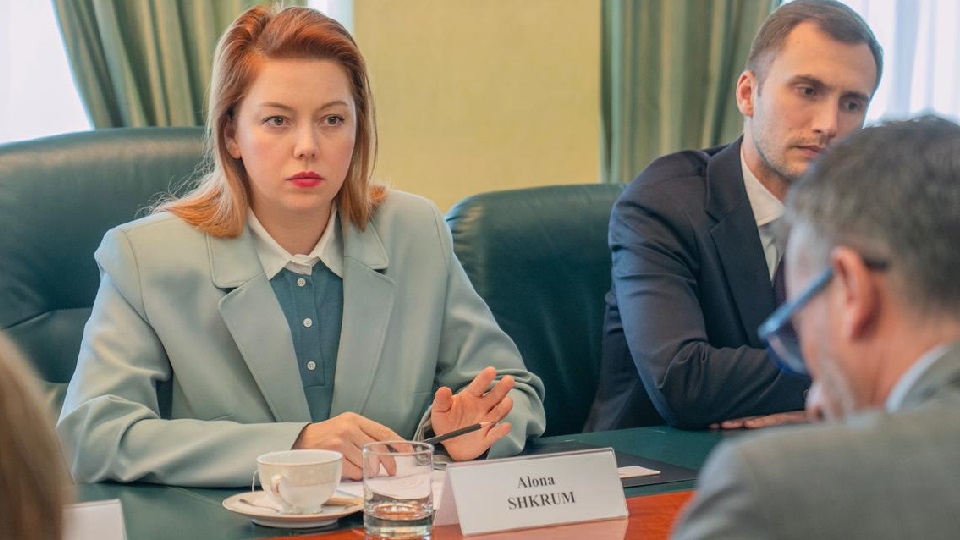
The paradox of war: they try to break us, and we are already preparing to rebuild after victory. The Cabinet is working on creating a separate reconstruction fund with its own funding mechanism — and this decision concerns everyone who calls Ukraine their home.
Deputy Minister of Development of Communities and Territories Aliona Shkrum told Forbes Ukraine that the idea of a fund is being discussed, including based on models used by other countries. But there is a fundamental condition — no separate tax will be introduced until the war ends.
The reason is simple: no international bank is designed for large-scale reconstruction during active hostilities. Many institutions require long bureaucratic procedures and high state guarantees, and we need money today.
"Grants are approximately 5–10%. And that is a problem, because loans will have to be repaid by our children. That is wrong."
– Aliona Shkrum, Deputy Minister of Development of Communities and Territories
Why this matters
This is not just a technical budget conversation — it is a battle for the future of our cities, schools and hospitals. If reconstruction falls on loans, our children will pay. That is why creating a fund with transparent sources of financing is an urgent national task.
The head of the relevant committee of the Verkhovna Rada and Secretary of the Recovery Council, Danylo Hetmantsev, firmly rejects the option of new taxes after the war and names other priority sources.
"No, under no circumstances are we considering additional taxes for recovery. Sources of reconstruction should be funds from formalizing the shadow economy, resources mobilized by partners, investments and reparations from Russia."
– Danylo Hetmantsev, Member of Parliament, Secretary of the Recovery Council
Sources of funding
There are specifics — formalization of the shadow economy, external and internal investments, partner funds and reparations from Russia. Added to this is a major international step: the European Commission has proposed using up to €210 billion of blocked assets of the Russian Central Bank to assist Ukraine.
Everyone is discussing this proposal: the decision on the mechanism for reparations and reconstruction loans is scheduled to be considered at the EU summit on December 18–19. Western analysts believe that adopting such an initiative could become a turning point for quickly launching large-scale reconstruction.
What’s next
We stand at a historic moment: how quickly and clearly the financial architecture for reconstruction is built will determine whether the aggressor or our children will pay. Insiders and experts emphasize — now we must push for reparations, attract investments, and establish a transparent fund that will work to restore cities and villages.
This is not simple bureaucracy — it is a matter of justice and security. We must turn the crisis into an opportunity: ensure reconstruction at the expense of those who started the war, and build a strong, resilient state for future generations.