FT: ECB chief's actual pay 56% higher than disclosed — a test of European institutions' transparency
A Financial Times analysis found that Christine Lagarde's total compensation substantially exceeds the figures officially reported by the ECB. This is not just about pay — it's about accountability, standards of transparency, and trust in European institutions.

By Tetiana Suchkova-Ladik
January 2, 2026 · 2 min read
What the Financial Times found
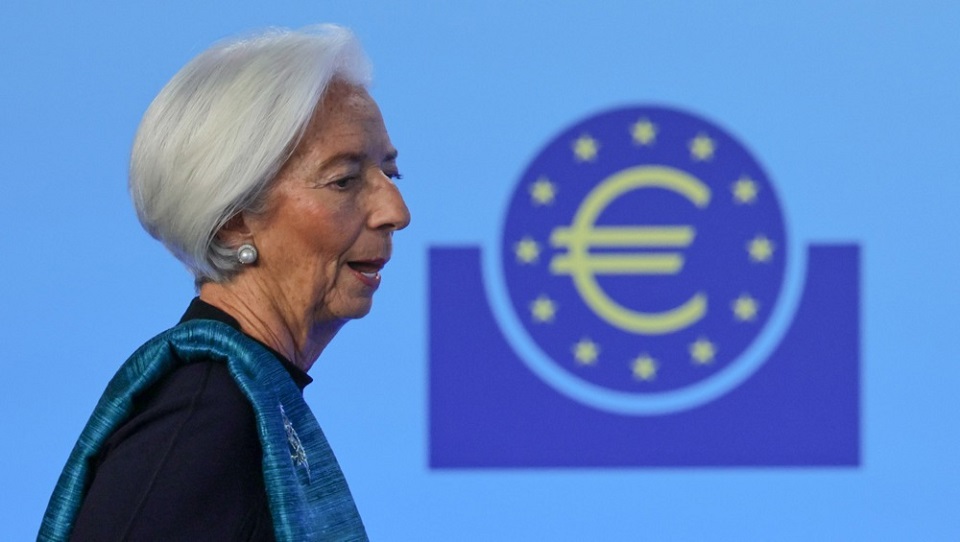
Analysis by the Financial Times shows: in 2024 the total remuneration of European Central Bank President Christine Lagarde amounted to about €726,000, roughly 56% higher than the published "base" salary of €466,000 stated in the ECB's annual report.
FT included additional payments for housing and other allowances (~€135,000) in that sum, as well as remuneration for a seat on the board of the Bank for International Settlements — about €125,000. Due to legal restrictions in the United States, Federal Reserve Chair Jerome Powell does not receive similar external remunerations; his official salary is $203,000 (~€172,720).
"The ECB President and highly paid EU officials should represent the gold standard of accountability."
— Fabio De Masi, Member of the European Parliament
Why it matters
The gap between "base" and actual compensation raises two questions: how remuneration is calculated in international institutions and how fully it is disclosed. For citizens and markets, it is a signal about the level of transparency expected from bodies that set financial rules and policy in the EU.
Key facts: the amount identified does not mean illegal enrichment — but points to incomplete public reporting. FT explains its calculations using data from the ECB and BIS annual reports, while the BIS as an institution only publishes aggregate board payments.
"Our disclosure is in line with the practices of many other international public institutions; we have increased transparency over time."
— ECB (official position)
Context and consequences
FT also estimates possible one-off and transitional payments, which together could bring Lagarde's total pay to roughly €6.5m over eight years in office (about €810,000 per year), and from 2030 an annual pension of around €178,000. The methodology is based on available reports and technical documents; the lack of consolidated data leaves room for estimates.
A parallel comparison with private-sector executive pay (for example, €9.8m in 2024 for the CEO of Deutsche Bank) gives a sense of the scale of different remuneration systems, but does not resolve the question of accountability in the public sector.
What’s next?
This story is a test of the standards of EU public institutions. Analysts and some politicians are calling for unified disclosure rules so comparisons are transparent and representative. For partner countries, including Ukraine, the issue is important: trust in institutions and their accountability affect partners' willingness to make difficult financial and political decisions.
Whether the ECB will tighten transparency standards is more than an internal matter for the bank. It is a test for the entire system of European accountability.