Head of Ukraine's Presidential Office Budanov: €90 billion still not received, but "there will be no catastrophe"
Kyrylo Budanov publicly acknowledged: the EU‑promised funds have still not arrived in Ukraine and are unlikely to arrive anytime soon. But behind Orbán’s veto lies a concrete legal trap, not merely Budapest’s whim.

By Tetiana Suchkova-Ladik
April 4, 2026 · 3 min read
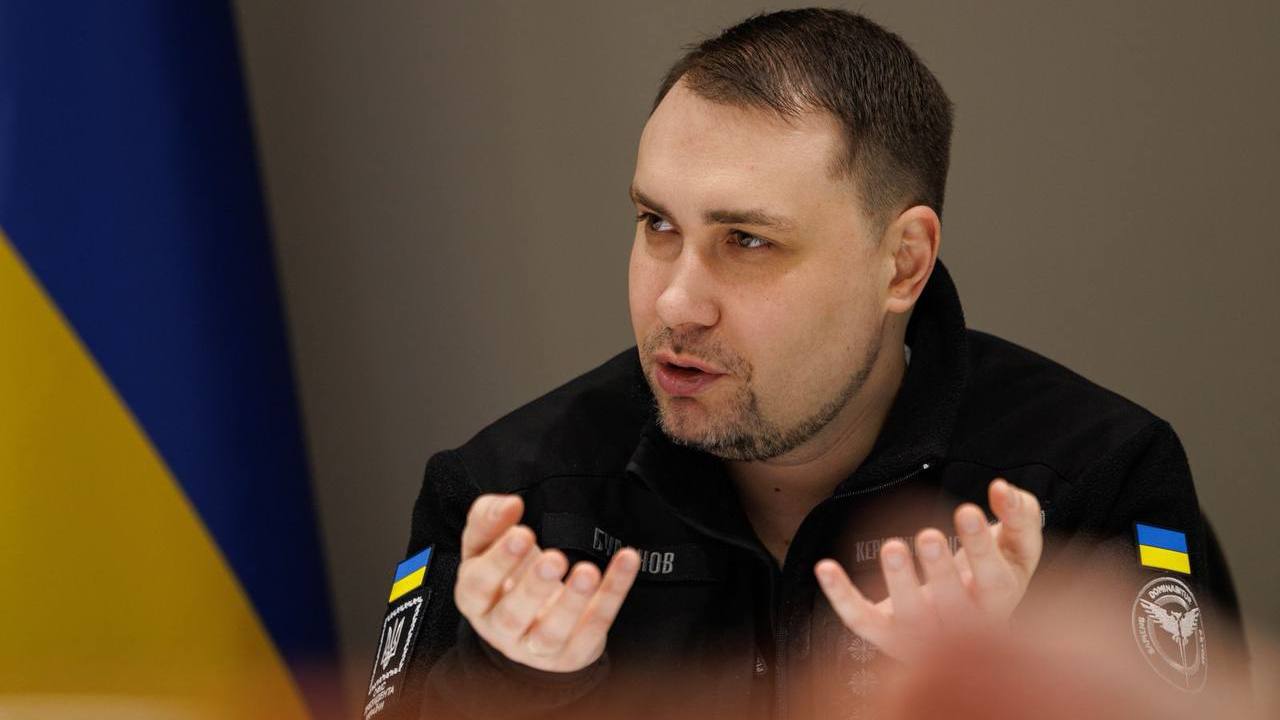
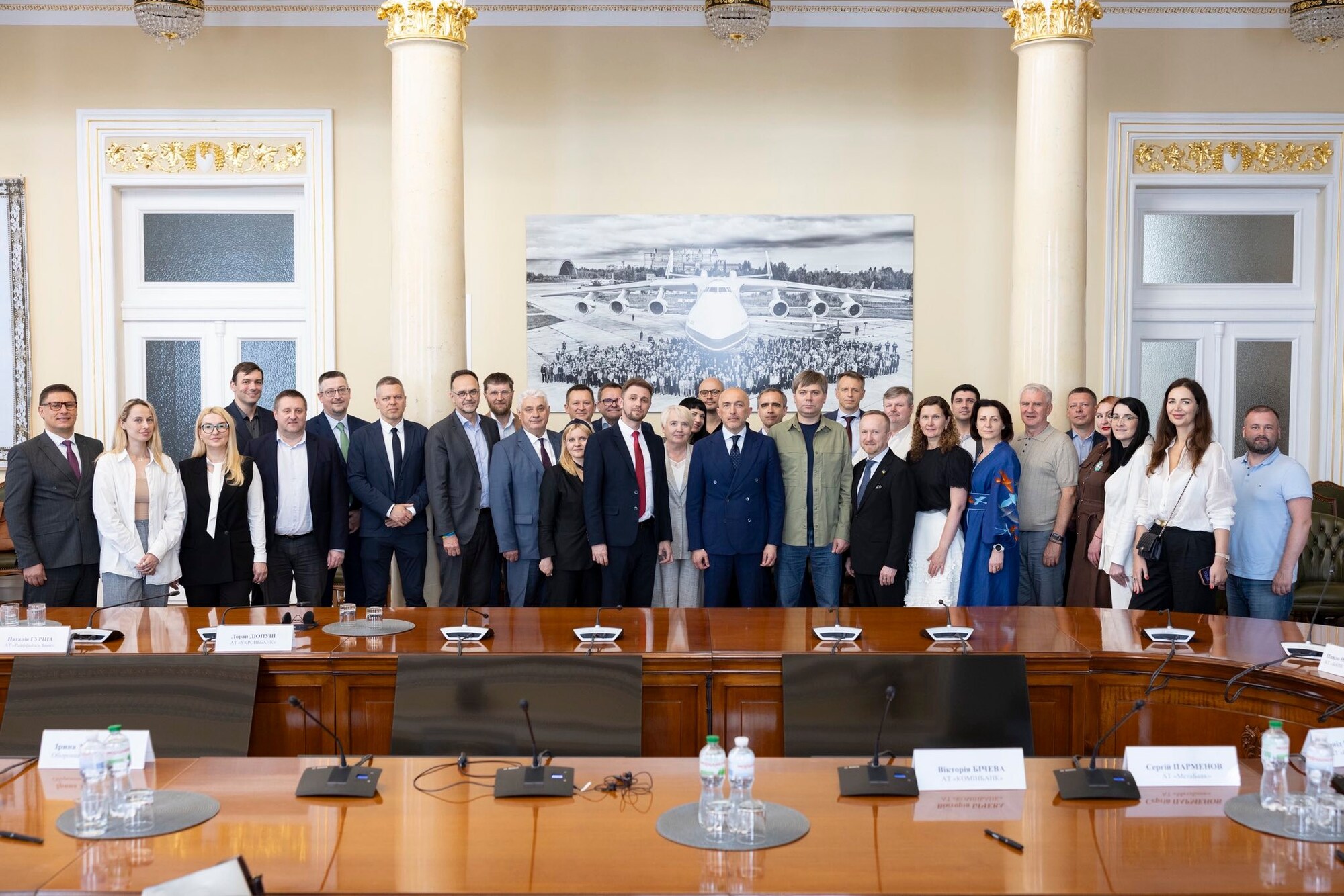
On April 3, at a CEO Club Ukraine meeting, the head of the Presidential Office Kyrylo Budanov made the most candid public admission about the status of the EU loan: there is no money, and most likely there will not be any in the near future.
"As of now, they are not there. We can state that. Recently representatives of the European Union were here; they promised and even named fairly close deadlines. How likely is that to materialize? My personal assessment — unlikely. But within a horizon of up to six months I think it might be possible."
Kyrylo Budanov, head of the Presidential Office, CEO Club Ukraine
What's behind the veto: not politics, but a legal construct
The EU agreed to a €90 billion loan for 2026–2027 back in December 2025. However, final approval requires unanimity among all 27 member states — and Hungary's veto came into play here. The formal reason: a Russian drone damaged the "Druzhba" oil pipeline, through which oil from Russia passes via Ukraine to Hungary and Slovakia. Orbán accused Kyiv of deliberately delaying repairs and blocked not only the loan but also the EU's 20th package of sanctions against Russia. "No oil — no money," the Hungarian prime minister summed up.
Brussels responded with a bypass maneuver: the loan was arranged through the enhanced cooperation mechanism (Article 20 of the EU Treaty) — with the participation of 24 countries excluding Hungary, Slovakia and the Czech Republic. In February the EU Council adopted a position on the legislative framework; in January the European Parliament approved the granting of the loan. But the third key document — changes to the EU's long-term budget — Hungary blocked even though it is not participating in the program itself.
On April 1 the European Commission adopted a technical package: €45 billion — until the end of 2026, and another €45 billion — in 2027. Of the first half, €16.7 billion will go to support the state budget via the Ukraine Facility mechanism and macro-financial assistance (MFA), the remaining €28.3 billion — exclusively for defense procurement and weapons production, including drones. But this is technical preparation: without a Council decision the money does not move.
"There are other mechanisms" — what's behind them
Budanov explained that in the absence of the main loan Ukraine could move to "smaller sums in other formats." According to Politico, among the options under consideration are bilateral loans from individual EU or G7 countries, as well as a possible return to using frozen Russian assets. The EU's High Representative for Foreign Affairs, Kaja Kallas, during an April visit to Kyiv confirmed: if the veto remains after the Hungarian elections on April 12, the EU will return to discussions about frozen Russian assets as an alternative.
However, as government officials who spoke to Bloomberg and Hvylya admit, a real "Plan B" in ready form does not exist. Developing alternative schemes will take at least several months. Until then Ukraine has been surviving on funds from ERA Loans — a $50 billion loan secured by frozen Russian assets.
What this means for people
According to Bloomberg, as early as June the government could face a shortage of funds to pay monetary allowances to servicemembers and basic civilian expenditures. At the same time the IMF program of €8 billion could be jeopardized: it is tied to receiving the loan from the EU.
Economist Oleh Penzin, executive director of the Economic Discussion Club, told 24 Kanal that even if the loan eventually arrives, its distribution will be asymmetrical — about 60% will go to defense needs, while only 30% to social payments. That means: for millions of Ukrainians dependent on state payments, the loan is not a "lifeline" but rather a buffer for the army and weapons.
Economist Borys Kushniruk told 24 Kanal he assesses the situation more cautiously: the financing question for €90 billion is most likely to be resolved, but it is still unknown how and when. The key fork in the road is the Hungarian elections on April 12: if Orbán loses, the veto could fall within days. If he wins — the blockade could last months.
Budanov ended his answer with the phrase "there will be no catastrophe." But if the first tranche does not arrive by June, and alternative mechanisms do not kick in by then — can the budget withstand another "non-catastrophe" without noticeable consequences for payments to the military?