Hryvnia hits record low: official dollar rate — UAH 44.1636. Consequences for the economy and citizens
The National Bank of Ukraine (NBU) has set the official exchange rate that will be in effect from March 13. It’s not just a figure in a table — import prices, exporters’ revenues, and Ukrainians’ purchasing power depend on it.

By Tetiana Suchkova-Ladik
March 12, 2026 · 2 min read
Briefly
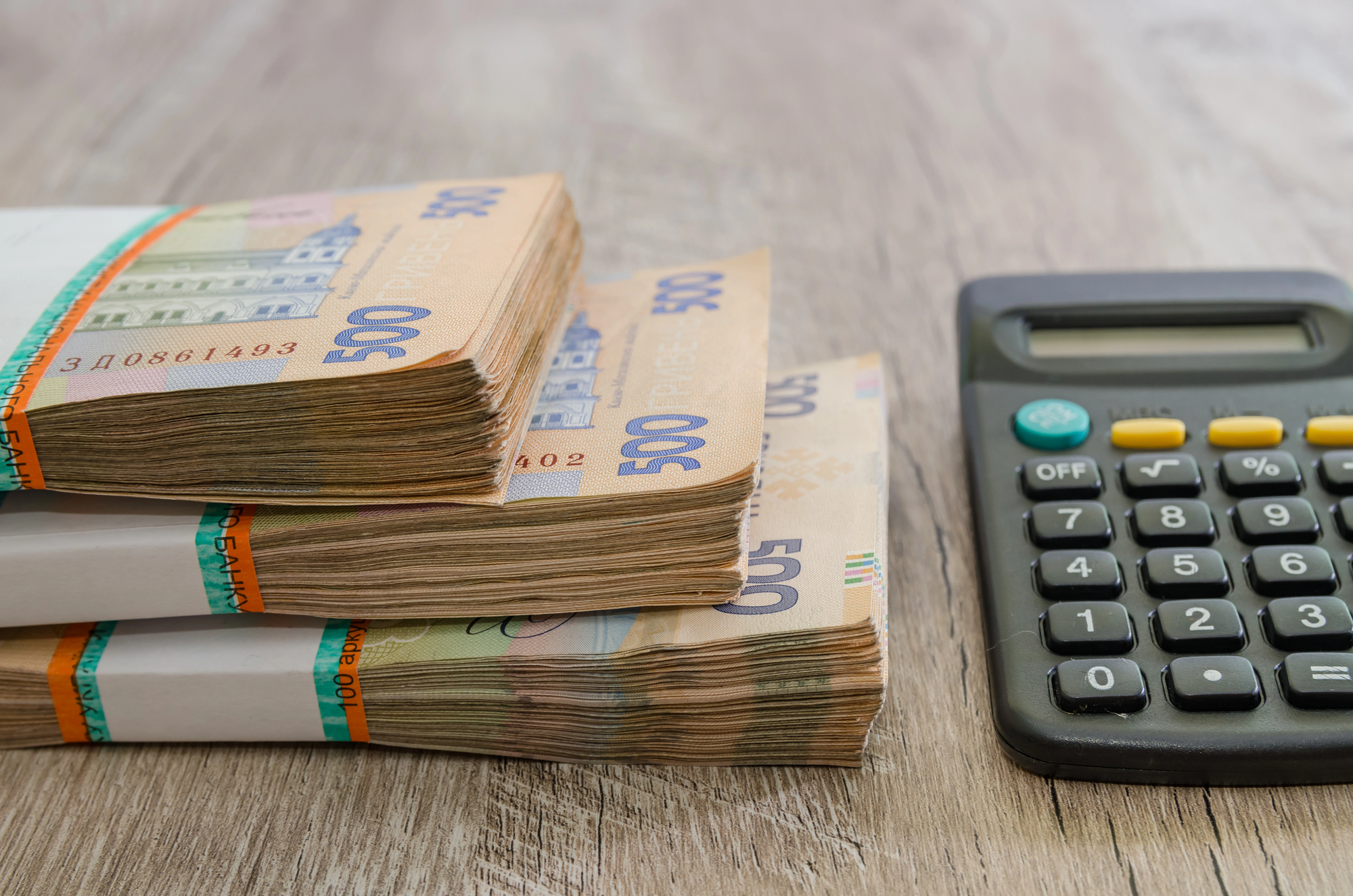
The National Bank of Ukraine set the official hryvnia exchange rate against the US dollar at 44.1636 UAH per $1, effective from March 13. This is a new historic low for the hryvnia: a year ago the rate was about 41.5 UAH, in October — 42 UAH, and in early January 2026 it crossed the 43 UAH mark.
The official exchange rate of the hryvnia is set at 44.1636 UAH per one US dollar, — the National Bank of Ukraine said in a statement.
— Press service of the National Bank of Ukraine
Why this happened
The reasons are a combination of internal and external factors. According to the NBU, in February the net demand for foreign currency fell significantly in both the non-cash and cash segments: net demand for cash dollars decreased to $0.5 billion (from $0.7–0.8 billion in October–January). At the same time, the National Bank reduced its net currency sales on the interbank market to $3.0 billion.
This was compounded by the euro's depreciation on global markets and a general correction of market participants' expectations. The NBU reflects these shifts in the official rate so that it more closely matches market conditions and reduces the need for sharp interventions.
What this means for you
Prices for imported goods and services may gradually rise — fuel, equipment, some medicines and components will become more expensive. This will affect inflationary pressure in the coming months.
Foreign-currency savings become more valuable in hryvnia terms: if you have dollar deposits or savings, their value in hryvnias has increased. Conversely, a cheaper hryvnia automatically raises exporters' competitiveness, as they receive more hryvnias for dollar receipts.
Bankers and analysts note that the NBU's current step is more an adjustment of the rate than a cause for panic. It is more important to watch future volumes of currency demand and the central bank's decisions on interventions and monetary policy.
Looking ahead
If demand for foreign currency remains low or export growth supports currency inflows, pressure on the hryvnia may ease. If import load or external shocks increase — the depreciation trend could accelerate.
Now the ball is in the NBU's and market participants' court: will they keep interventions at the current level, and how will demand for foreign currency change in March–April. This is the key to stabilizing the rate and containing inflation.
Further developments will depend on the numbers and decisions: the central bank's cautious policy and real economic activity will determine how sustainable this exchange rate will be.