IuteBank in Ukraine: foreign investor injects UAH 300 million and launches bridge bank
Iute Group has turned the insolvent RwS into IuteBank — the first case of attracting foreign capital during the war. Why this matters for depositors and what signal it sends to investors — succinctly and with context.

By Tetiana Suchkova-Ladik
March 16, 2026 · 2 min read
Briefly
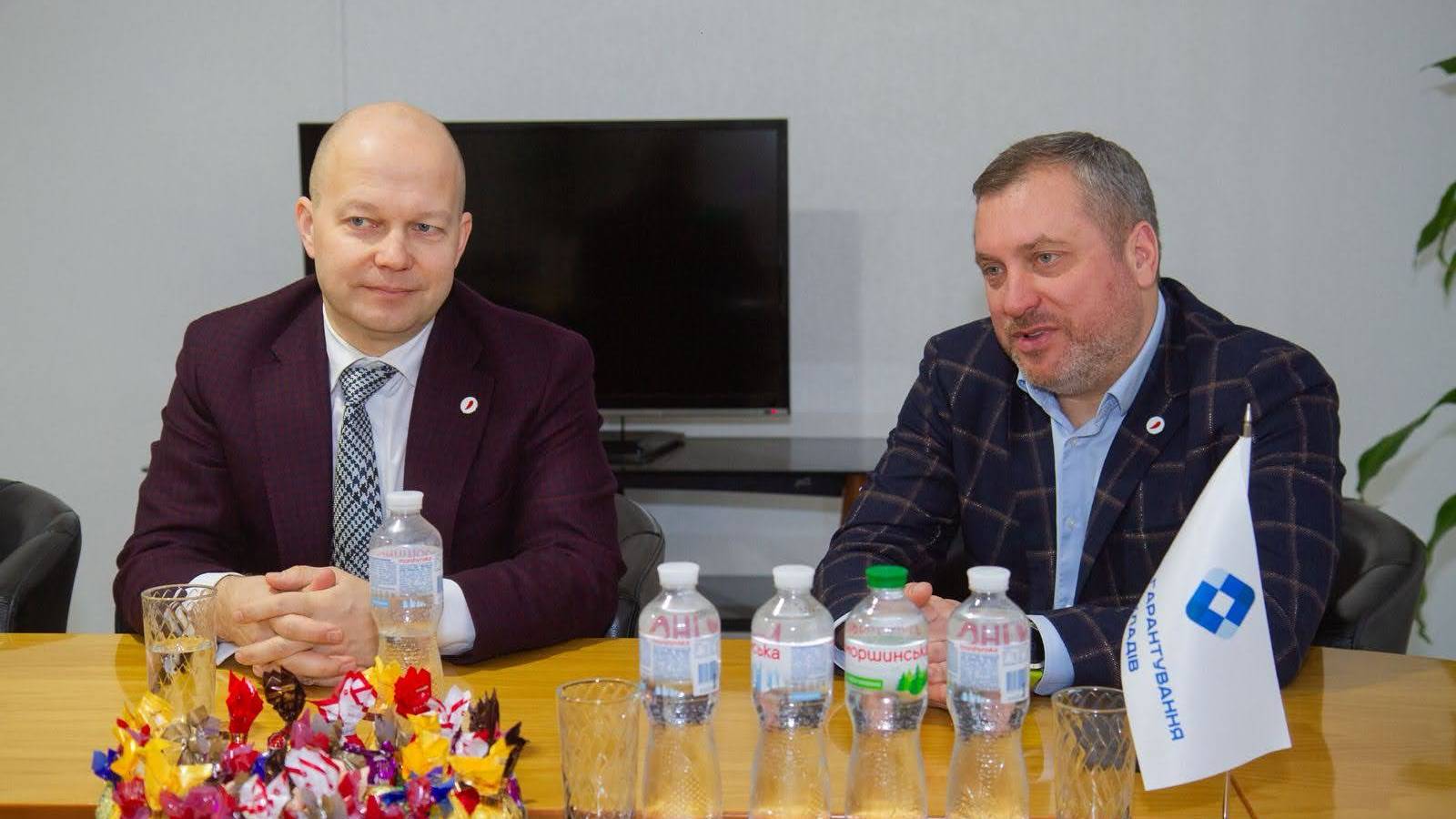
From 17 March the transitional bank "Iute", created on the basis of the insolvent RwS (RwS Bank), is operating under the brand IuteBank. The Deposit Guarantee Fund and the Iute Group press service reported the completion of the recapitalization carried out by Iute Group — nearly UAH 300 million. The NBU confirmed the bank's compliance with capital and liquidity requirements, after which the fund terminated the powers of its curator at the institution.
What this means for people
For clients this means the restoration of basic services: deposits, current accounts and instant payments will start operating under the new brand. In the longer term the bank plans to launch a mobile app and full digital banking — tentatively in early 2027. For depositors the main thing is: security of access to funds and restoration of service without the need for a lengthy transition between institutions.
Why this matters for the country
This is not just a restart of one player. Iute Group is the first foreign investor to enter the Ukrainian banking market under conditions of full-scale war. According to LIGA.net, the company had already planned its entry earlier; the conversion of RwS into IuteBank is the first case of creating a transitional bank with foreign capital involvement and the third case of resolving a banking problem during the war. Such a case serves two important functions: stabilizing local accounts and sending a signal to other investors.
"Iute Group's entry into the Ukrainian market is an expression of long-term confidence in Ukraine's future as part of the European economic space."
— Tarmo Sild, co-owner of Iute Group
Broader economic context
IuteGroup's move is reinforced by other actions from international banks: in March Credit Agricole announced plans to invest in Ukraine through the purchase of the bank "Lviv", and in February the Rada ratified an agreement that paves the way for the Polish BGK. These are not isolated signals but a constellation of events that indicate growing foreign interest in the Ukrainian financial market even during the war.
What’s next
Short-term: depositors regain access to services, the regulator sees an example of successful recapitalization, and the market receives a positive precedent. Medium-term: questions of competition, digital upgrading of services and trust in the system. The main question is whether this will turn into a systemic wave of investment in banks or remain an isolated case of confidence. The answer depends on how quickly investors see a repeatable model of success and how transparent subsequent transactions and transformations in the sector will be.
Background
Iute Group also operates in Estonia, Albania, Bulgaria, Moldova and North Macedonia. The ultimate beneficial owners of IuteBank are Estonian citizens Allar Niinepuu and Tarmo Sild. Sources: Iute Group press service, Deposit Guarantee Fund, LIGA.net publications, NBU statements.



