Cabinet launches interest-free loans of up to UAH 430,000 for IDPs — how to get aid and what will change
The state is launching a one-time financial support mechanism for internally displaced families. We explain the terms, the application process, and the key risks that will determine the program's effectiveness.

By Tetiana Suchkova-Ladik
February 12, 2026 · 3 min read
What it’s about
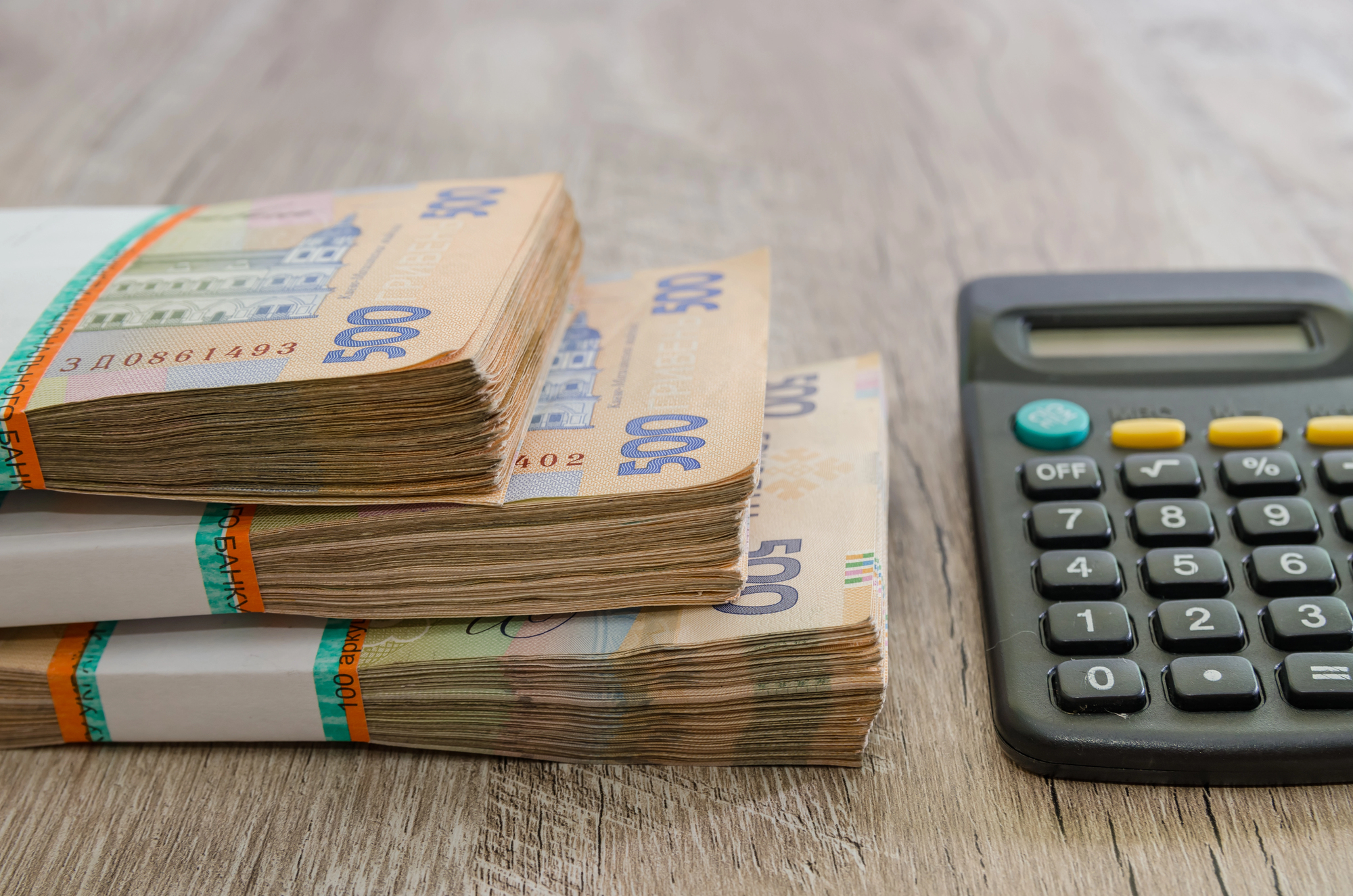
The Cabinet of Ministers is launching a mechanism of interest-free loans for internally displaced persons (IDPs) to help them set up at a new location. The decision was announced by Prime Minister Yuliia Svyrydenko. This is not a one‑time payment — the state will compensate banks for the interest, and the borrower will receive funds to purchase property, household items and equipment to ensure normal living conditions.
"The state's task is to help people return to normal life faster and ensure household stability for the family"
— Yuliia Svyrydenko, Prime Minister
Program terms
Key parameters announced by the government:
- Amount: up to 50 minimum wages per family (approximately up to UAH 430,000).
- Repayment term: up to 15 years.
- Interest: compensated by the state — for the borrower the loan is interest-free.
- Targeted use: property, household goods, equipment for adequate living conditions.
Who and how to apply
One adult member of the family must submit an application and a certificate of being recognized as affected to the local authority at the place of new residence after evacuation. After review of the documents, funds will be paid out by an authorized bank to be determined through a competitive selection.
The Ministry of Internal Affairs is expected to publish the detailed application procedure and the list of required documents shortly — this is the key document for practical implementation of the program.
Context: how this differs from previous initiatives
- In September 2025 the state for the first time compensated part of the costs of purchasing housing for IDPs under the affordable mortgage program "eOselya".
- From 1 December, IDPs with combatant status or with a disability resulting from the war can apply for a housing voucher worth UAH 2 million via Diia.
- Funding for the housing voucher program was planned to begin in February — this continues the overall trend of expanding financial instruments for displaced persons.
Why this matters and what could go wrong
This type of financial instrument reduces immediate pressure on family budgets and speeds up the restoration of household stability — thus strengthening the social resilience of communities. At the same time, the effect will depend on three factors:
- the speed of publication and clarity of the procedure by the Ministry of Internal Affairs;
- transparency of the competitive selection of banks and clear criteria for interest reimbursement;
- adequacy of the limit and controls over the targeted use of funds.
If these elements work — the program could become an effective tool for thousands of families. If not — the aid risks remaining a declaration without practical effect.
What to do now
Await official clarifications from the Ministry of Internal Affairs and contact local authorities at your new place of residence after evacuation. Organizations working with IDPs advise preparing a set of documents in advance: the certificate of being recognized as affected, an identity document and proof of the new residence address.
Conclusion
This is a step toward systemic support for displaced people: the state takes on the interest burden, and the instrument is aimed at restoring household life. But the real benefit for people will depend on implementation details — from the procedure for submitting documents to the transparency of the banks' selection. The next test for the program is how quickly and transparently practical instructions will appear and how fast the money will reach those who need it.