Compensation for farmers in frontline areas: up to UAH 4,700 per hectare and 100 modular grain elevators
The Cabinet of Ministers has updated the support mechanism for farmers in areas of potential and active hostilities — up to UAH 4,700 per hectare, with a limit of 2,000 hectares. This is a direct investment in preserving production and food security on the frontline.

By Tetiana Suchkova-Ladik
January 22, 2026 · 1 min read
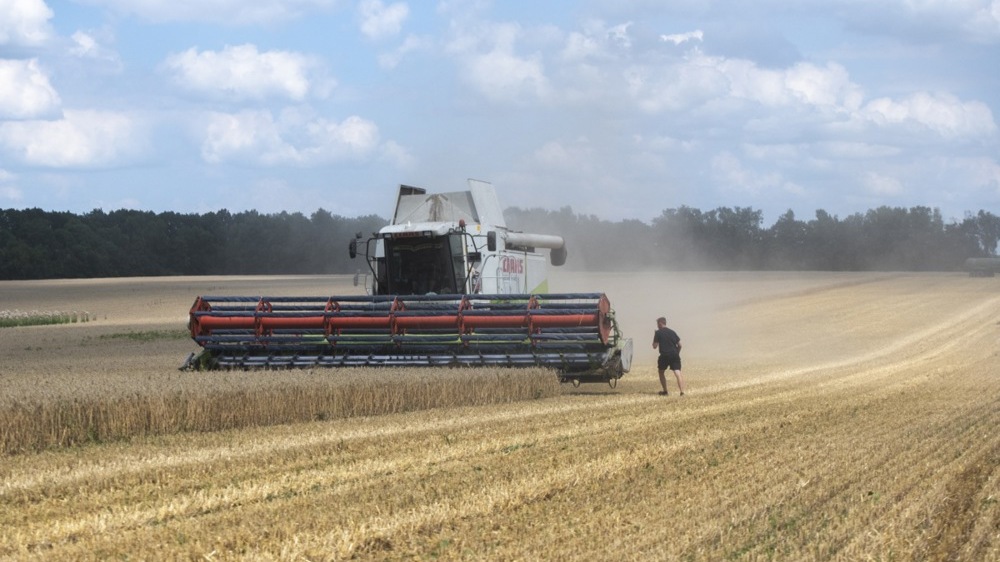
What the Cabinet approved
The Cabinet of Ministers announced improvements to the compensation mechanism for agricultural producers operating in areas of potential and active hostilities. The compensation amount is up to UAH 4,700 per hectare, and the maximum payout per farm is limited to 2,000 hectares. Those who suffered losses due to the war or adverse weather conditions are eligible for support.
“Farmers will be able to receive compensation of up to UAH 4,700 per hectare of damaged crops, but not for more than 2,000 hectares per farm. Targeted support will help farmers preserve production and continue operating under difficult conditions.”
— Yuliia Svyrydenko, Prime Minister
Logistics and infrastructure
Separately, the government is allocating 100 modular grain storage facilities with a capacity of up to 1,000 tonnes each. This is an operational solution for preserving the harvest where traditional infrastructure is damaged or inaccessible due to security risks.
Why this matters
This is not just a one-off payment — it is part of a strategy to preserve production in vulnerable regions. For the state and the market, it is important that farmers have an incentive to stay on the land, since crop losses on the frontline translate into risks for food security and logistics as a whole. Experts in the agricultural sector note that the effectiveness of the measure will depend on the speed of payments and the transparency of the mechanism.
What’s next
The key question is operational implementation: how quickly the state will identify those affected, provide payments and deliver the modular storage facilities. If the system operates swiftly and transparently, it will reduce the risk of harvest losses and support the stability of supplies from frontline regions.
In short: up to UAH 4,700/ha, up to 2,000 ha per farm, 100 modular grain elevators of 1,000 tonnes each — this is targeted support intended to help preserve agricultural production during the war. Now it is important that words be turned into swift and transparent action.