Corruption has become the second most significant threat to the financial sector — NBU
The National Bank of Ukraine's November 2025 survey showed that about a third of managers expect the sector's condition to worsen over the next six months; the main threat is the war, with corruption rising to second place.

By Oleg Bazylewicz
November 28, 2025 · 1 min read
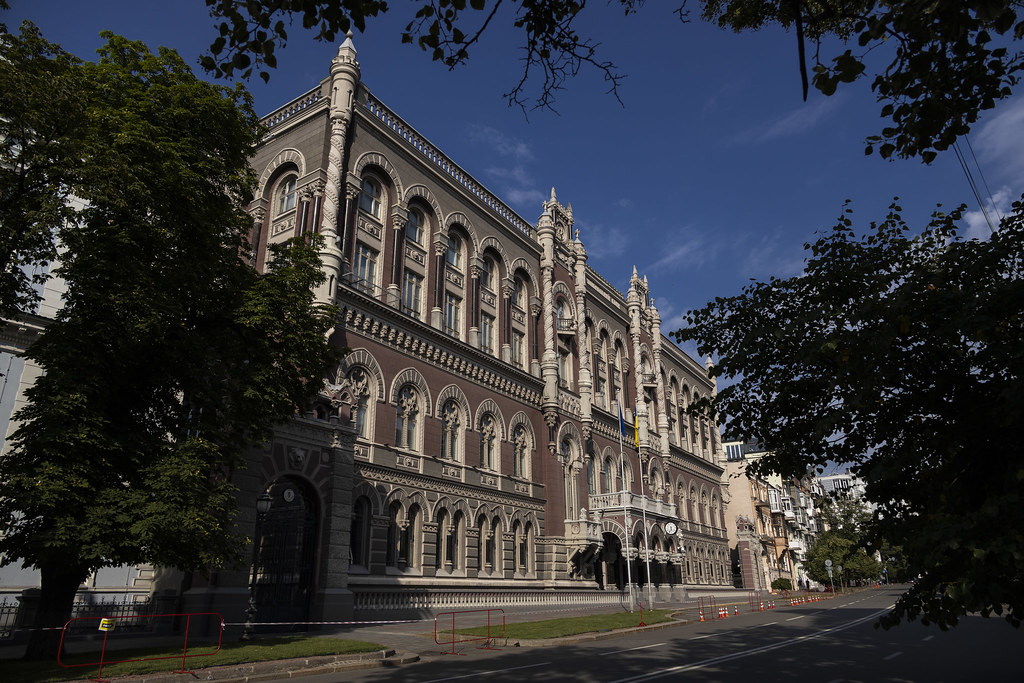
About 33% of the heads of the largest financial institutions predict a deterioration in the sector's condition over the next six months. According to the National Bank's November 2025 survey, corruption ranked second among risks, trailing only the war.
Assessment of the sector's condition
The balance of assessments has slightly deteriorated compared with previous periods and has approached the levels of 2024. Most respondents did not perceive changes in the financial sector's condition over the past six months and do not expect any in the next six months.
At the same time, the share of those predicting deterioration doubled — from 15% in May to 32% in November.
Risk assessment
Respondents assess the average level of risks as moderately high, and the sector's ability to withstand negative shocks as medium or high. None of the respondents rated resilience as "very high", while for the first time since 2022 some respondents indicated a "very low" ability to withstand significant adverse events.
Main threats and appetite
The most significant systemic risk remains the war with Russia. At the same time, the overall level of corruption has risen noticeably in the threat ranking and came in second. Issues related to the performance of law enforcement agencies and the judicial system also entered the top three key risks.
Over 60% of executives reported that their risk appetite has not changed over the past six months, while about a quarter indicated it had increased.
- In May, the heads of large banks and non-bank institutions assessed the condition of the Ukrainian financial sector more positively — the highest figures since 2021.