Crédit Agricole buys Bank Lviv: strategic bet on the West and agribusiness
A French group has confirmed signing an agreement to acquire up to 100% of the shares of Bank Lviv. This is not just a purchase — it is a vote of confidence in the Ukrainian economy and a strengthening of financial support for SMEs and the agricultural sector in western Ukraine.

By Tetiana Suchkova-Ladik
March 11, 2026 · 2 min read
What happened and why it matters
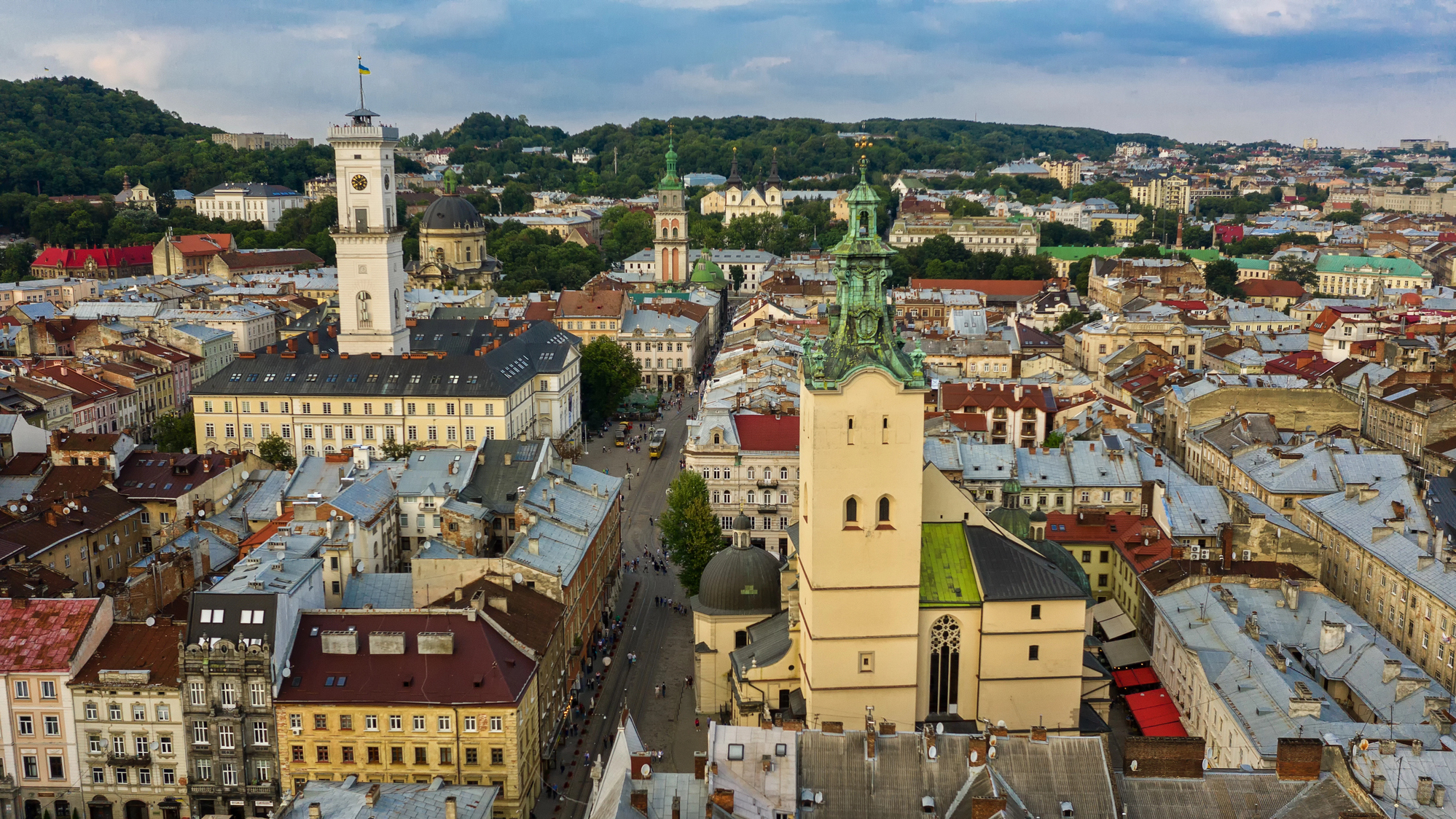
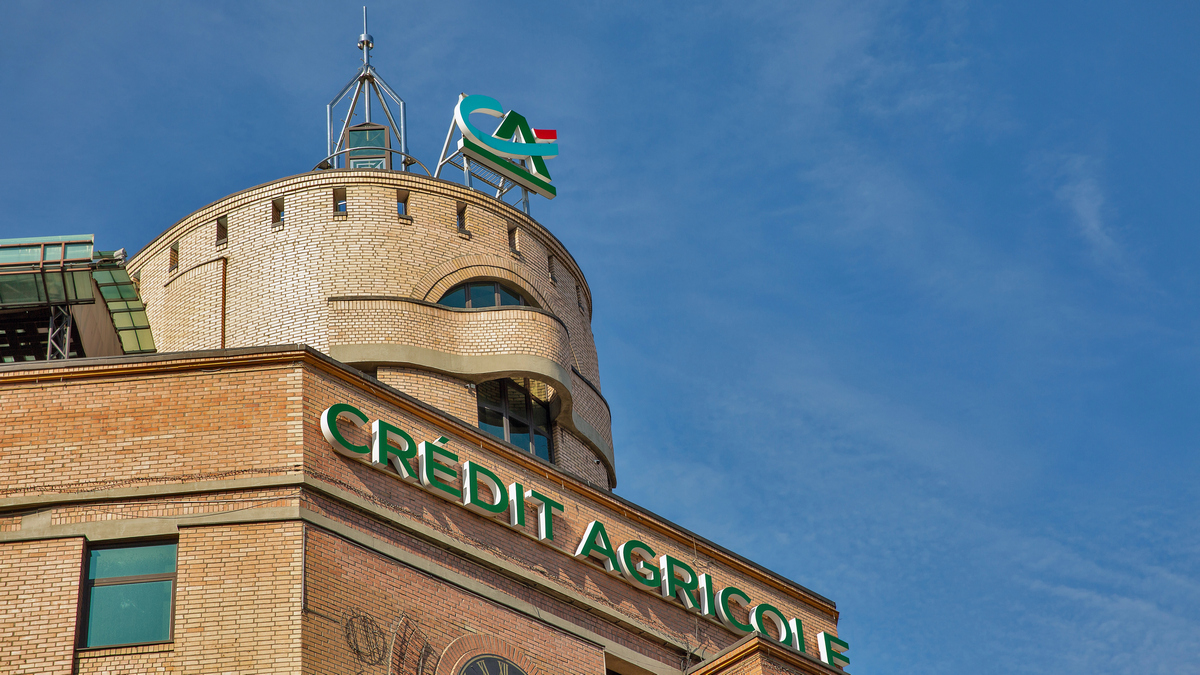
The press service of Crédit Agricole reported the signing of an agreement to acquire up to 100% of the shares of Bank Lviv — an institution focused on small and medium-sized businesses and the agricultural sector, headquartered in Lviv. Deals of this scale during and after the war carry a double meaning: they are both a business milestone and a political signal of international confidence.
What is being bought and who stands behind Bank Lviv
Bank Lviv serves more than 37,000 retail clients and around 8,400 SME clients, among them agricultural enterprises. The bank currently has about two dozen beneficiaries: the largest are Icelandic citizen Margeir Petursson (27.93%), the Government of Germany (7.91%) and several Western pension funds. The transaction envisages checks and approvals from the National Bank of Ukraine and the Antimonopoly Committee before completion.
"The acquisition will strengthen Crédit Agricole's presence in western Ukraine and expand work with SMEs and the agricultural sector."
— press service of Crédit Agricole
Why this matters for Ukraine: analysis of consequences
This is not a simple merger — it is an investment vote of confidence. A foreign bank that has been present in Ukraine since 2004 is investing in local infrastructure and a customer base. For businesses in the west, this means potentially better access to financing; for the agricultural sector, it means products adapted to seasonality and risk. Moreover, the presence of a stable international player increases the resilience of the regional market in the conditions of a wartime economy.
"Foreign deals in the banking sector during the war are a marker of confidence that the state can turn into real lending resources for recovery."
— banking analyst (comment generalized)
When the deal will become final and what comes next
The deal is expected to be completed by mid-2026 — after obtaining all necessary approvals from the NBU and the Antimonopoly Committee. After that, the key issue will not be declarations but implementation: whether they will increase lending to SMEs, adapt products for farmers, and how quickly investments will begin to take effect in the region.
Crédit Agricole has a long history in Ukraine: the banking group's presence began in 2004, and today its network counts about 137 branches and serves approximately 380,000 clients. Therefore the deal is both a consolidation of experience and a new opportunity for Ukraine's financial system.
Now the ball is in the regulators' court and the management of the new owner: will this strategic purchase turn into real loans and services for those who will rebuild the country — local entrepreneurs and farmers?