Christine Lagarde: the EU's latest reparations proposal is in line with the law
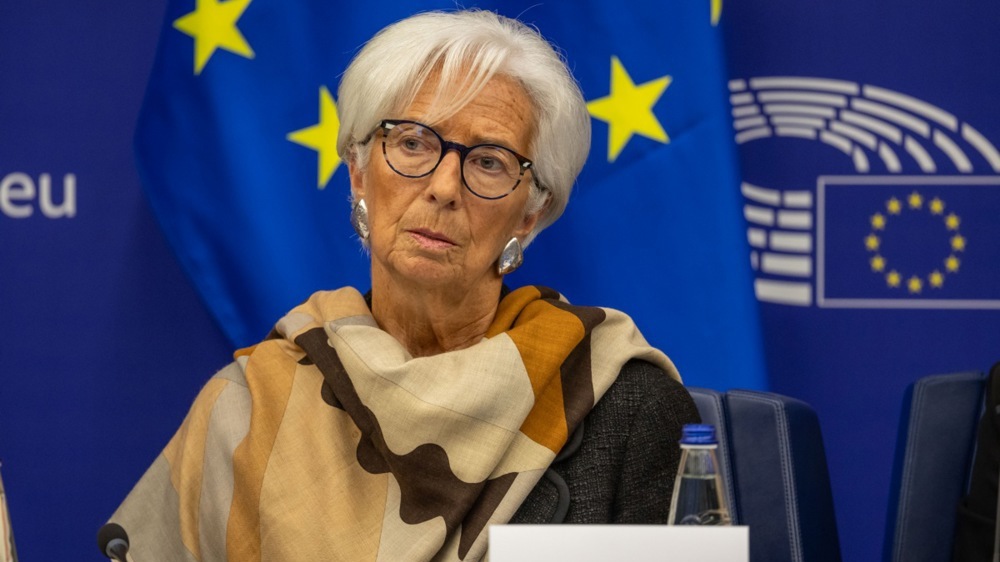
ECB President Christine Lagarde described the latest version of the European proposal for financial support to Ukraine as best aligned with international law and urged Europeans to continue their support. She stressed the initiative's legal exclusivity.

By Tetiana Suchkova-Ladik
December 10, 2025 · 1 min read
Lagarde's assessment
Christine Lagarde said the latest version of the EU plan for financial support to Ukraine is the closest to compliance with international law.
"closest to the principles of international law"
– Christine Lagarde, President of the European Central Bank
She added that Europeans must continue to support, defend and act in the interest of Ukraine.
Legal remarks
According to her, the proposed mechanism is highly exceptional and does not strip Russia of ownership rights to the frozen assets.
"does not deprive Russia of ownership rights"
– Christine Lagarde, President of the European Central Bank
Lagarde has repeatedly opposed confiscating those assets; on October 6 she emphasized that the reparations loan must be legally flawless.
"legally flawless"
– Christine Lagarde, President of the European Central Bank
Current status of the initiative
Most European leaders support the idea of using roughly €210 billion of frozen Russian assets, but implementation may require certain guarantees from Belgium, where a significant portion of the funds is concentrated. On December 3 the European Commission clarified why the proposed mechanism is not a confiscation.
- The idea of a reparations loan secured by frozen Russian assets was put forward on September 10.
- Later estimates spoke of assistance of several tens of billions of euros — roughly up to €140 billion.
- Belgium blocked the decision to approve the reparations loan mechanism for Ukraine.