China cancels tariffs for almost all of Africa — what it changes and why it matters for Ukraine
Beijing announced zero import tariffs from 1 May 2026 for all African countries except Eswatini. We analyze Beijing’s motivations, the risks for global trade, and the consequences for Ukrainian exports.

By Tetiana Suchkova-Ladik
February 16, 2026 · 2 min read
What Beijing Announced
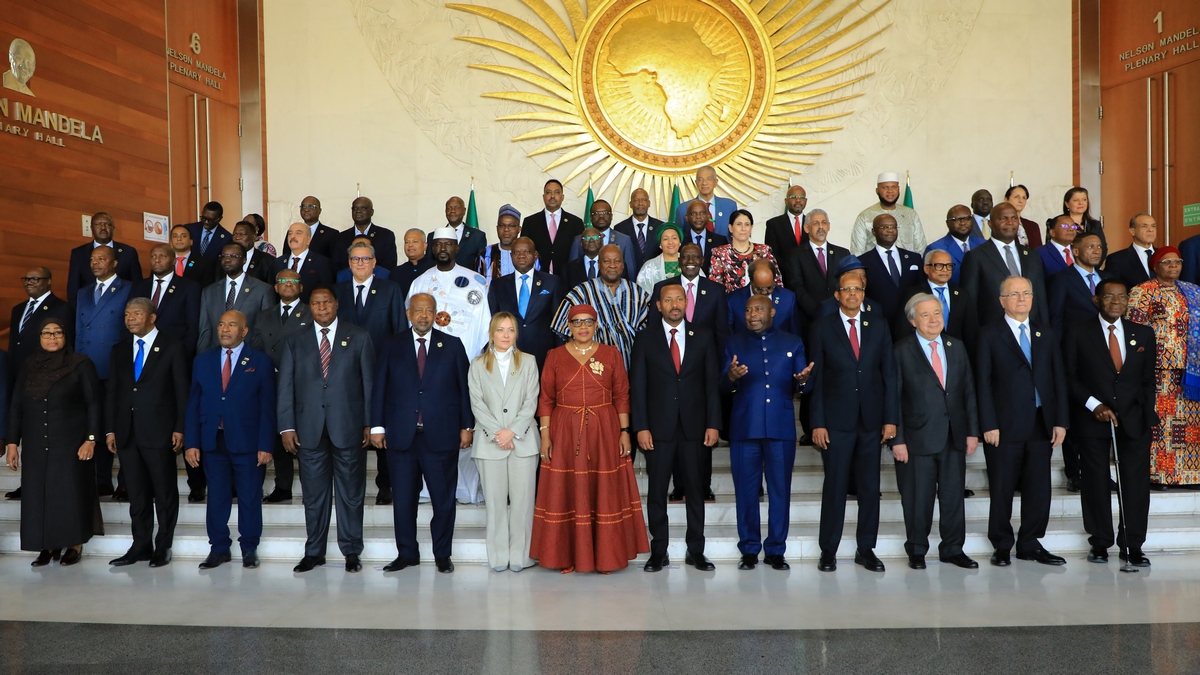
Chinese state media reported: from May 1, 2026, China will remove import tariffs for almost the entire African continent — the only exception is Eswatini, which maintains diplomatic ties with Taiwan. Previously the zero-tariff regime applied to 33 African countries; now, according to Beijing, it is being extended to virtually the whole continent. Trade between the PRC and Africa at the beginning of 2025 amounted to about $222 billion.
"The zero-tariff agreement will open new opportunities for Africa's development"
— Xi Jinping, President of the PRC (according to Chinese state media)
Why it matters
This decision is not only about cheaper goods. It functions as an economic instrument of geopolitics: by lowering barriers, Beijing strengthens trade and investment ties, consolidates influence in the region, and offers African countries an alternative to Western terms of cooperation. Such a move reinforces the logic of initiatives like the "Belt and Road" and increases China's attractiveness as a partner in major infrastructure projects.
Against this background it is worth noting: analysts, including those from the Kiel Institute for the World Economy, emphasize that trade restrictions in the form of high tariffs (for example, that part of the previous U.S. administration's policy) have complex spillovers — part of the burden falls on consumers and importers. In this context, Beijing's duty-free regime appears as an instrument that changes the rules of the game for regional markets.
Implications for Ukraine
The direct effect for Ukraine will depend on the commodity composition of demand in each African country. There are three key vectors to distinguish:
1) Competition in agricultural markets. China's policy may increase African consumers' access to cheaper goods and intermediate inputs, which will raise competitive pressure on third-party export positions. For Ukrainian agricultural exports, this means the need to shift strategy — focus on quality, logistics and bilateral agreements instead of price competition alone.
2) Investment and infrastructure. Increased Chinese investment in ports, roads and logistics complicates access for European and Ukrainian goods to regional markets if partnership projects are not established. At the same time, opportunities are growing for Ukrainian companies in technology, IT services and civil-military cooperation, if Kyiv more actively offers competitive solutions.
3) The political geography of influence. Beijing is strengthening ties in Africa at a time when some capitals are moving away from traditional Western influence. For Ukraine this is a signal: diplomacy must work alongside export policy — trade missions, preferential agreements, and support for logistics chains — so as not to lose potential markets.
Brief conclusion
China's expansion of zero tariffs is a strategic step with economic and political consequences. It opens opportunities for African economies but at the same time alters the balance of competition in global markets. For Ukraine, it is first and foremost a challenge of adaptation: market diversification, improving product quality, active diplomacy and work on logistics — these are the practical responses to the new rules of the game. Now the question is for our partners: will they turn declarations of cooperation into real contracts and routes for Ukrainian goods?