China Lowers Tariffs on European Cheeses: What It Means for the Ukrainian Market
Beijing has revised the final tariffs on imports of dairy products from the EU — lower than expected. Why this matters for prices, supplies and the prospects of Ukrainian producers.

By Tetiana Suchkova-Ladik
February 12, 2026 · 3 min read
Money loves silence: Beijing's decision sends an important signal
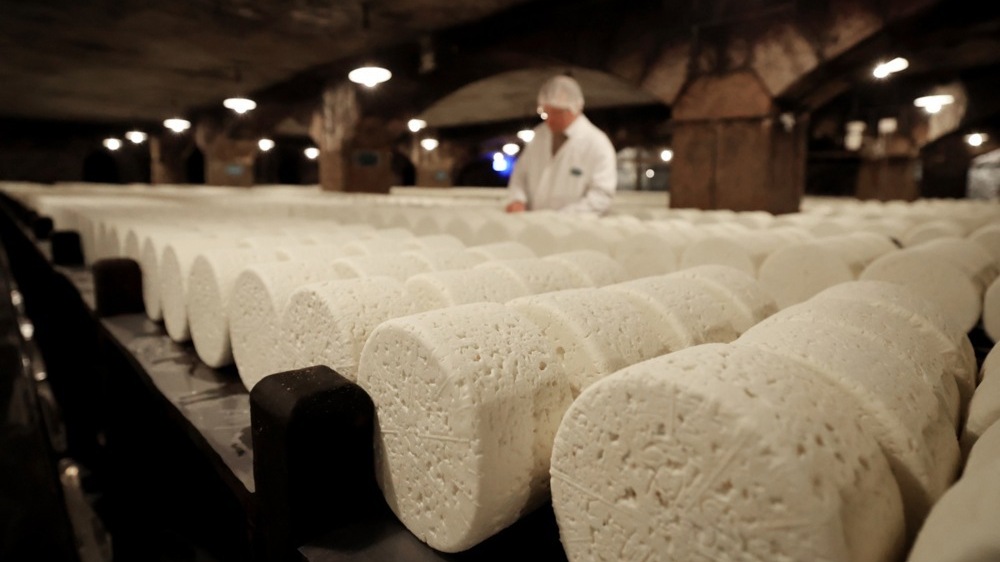
China's Ministry of Commerce announced that final import duties on a number of dairy products from the EU have been set significantly lower than those previously announced in December 2025. Rates in the range of 7.4%–11.7% will take effect on February 13. The decision concerns fresh, cultured and processed cheeses, blue cheeses, as well as milk and cream with a fat content above 10%.
What Beijing decided and why
An investigation launched in 2024 concluded that supplies of European dairy products had been accompanied by subsidies which, in the Chinese view, harmed the domestic sector. As a result, Beijing imposed countervailing duties that are set for specific exporters and calculated as a percentage of the customs value. The official decision appears to be an attempt to combine elements of protecting the domestic market with the need to maintain imports of necessary goods.
Context for the EU: from sharp rates to compromise
In the December draft, duties ranged from 21.9% (for certain Italian suppliers) to 42.7% (for certain Dutch exporters). The final rates are much milder — a relief for European brands, some of which have already lost volumes: according to Bloomberg, in 2025 China was the ninth-largest market for EU cheese exports — about 20,765 tonnes, roughly 12% less than a year earlier.
"Although the final duties are lower, access to the Chinese market remains a problem."
— Teis Geyer, senior food and agricultural economist, ING
What this means for Ukraine
The consequences for the Ukrainian market are twofold. On one hand, softer tariffs make the EU more competitive in China, but they do not directly affect Ukrainian exports to China — the measures apply to goods from the EU. On the other hand, changes in global cheese and milk markets influence prices and flows of goods, which the domestic Ukrainian market feels as well.
In 2025 the share of imported products on the Ukrainian market rose from 38% to 45% and continues to grow. At the same time, local dairies increased production of fresh dairy products, although butter production remained loss-making (source: Infagro).
"The export of European cheese and creams to China faces a very competitive market from countries that have free trade agreements."
— Alexander Anton, secretary general, Euromilk
Ukraine's position: challenges and opportunities
Challenges. The growing share of imports means pressure on prices and the need to modernize supply chains. Competition from products that enjoy better access to certain markets requires Ukrainian producers to focus on cost-efficiency and quality.
Opportunities. Moderate global tariffs and rising demand for fresh dairy products open niches — especially in segments where Ukrainian companies can offer better prices or faster logistics on the domestic market. This is a chance for exporters and for reallocating market share in favor of national producers, provided there is adequate government support and investment in competitiveness.
What next?
China's decision is a balance between protectionism and the need for imports. For Ukrainian consumers and producers it is important to watch market reactions: whether this will affect prices, accelerate logistical changes, or intensify competition in the fresh products segment. Economic signals are already present — from now on it depends on how quickly businesses and the state can respond to them.
Summary: the easing of duties in China is neither a triumph for European exporters nor a catastrophe for the Ukrainian industry, but a prompt to assess competitive advantages and response strategies. Whether Ukrainian producers will take advantage of this market pause is a question whose answer will shape the sector's near future.