"Migration officer and deputy in one person: wife's 900 sq. m property — and empty declaration"
# Khmelnytsky SBU Official Fails to Declare Wife's Property Worth 13.7 Million Hryvnia An employee of the Khmelnytsky State Migration Service who simultaneously served on a village council submitted a 2024 declaration but failed to include his wife's real estate valued at 13.7 million hryvnia. The State Bureau of Investigation claims he understood the property did not match the couple's financial means.

By Tetiana Suchkova-Ladik
May 11, 2026 · 2 min read

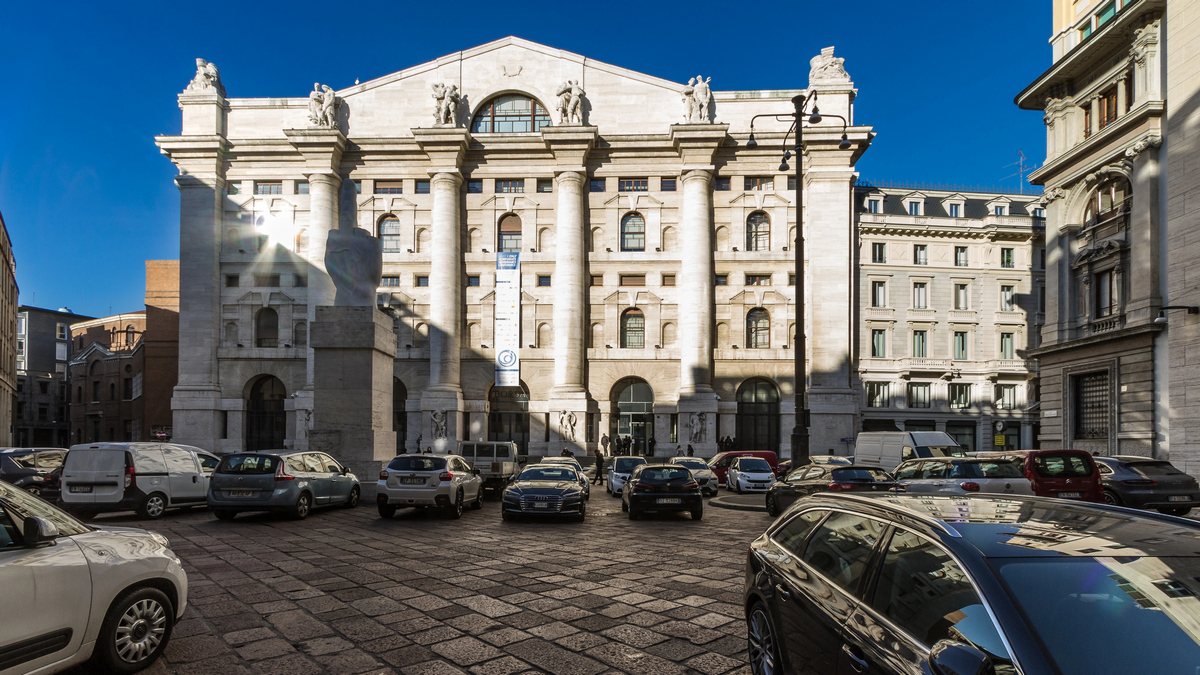
In autumn 2023, the wife of an official from the Khmelnytsky branch of the State Migration Service became the owner of a complex covering more than 900 square meters in the village of Chornyi Ostriv — a store, cafe, offices, and a residential apartment. When it came time to submit the annual declaration for 2024, this object did not appear in it.
The DBR reported suspicion against the official — he simultaneously held a position in the DMS and was a deputy of the Chornyi Ostriv village council. Both roles obligate him to file declarations.
"When filling out the declaration, the official decided to conceal this value, as he understood that it did not correspond to the actual income and general assets of the couple."
— DBR, official statement
How it works: wife as a legal buffer
The scheme is not new. Property is registered in the name of a family member, and the declarant "forgets" to list it. However, the law requires reporting the assets of family members — regardless of whose name they are registered under. The square meters were put into operation and officially valued at 13.7 million hrn — a figure that should have appeared in the declaration automatically.
The official signed the declaration with a qualified electronic signature through the NAPC website — thus certifying its authenticity personally and fully consciously.
Khmelnytsky region is not an exception
According to the NAPC, only in June 2025 the agency identified violations in declarations involving almost 243 million hrn. In August, it became known that the case of another former DMS official was sent to court — for false declaration of over 83 million hrn. The picture is systemic: the migration service, with its access to documents and close ties to real estate, regularly finds itself at the center of such cases.
- Pre-trial investigation is being conducted by the Territorial Office of the DBR in Khmelnytsky.
- Operational support — the operational department of the same office.
- Suspicion has been reported; the case has not yet been referred to court.
What's next
Suspicion is a beginning, not a verdict. The key question now is whether the investigation will establish the source of funds for the purchase or construction of the complex. If it turns out that 13.7 million hrn cannot be explained by any legal income of the couple — the case will move to a different legal arena, where it will be about unjustified assets rather than declaration violations. This is what distinguishes formal proceedings from real anti-corruption results.