Orban's Ministers Donate Weekend Allowances to Orphanage in Transcarpathia — Choice of Recipient Not Random
# Government Members Forgo Legal Payments in Favor of Children's Home Members of the outgoing government—from Gergey Guyash to János Bóka—have renounced their lawful payments in favor of a children's home in Velyka Dobrana. Behind this gesture lies a specific Hungarian community in Ukraine and the first signals of new Budapest diplomacy.

By Tetiana Suchkova-Ladik
May 15, 2026 · 2 min read
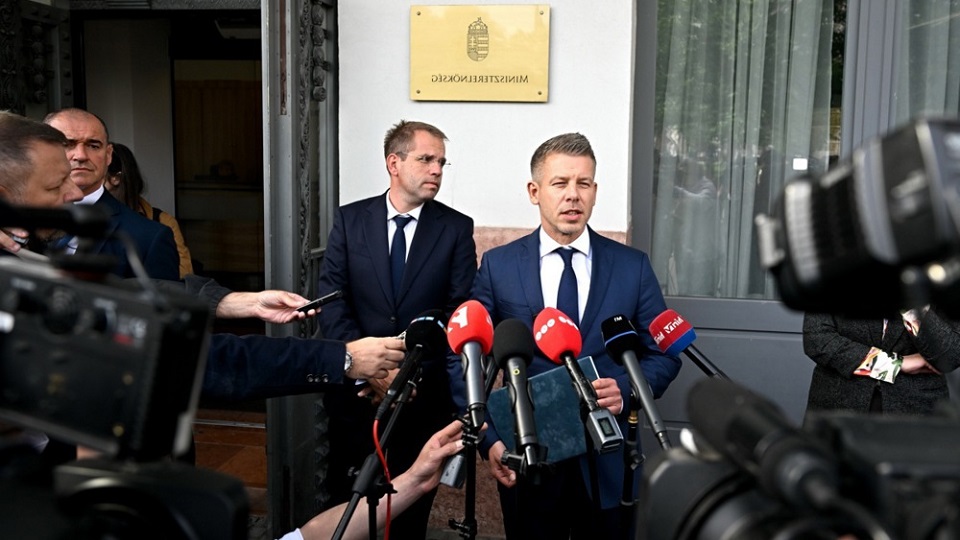
When Hungary's new prime minister Peter Szijjártó left the hall after the handover ceremony, his predecessors had already announced where their severance payments would go. The choice of destination is not accidental.
What the ministers decided
Fidesz faction leader Gergely Gulyás announced at a press conference during the power transfer that members of Orbán's government — including himself, Tibor Navracsics, Csaba Lantos, and János Bóka — would renounce their legal severance payments and transfer them to a children's home in Velyka Dobron (Nagydobrony) in Transcarpathia. According to Gulyás, the decision was collective: "Members of the government will not accept severance assistance."
Hungarian law provides for payments to ministers and their deputies proportional to their time in office. According to TVP World, former Prime Minister Orbán could have received over 100,000 euros — however, neither confirmation of his personal participation in the initiative nor a public refusal has been announced.
Why Velyka Dobron specifically
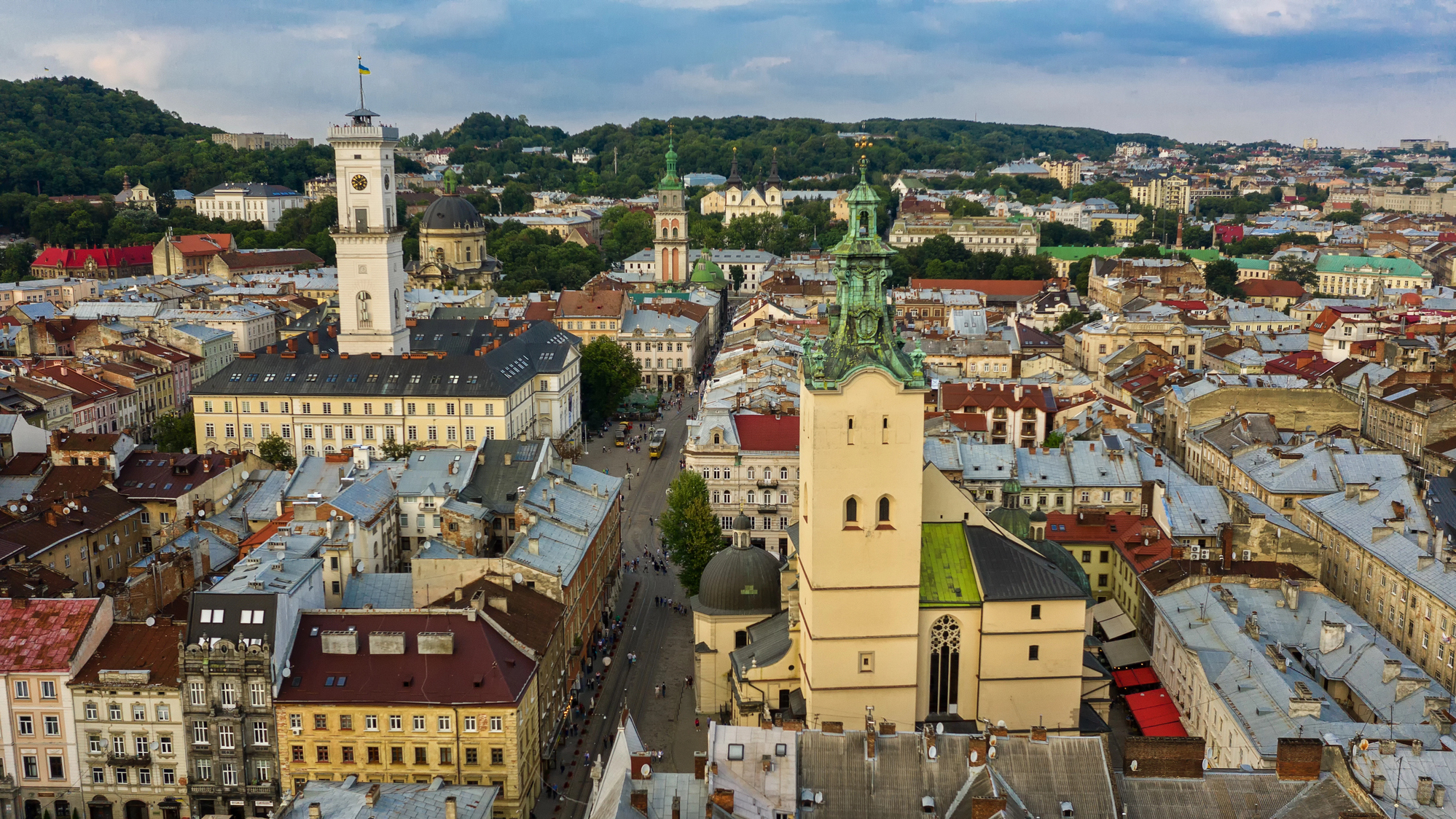
Velyka Dobron is a village in Transcarpathia with a predominantly Hungarian-speaking population. The local children's home has long received financial support from Hungary — this is part of a broader system of support for the Hungarian diaspora that Budapest has been building for years. The choice of this particular institution fits the logic: the gesture appears humanitarian, but is addressed to their own community abroad.
This is also the first symbolic signal from Madár's government regarding Ukraine — not through statements about NATO or sanctions, but through a concrete money transfer to Ukrainian territory. According to Hungary Today, the decision was announced as part of the power transfer process — that is, a joint gesture by both camps simultaneously.
"Members of the government decided to donate the severance assistance, to which they are entitled by law, to a children's home in Velyka Dobron in Transcarpathia."
Gergely Gulyás, leader of the Fidesz parliamentary faction, at the power transfer press conference
Context of the power transition
On May 9, 2025, Hungary's newly elected parliament elected Peter Szijjártó as prime minister — 140 votes in favor, 54 against. One of the first decisions of new speaker Ágnes Forth-Höffer was to return the EU flag to the parliament building. This gesture — like the decision on severance payments — is more about symbolism than money.
- Madár publicly stated the need to expand the rights of the Hungarian minority in Ukraine — that is, Transcarpathia remains a sensitive issue for him as well.
- The new Hungarian government declares a course toward restoring relations with the EU and unblocking frozen financial aid.
- Meanwhile, only 12% of Tisza party supporters back the Armed Forces of Ukraine — according to sociological surveys.
Gulyás separately thanked civil servants during the press conference for the "smooth transfer of power" and emphasized that "defeat must also be accepted with dignity." This does not sound like repentance — rather like a rehearsal for a return.
If Madár truly expects a warming with Kyiv, the real indicator will not be the children's home in Velyka Dobron, but whether Budapest supports the next EU sanctions package against Russia — and on what timeline.