Ukraine's Ministry of Defense allows Armed Forces units to buy drone components from the general fund — how this will affect the front
From January 1, units of the Armed Forces of Ukraine will be allowed to spend funds from the general fund on drone parts and upgrades. We explain why this is not just a budgetary issue, but a matter of operational advantage and transparency.

By Tetiana Suchkova-Ladik
December 30, 2025 · 2 min read
In brief
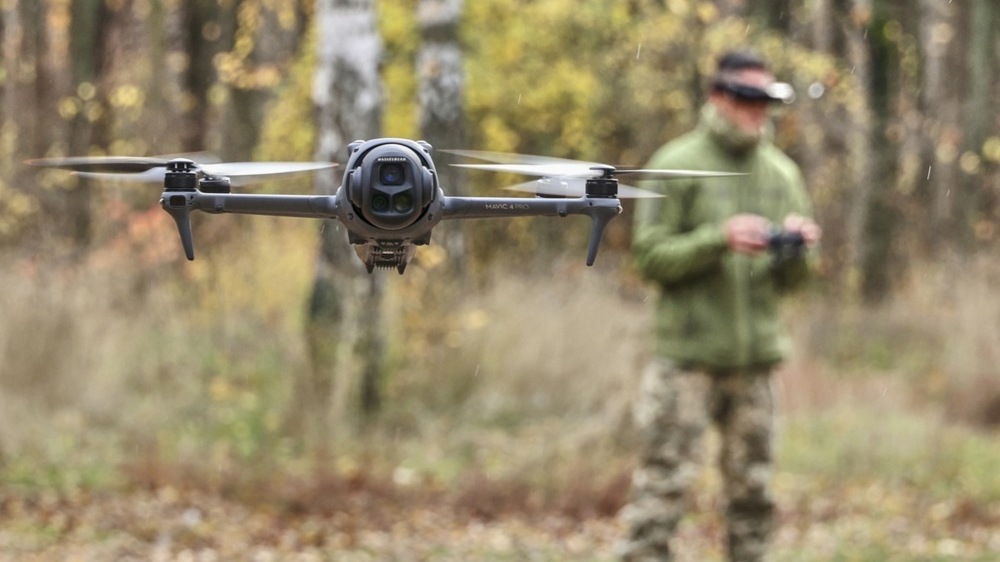
The Ministry of Defence announced that from January 1 units of the Armed Forces will be able to purchase components for unmanned systems using funds from the general fund. Previously, such purchases could only be made from the special fund, which limited the speed and flexibility of supplies.
"From January 1 we are expanding the capabilities of the Ukrainian military for the development of unmanned systems. Military units will be able to purchase components for drones with funds from the general fund. Thanks to the additional resource, the soldiers will be able to quickly outfit and adapt drones to specific tasks"
— Press Service of the Ministry of Defence of Ukraine
Why this matters
The decision is not a technical formality but a tool of operational logistics. When components can be paid for from the general fund, a unit gains faster access to spare parts, boards and sensors that often determine flight performance or targeting. This reduces equipment downtime and allows UAVs to be swiftly adapted to specific combat missions.
Previously, the restriction led to situations where funds were available but could not be used for small yet critical parts due to financing rules. By changing these rules, the state reduces bureaucratic delays that directly affect combat readiness.
Funding and digital transformation
The statement also noted that in the first quarter of 2026 it is planned to allocate UAH 12 billion for equipment orders via the DOT‑Chain Defence marketplace. Deputy Minister of Defence Ivan Havryliuk reported that about 70% of drone procurements in 2026 are planned to be conducted through the digital platform.
"Seventy percent of drone procurements in 2026 are planned to be conducted through the DOT Chain Defence digital platform"
— Ivan Havryliuk, Deputy Minister of Defence
Digital platforms can speed up tenders and provide a transparent transaction trail — provided there is proper auditing and cyber protection. The combination of greater financial flexibility and digital tools creates the potential for rapid scaling of procurements and standardization of components.
Risks and what needs to be monitored
The advantages are clear, but there are risks: broader freedom in the use of funds must be accompanied by clear reporting procedures, quality control of components and cyber hygiene of supplier platforms. Without adequate transparency, the risk of abuse or delivery of substandard parts increases.
Conclusion
Changing the rules on funds is a step toward more operational, adaptive logistics for UAVs. For the front, this means less downtime and faster equipment updates; for the state, it means a need for effective control tools and digital audit. The key now is to turn declarations into tangible results on the battlefield and ensure that the additional resources work to our advantage.