Trump Coin Defies Rule: Legal Loophole and Consequences for Trust in Institutions
The Federal Arts Commission approved the design of a 24‑karat gold coin featuring Donald Trump for the United States' 250th anniversary. It's not just a collectible: the decision sets a precedent that calls into question rules on depicting living presidents and shows how political appointments are changing institutional norms.

By Tetiana Suchkova-Ladik
March 20, 2026 · 2 min read
What happened
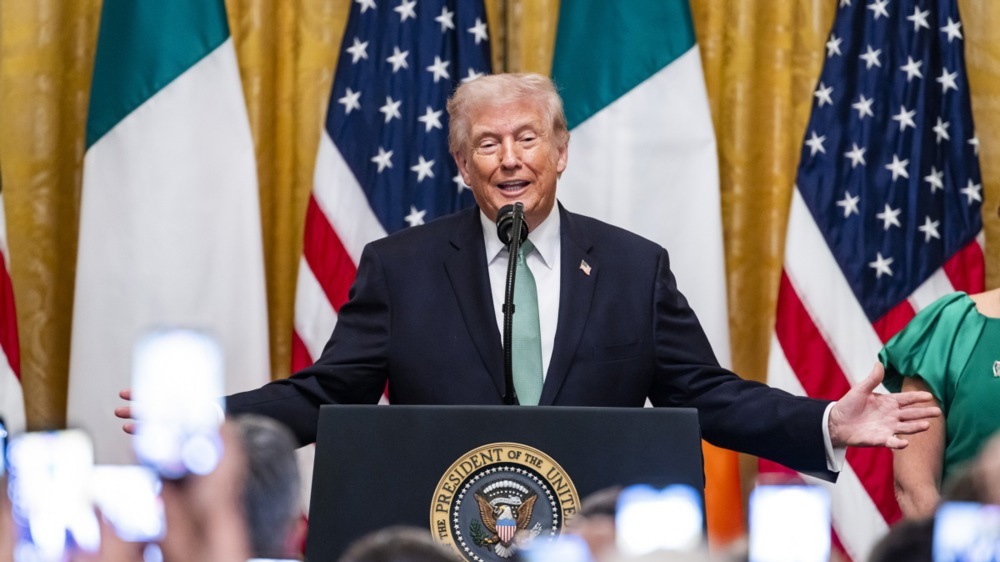
The U.S. Commission of Fine Arts has given final approval to the design of a commemorative 24‑karat gold coin featuring Donald Trump, dedicated to the 250th anniversary of the United States on July 4, the Associated Press reports. The obverse features a portrait of Trump in a suit and tie; above it appear the word "Liberty", the dates 1776–2026, "In God We Trust" and groups of stars. The reverse depicts a bald eagle in flight.
Members of the commission, most of whom were appointed by Trump, voted without objection. That clears the way for the U.S. Mint to produce the coin: the exact size, denomination and mintage are still being discussed, but official statements stress the release will be "very limited."
How they circumvented the ban
Federal law prohibits images of sitting presidents on currency. At the same time, Megan Sullivan, acting head of the Mint’s Office of Design, explained that the Secretary of the Treasury has the authority to permit the striking and issuance of new 24‑karat coins. According to AP, it was Scott Bessent who used these powers to place the president’s image on the coin.
"The Secretary of the Treasury has the authority to permit the striking and issuance of new 24‑karat gold coins."
— Megan Sullivan, acting head of the U.S. Mint’s Office of Design (quote via Associated Press)
Why it matters
This decision goes beyond souvenir policy. It demonstrates how political appointments can change traditions and norms that govern state symbols. Analysts warn that such precedents could weaken trust in institutions, turning national attributes into instruments of political branding.
It is also a question of the economy of symbols: the limited mintage and heavy weight of the coin make it both a collectible and a commercial product, raising additional ethical and legal questions.
What’s next
Possible next steps include congressional oversight, legislative initiatives and public reaction. For Ukraine this story has practical significance: protecting democratic norms and institutional independence are factors that affect the stability of international support. When norms are weakened among partners, the risk of politicizing symbols increases, which can have repercussions in diplomatic relations.
Whether the issuance of this coin will be a one‑time exception or the start of a new practice depends on the response of institutions, legal review and public discourse.