IMF warns: parliamentary paralysis jeopardizes tranches and the budget
Delaying the adoption of key reforms until the end of March could derail the IMF's $8.1 billion program and force the NBU to resort to risky lending to the budget. We examine what exactly is at stake and why this matters for economic resilience and defense.

By Tetiana Suchkova-Ladik
March 17, 2026 · 2 min read
Briefly
Bloomberg reports that the International Monetary Fund is concerned about the situation in the Verkhovna Rada: legislative paralysis is hindering the timely adoption of a series of reforms, without which subsequent disbursements under the extended financing program are at risk.
What happened
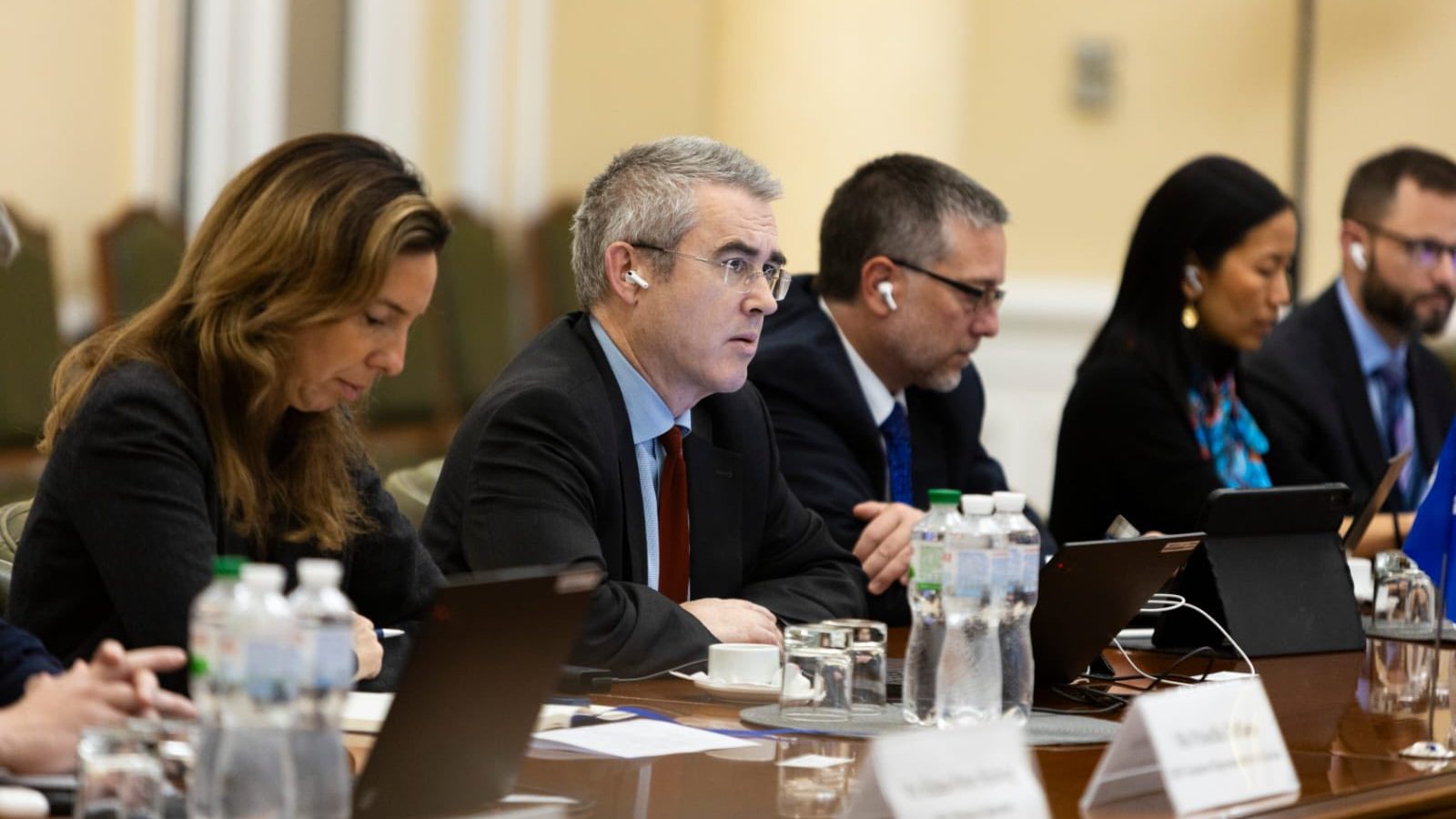
Parliament must vote on a number of decisions by the end of March that are necessary to receive the next tranche. According to media reports, the IMF mission led by mission chief Gavin Gray plans to begin meetings with members of parliament from March 18 to explain priorities and the risks of delays.
"I can say that I am concerned."
— Priscilla Toffano, IMF representative in Ukraine
Which changes are being sought
Among the main demands are the introduction of VAT for FOPs on the simplified system, the abolition of the duty‑free limit for parcels from abroad, and the taxation of income from digital platforms. These steps are specifically listed as conditions for further funding.
Context and figures
The new IMF program for 2026–2029 envisages $8.1 billion. The first tranche of $1.5 billion was already received on March 3; the next is expected in June 2026, but it depends on meeting conditions previously detailed by LIGA.net.
By joint estimates of the Ukrainian government and the IMF, the external financing gap for 2026–2029 under the baseline scenario may be around $136.5 billion. At the same time, EU aid of €90 billion is being blocked by individual countries, notably Hungary and Slovakia, which increases risks to financial stability.
What the risks are
In the worst-case scenario, if external inflows do not arrive, the National Bank may resort to direct lending to the Ministry of Finance, as it did at the start of the full-scale invasion. Prolonged reliance on monetary issuance risks accelerating inflation and undermining market confidence.
What this means for Ukrainians
In the short term — pressure on the exchange rate and borrowing costs; in the long term — fewer resources for stable financing of defense and social spending. In other words, decisions in parliament affect not only bureaucratic deadlines but the state's ability to plan expenditures during wartime.
What’s next
The IMF is acting from the position of an authoritative lender: now it is up to the deputies to turn dialogues and meetings into votes. Experts and the government agree that funds and programs are not an abstraction but a real support for the economy and defense. Whether an agreement can be reached is a question on which Ukraine’s financial freedom in the coming years depends.
Sources
Bloomberg; LIGA.net; statements by IMF representatives and official estimates of the government and the National Bank of Ukraine.