IMF eases prior actions for $8.1 billion program — what it means for sole proprietors and defense funding
The IMF mission has reviewed a number of prior measures: raising the VAT threshold for sole proprietors to UAH 4 million, regulating digital platforms, and retaining the military tax. We explain who will actually be hurt, who will benefit, and why this matters right now.

By Tetiana Suchkova-Ladik
February 14, 2026 · 3 min read
Quiet adjustments in high diplomacy
The International Monetary Fund has revised the prior actions for a new $8.1 billion lending program for Ukraine after consultations between the mission and the IMF Managing Director. That means earlier agreements discussed in November have been simplified — not cancelled, but adapted to the realities of the current war and political situation.
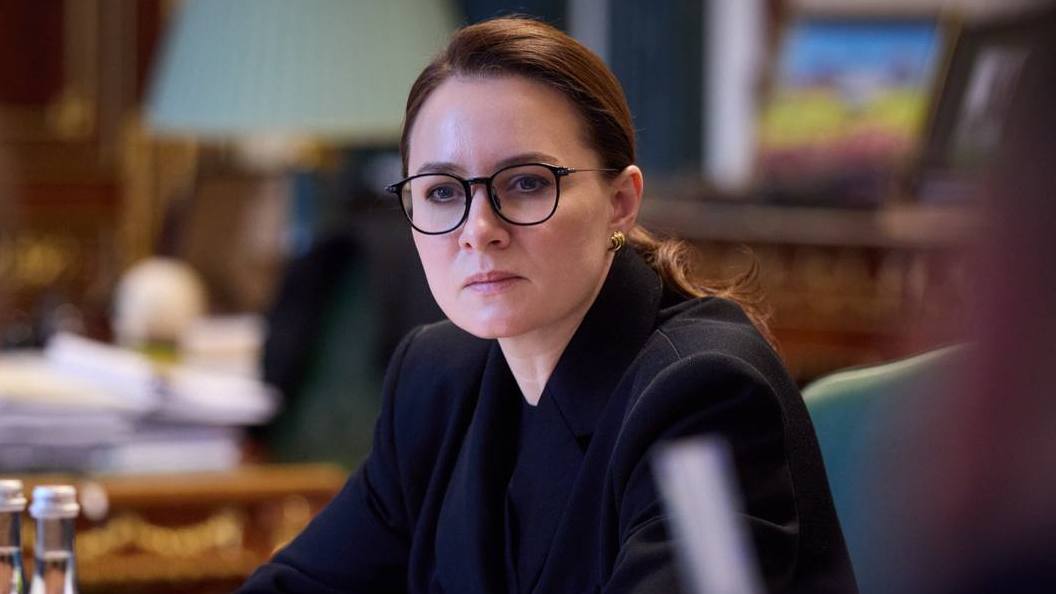
“After numerous discussions and consultations, including direct talks with Managing Director Kristalina Georgieva, the mission simplified the agreements reached in November — in particular, it reviewed the prior measures and structural benchmarks.”
— Yuliia Svyrydenko, Prime Minister of Ukraine
What exactly changed
The key change named by the prime minister: a proposal to raise the VAT threshold for individual entrepreneurs (FOP) to UAH 4 million (about €85,000). According to the government’s estimates, this will not affect roughly two thirds of individual entrepreneurs. At the same time, the consolidated tax bill is set to include taxation of digital platforms, parcels, and a mechanism to preserve the military levy after martial law ends.
Legally, the program will be considered at a meeting of the IMF Executive Board, but the agenda now reflects greater flexibility by the mission in formulating the final conditions.
Context: why the IMF moved to simplify
The new program will replace the previous four-year $15.5 billion arrangement, of which about $10.6 billion has already been disbursed. Initial assumptions were based on expectations that the war might end in 2025; the baseline scenario has now been shifted to 2026, and a “downside scenario” — an escalation that could last through 2028 — has been included. This uncertainty forced the IMF to adapt the set of conditions so the program would remain viable under different developments.
Consequences for business and citizens
Raising the VAT threshold to UAH 4 million softens the blow to small businesses: a significant share of individual entrepreneurs will remain outside the mandatory VAT registry. At the same time, bringing digital platforms and parcels into the tax discussion means the state will seek additional revenue sources in new sectors of the economy.
Keeping the military levy in the tax package is both a political and technical decision: it signals to partners an intention to maintain current defense funding sources, while also requiring mechanisms to be enshrined at the legislative level.
EU financing and risk allocation
EU disbursement of a €90 billion package depends on the IMF program — the final formal vote in the EU Council still remains. The preliminary allocation of these funds, cited by the government, is about €60 billion for defense and €30 billion for budget support. The ministries of finance and defense are refining needs to provide partners with concrete calculations.
What’s next — a short checklist
1) The IMF Executive Board must formally consider the program; 2) the parliament must adopt the consolidated tax law; 3) the Cabinet and relevant ministries must finalize calculations of defense and budgetary needs for partners. The government expects financing to begin as early as April, but this depends on the pace of law adoption and consolidation of figures with partners.
Conclusion
By simplifying the prior actions, the IMF has given Ukraine a chance to speed up the process of securing financing amid a protracted war — but this is not a cancellation of commitments. The question is whether these agreements will translate into quick tranches and real budgetary decisions: for that, internal legislative steps must be taken quickly and well, and final figures agreed with European partners.