NBU Eases Currency Restrictions: What Will Change and Why Now
Andrii Pyshny announced the liberalization of currency limits following consultations with the IMF. We analyze what stands behind this move and what risks it carries.

By Tetiana Suchkova-Ladik
May 14, 2026 · 1 min read
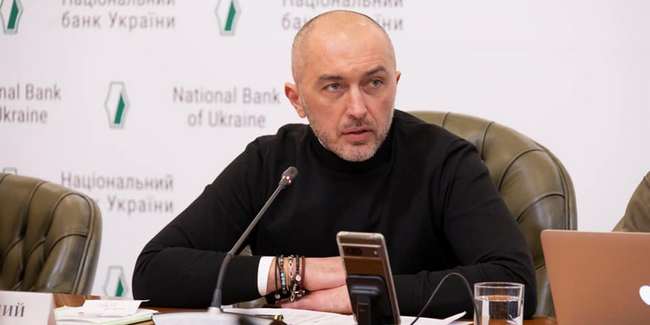
The National Bank of Ukraine is preparing to review currency restrictions for the population. NBU Governor Andrii Pyshny confirmed that the decision to ease limits was made after consultations with the International Monetary Fund. Details have not yet been disclosed, but the announcement itself is already a signal to the market.
What exists now
Since February 2022, Ukrainians have lived under strict currency restrictions: limits on purchasing cash foreign currency, restrictions on transfers abroad, and a ban on early withdrawals of foreign currency deposits. The NBU introduced these measures to stabilize the hryvnia in the first months of full-scale invasion — and they worked: a sharp devaluation was avoided.
However, the situation has changed over three years. The NBU's international reserves exceeded $43 billion — a record figure. The hryvnia maintains relative stability even under constant pressure.
Why now
Consultations with the IMF are not a coincidental context. The Fund has consistently insisted on gradual normalization of monetary policy as a condition for continued financial support. Liberalization of currency restrictions is included in the list of structural milestones of the program.
At the same time, there is internal pressure: the shadow market for currency exchange has not disappeared; it simply migrates to less transparent channels. Excessively strict restrictions effectively push people to circumvent official rules.
The risk that is not spoken aloud
The main question is not whether restrictions will be eased, but the pace and mechanism. Too rapid liberalization during the active phase of war could provoke a capital outflow from the banking system. The NBU balances between two dangers: maintain restrictions — fuel the shadow market, remove them quickly — risk exchange rate stability.
Pyshny has not yet disclosed either timelines or specific parameters for changes. This is either regulator caution or the absence of a final agreed position with the IMF.
If the NBU truly has an agreed plan with the fund — why did the announcement precede public details rather than the other way around?