NBU on Revolut account closures: regulatory dialogue instead of 'back doors'
The head of the National Bank of Ukraine explained why opening accounts through a Lithuanian structure drew the regulator’s scrutiny and what it means for Ukrainians’ access to foreign fintech services.

By Tetiana Suchkova-Ladik
February 23, 2026 · 2 min read
NBU: this is not a conflict, but enforcement of the rules
The National Bank's dialogue with Revolut — not a public scandal, but a check of the form of entry into the Ukrainian market. For the user this matters: depending on how the regulator works, account accessibility, transfer speed and protection from risks related to money laundering and sanctions liability are at stake.
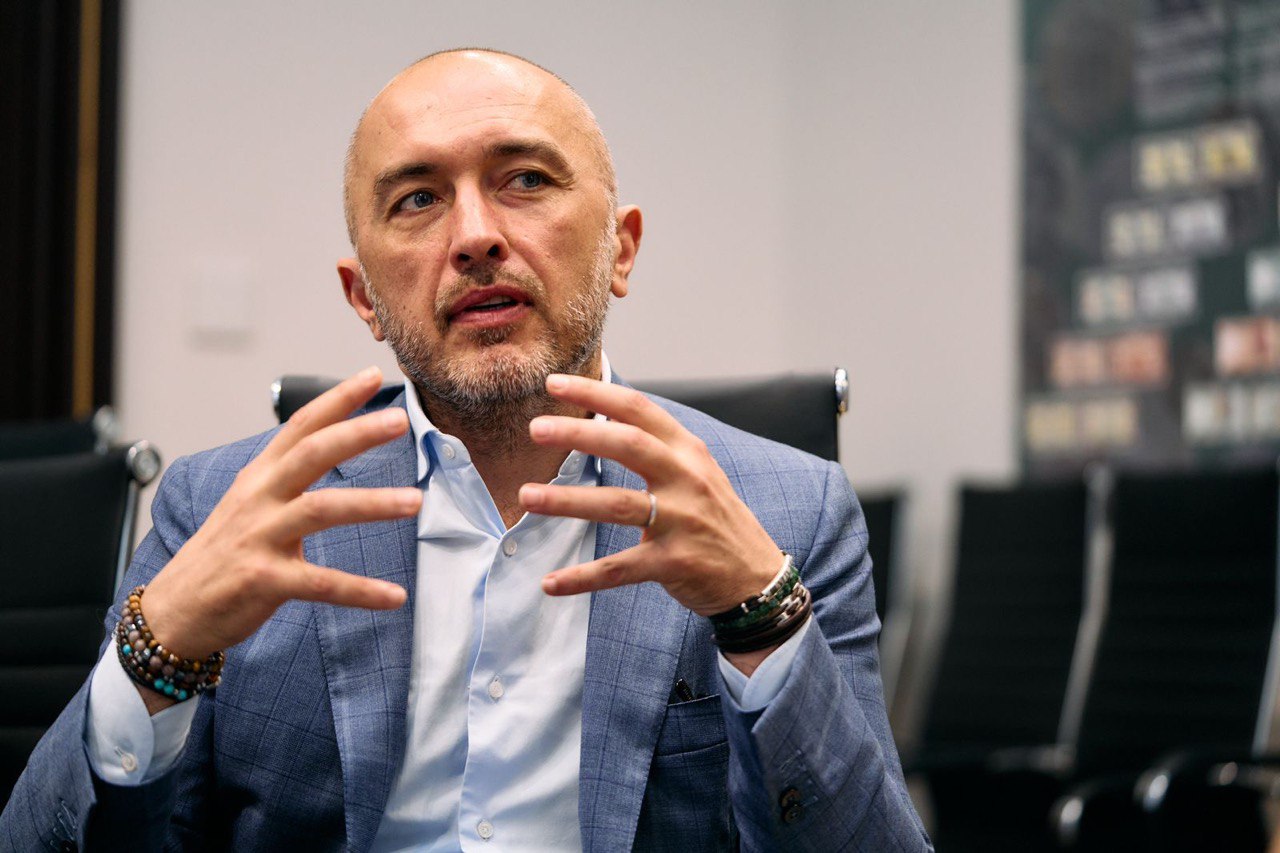
"I am categorically against entering the market through the back door while the front doors are open. [...] We have a good dialogue with the company, and I do not consider it to carry any conflict. No, absolutely not. This is a normal regulatory dialogue. Communication took place. Next, as I understand it, is simply a pause for the corresponding decision. Do not view this situation as if we have closed the door on anyone. The doors remain open as they were"
— Andriy Pyshnyi, head of the National Bank of Ukraine
What happened
Revolut in 2025 allowed Ukrainians to open accounts through its Lithuanian unit, Revolut Bank UAB. In December 2025 the company announced the termination of operations in Ukraine and the closure of opened accounts from 22 February 2026. The NBU believes that operating through foreign units without an official branch or a license contradicts Ukrainian law: on our territory only a branch of a foreign bank or a Ukrainian banking license are permissible, each of which requires the regulator's approval and a comprehensive assessment.
Why this matters for you
First, this is about the legal framework. If a company provides services in Ukraine without the proper form, this is a risk for clients: limited protection mechanisms, complicated access to compensation and reduced control over transactions. Second, it is a matter of financial security — the regulator assesses the founder's reputation, the business model and financial resilience to avoid systemic risks. Third, for the market it is a test: whether foreign fintech players will be able to compete under Ukrainian law.
Context: the market is changing
In this context the example of Iute — which at the start of 2026 entered the market, obtaining a license by purchasing a local asset — is illustrative. At the same time, in February the NBU closed several small banks that were in the process of being wound down. This is a signal: the regulator combines access for new players with strict control over compliance with the rules.
What’s next
The NBU confirmed its readiness to consider Revolut's package of documents if they are submitted in proper order. For Ukrainians this means two things: either companies will choose a transparent path — a branch or a licence — and fully enter the market, or they will risk restrictions and inconveniences for users. Analysts and banking experts note: consistent regulation increases the trust of investors and users, although it may temporarily narrow the range of available services.
Conclusion: the matter is not personal grievances, but the rules of the game. Now the move is on the companies: either compliance with Ukrainian standards, or operating outside them with the corresponding consequences for clients.