NBU revokes "Professional Insurance" license: recapitalization from unconfirmed sources and implications for the market
A Kyiv-based insurance company in August 2024 increased its statutory capital to UAH 48 million but failed to verify the sources of the funds — the National Bank revoked its license. We explain what this means for clients and why the regulator is tightening oversight.

By Tetiana Suchkova-Ladik
December 31, 2025 · 2 min read
In brief — why this matters
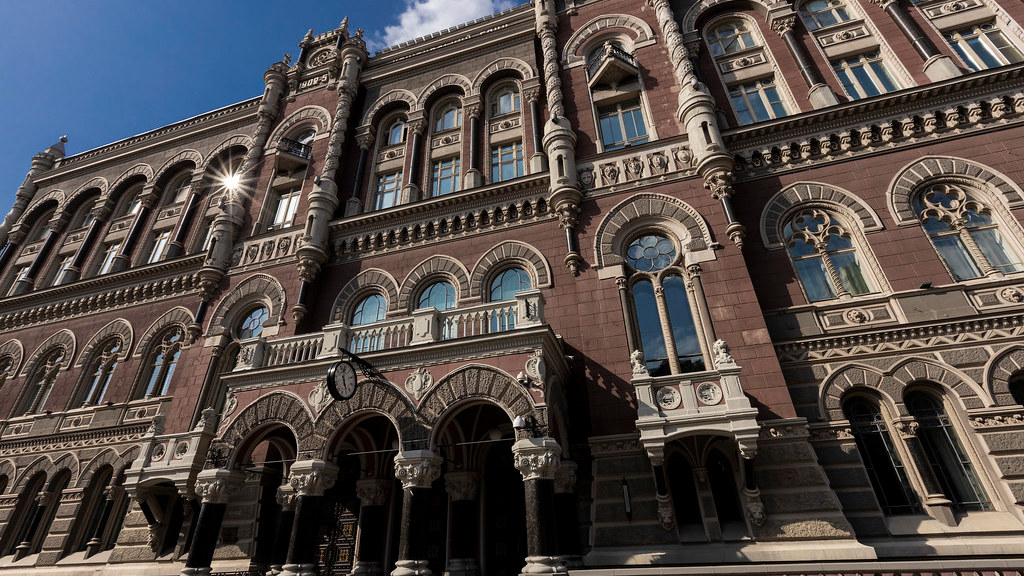
Money and trust are the foundation of the insurance market. When the regulator uncovers questionable recapitalization operations, it is not just a matter of a single company: it is a signal of risks to clients and to the system. The National Bank of Ukraine revoked the license of the Kyiv insurer “Professional Insurance” on the evening of December 30 — the decision is linked to the company’s failure to confirm the sources of the funds used to top up its statutory capital.
What happened
In August 2024, “Professional Insurance” registered an increase in statutory capital from UAH 8 million to UAH 48 million. The company initially recorded the changes and later applied to the NBU for approval — the regulator refused.
The NBU determined that the insurer’s owners — Roman Kuzmenko and Yevhen Vasylenko — purchased OVDP (domestic government bonds), then sold them to other insurers and directed the proceeds to increase the capital. The regulator noted that the sources of the funds were not confirmed and initially gave the company time to remedy the situation until the end of 2024. No remedy took place — ultimately the license was revoked.
"The sources of the funds used to purchase the bonds were not confirmed."
— National Bank of Ukraine (regulator’s decision)
Why it matters — risks and context
Prudential requirements exist to guarantee that an insurer’s capital is real and sustainable. When capital increases occur through complex transactions between related parties, it raises the risk of immediate withdrawal of funds and leaving clients without coverage.
This story is not an isolated episode. The NBU has already said that from 2026 it will begin designating systemically important insurers, and pressure for transparency and accountability in the sector is increasing. For the market this means: tighter supervision, a possible reduction in the number of weak players, and higher standards for those that remain.
What clients should do and what to expect
First, if you have contracts with “Professional Insurance,” check the status of your policy on the NBU website or call the company. After the license is revoked the company cannot enter into new contracts and is not allowed to make changes that increase its obligations.
Second, follow official NBU announcements — the regulator provides detailed information on the next steps to protect policyholders’ rights and on settlement mechanisms.
Brief conclusion
This case is an example of how non-transparent financial schemes undermine trust in the insurance market and force the regulator to act more decisively. For consumers it is a signal: choose companies with transparent accounting and a solid reputation; for the market — prepare for stricter requirements and a cleansing of the sector.