NBU keeps key policy rate at 15.5% amid delays in reparations
The National Bank of Ukraine kept its key rate at 15.5% amid uncertainty over external financing, notably a delay in a reparations loan, and elevated inflation expectations. November inflation was 9.3% year‑on‑year.

By Tetiana Suchkova-Ladik
December 11, 2025 · 1 min read
Decision of the National Bank
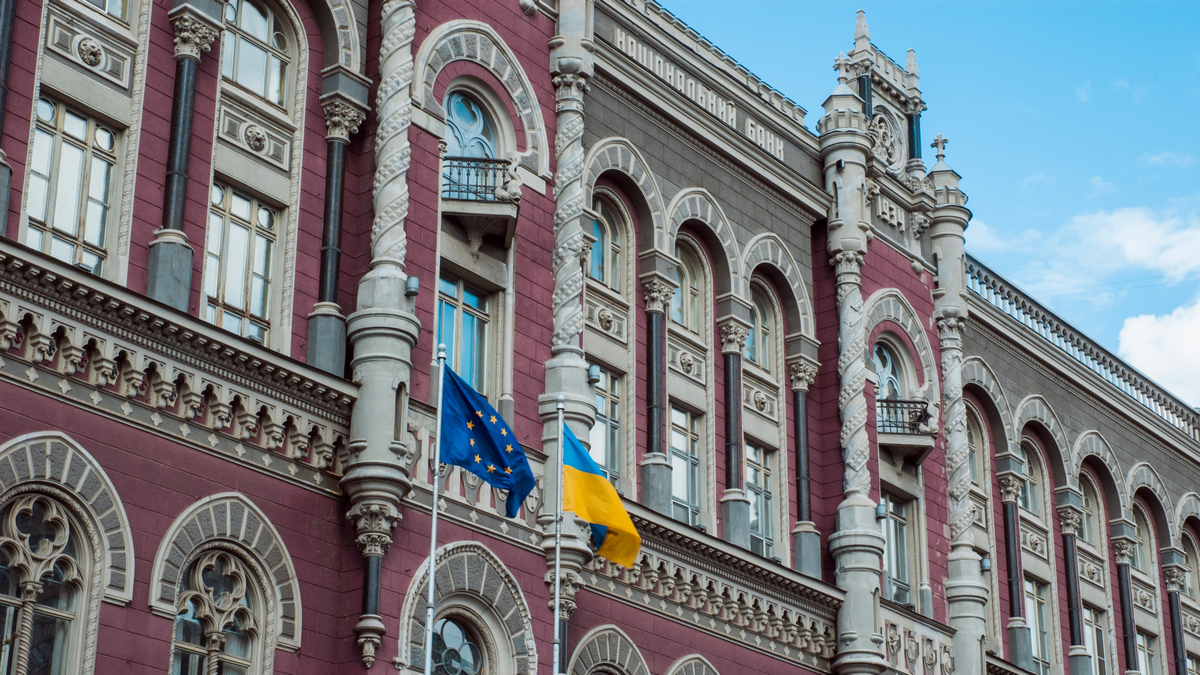
The National Bank of Ukraine (NBU) left the key policy rate unchanged at 15.5% for the sixth consecutive time. The regulator said this was necessary to preserve the attractiveness of hryvnia-denominated instruments and to support stability in the foreign exchange market amid persistent inflationary risks.
The decision also noted the impact of uncertainty over external financing, in particular due to a delay in a reparations loan, which reinforces a cautious approach to monetary policy.
Consumer inflation
In November, annual inflation in Ukraine fell to 9.3%, slightly below the regulator's expectations. The main factor cited for the slowdown was an increased supply of food products following the new harvest.
At the same time, inflation expectations among households and businesses remain high, and attention to the pace of price growth persists.
Dynamics of the policy rate
The NBU forecasts a gradual decline in inflation in the coming months, but the pace of decline will be more moderate due to the fading base effect. The target remains at 5%.
If inflationary risks intensify, in particular due to uncertainty over external financing, the regulator is ready to maintain a tighter stance or take additional measures. If inflationary risks abate, a reduction in the policy rate is possible in line with the baseline macro scenario of the October forecast.
- The policy rate sets the basic cost of money in the country and affects interest rates on loans and deposits.
- After the start of the full-scale war it was raised from 10% to 25% and kept at that level until July 2023.
- Starting in July 2023 the NBU gradually lowered the rate, and in December 2023 it fell to 15%.
- In March 2024 the regulator resumed rate cuts, but from December 2024 it began raising them again.
- Since March 2025 the policy rate has been 15.5%.