Parliamentary swap: scrapping lifetime PEP status in exchange for votes on the tax package — IMF tranche hinges on it
The Verkhovna Rada faces a choice: approve unpopular taxes now to avoid losing funding in spring 2026. We examine what’s being proposed and what the consequences will be for the state and ordinary citizens.

By Tetiana Suchkova-Ladik
January 27, 2026 · 2 min read
Essence of the proposal
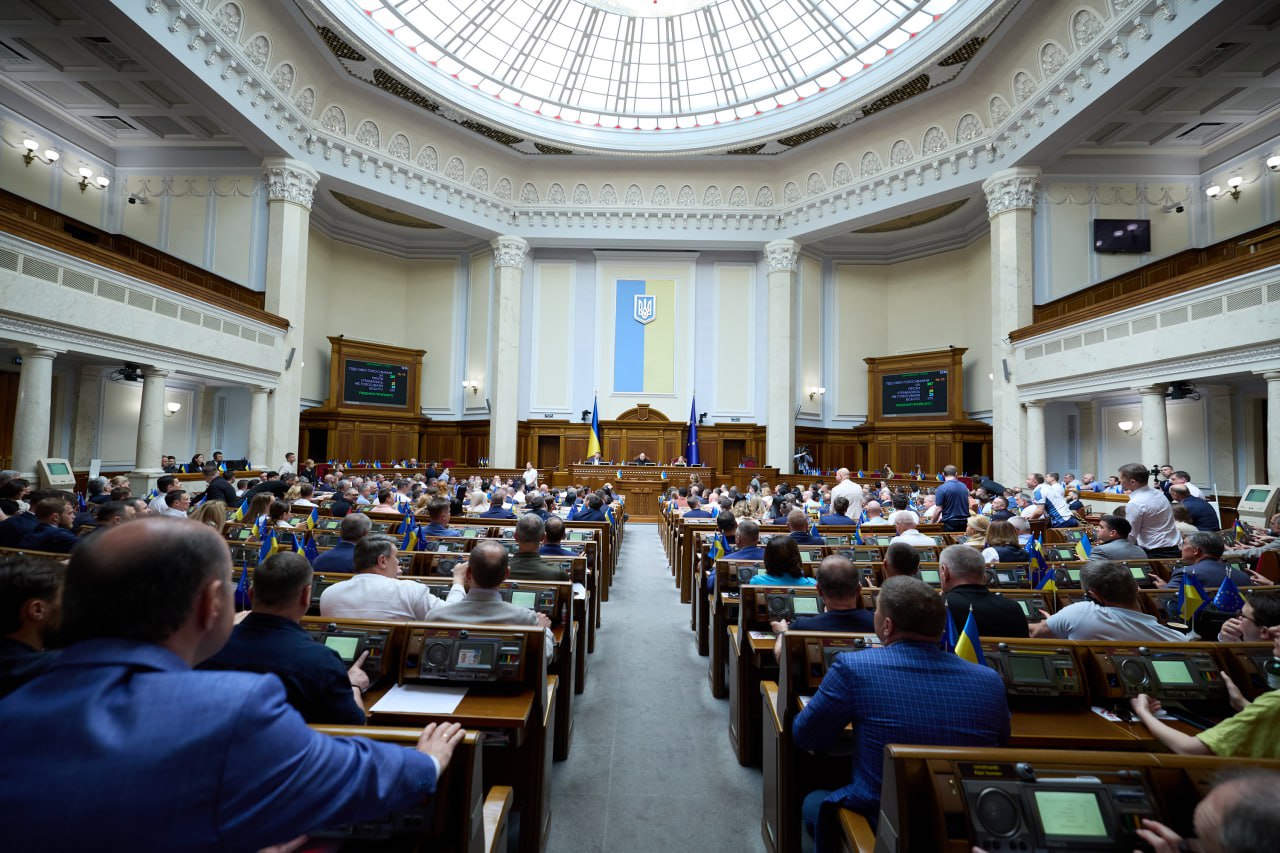
According to Ekonomichna Pravda, the government plans to bundle a number of unpopular tax initiatives into a single bill and offer deputies a compromise — to abolish the lifelong PEP status (politically exposed person) in exchange for their support of the changes. This is part of the agreements needed to launch a new cooperation program with the IMF worth $8.2 billion, on which, sources say, the EU assistance package of €90 billion also depends.
Why it matters
If the reform package is not adopted within the set deadlines, funding could become an issue: current estimates suggest Ukraine’s money could run out as early as April 2026. So this is not a political dispute for ratings, but a real choice between temporary political risk and the stability of public finances.
What exactly is proposed to be included in the package
Among the key initiatives that must be agreed to receive the tranche:
- Abolition of the exemption for duty-free import of parcels worth up to €150;
- Tax on digital platforms (the so-called “OLX tax”);
- Fixing the military levy at 5% on a permanent basis;
- Possible introduction of VAT for individual entrepreneurs (FOPs) — discussed separately and with mitigations;
- Mitigations: raising the threshold for mandatory VAT registration from UAH 1 million to UAH 2 million, postponing changes until the end of the war, and banning tax authorities from blocking VAT invoices for small businesses.
"For deputies this is really a painful issue, because this status effectively closes off working with most banks for them. For example, PrivatBank simply blocks PEP accounts without distinction. Because of this, no one wants to go into public service."
— a member of parliament, a source for “Ekonomichna Pravda”
Who will be hit and how
Postal parcels: abolishing the duty-free limit will raise costs for citizens who regularly receive goods from abroad. Digital platforms: the tax could increase commissions or sellers' costs on online marketplaces. FOPs: VAT for some individual entrepreneurs would mean additional administration and expenses, although the list of mitigations is intended to ease pressure on small businesses.
Authoritative perspective
The IMF and the EU emphasize structural changes that will improve the tax base and revenue administration. IMF Managing Director Kristalina Georgieva has repeatedly stressed that reforming the tax system and broadening the base is not only a creditors' demand but also a tool for long-term economic resilience.
What it means for politics and security
Politically, the proposal is a "package" approach: less popular steps are presented together with concessions to deputies to secure votes. For state security, the issue is indisputable: stable funding for the military and social payments depends on continued international support.
Conclusion
We see a typical dilemma: short-term political costs versus long-term financial stability. The ball is now in parliament’s court — are MPs ready to put the state's interest above the protection of certain privileges? This decision will determine whether the country receives funds to support the front and the economy already next spring.