Official dollar hits record highs for the third time — euro nearly 50 hryvnias. Why it matters
Seasonal demand and budget payments pushed the National Bank of Ukraine (NBU) into net currency sales, but record reserves provide room to maneuver. We explain what this means for the economy and your wallet.

By Tetiana Suchkova-Ladik
January 7, 2026 · 2 min read
What happened
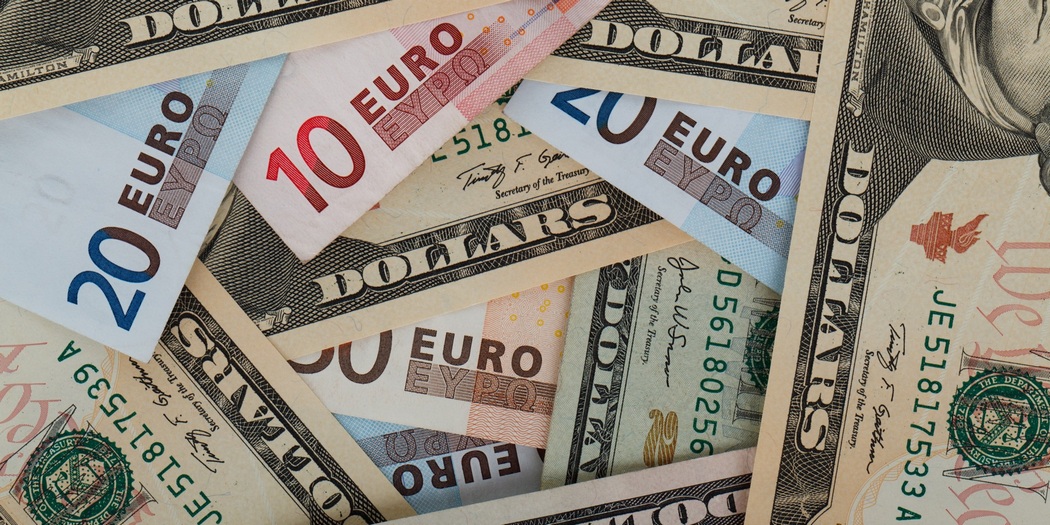
The National Bank of Ukraine lowered the official hryvnia exchange rate against the dollar by 15 kopecks — to 42.7155 UAH per $1, the rate taking effect on January 8. This is already the third record high in three days. The euro rate also rose — to 49.9216 UAH, which is just slightly below the psychological 50 UAH mark.
“Due to significant seasonal demand in December, the NBU increased net currency sales by 1.7 times compared with November. This is related to the ramping up of budget expenditures and business operations at the end of the year.”
— National Bank of Ukraine, press release
Why it happened
The explanation is simple and pragmatic: demand for foreign currency traditionally rises at the end of the year — the state makes large payments, businesses close out operations, and individuals move savings. The NBU responded by increasing net currency sales to smooth market fluctuations.
At the same time, important context: Ukraine has record international reserves — over $57 billion as of January 1. This allows the central bank to act more confidently and conduct interventions without stoking market panic.
What this means for your wallet and the economy
An increase in the official rate is a signal for importers, payers of external obligations and those planning to buy foreign currency: the cost of imported goods and services may rise slightly, and companies with foreign‑currency expenses will face additional margin pressure. For those receiving international aid or remittances — it is a quick channel to strengthen the purchasing power of the hryvnia.
However, against the backdrop of record reserves and active use of interventions, the risk of a sudden currency shock remains moderate. Analysts note that the key question is whether the inflow of foreign currency (grants, loans, exports) will be sustained and how predictable budget payments will be in the coming weeks.
Short forecast
As expected, the NBU will continue to balance between currency interventions and market signals. If seasonal demand eases, exchange‑rate volatility may stabilize. If budgetary or external receipts decline, pressure on the hryvnia will intensify again.
The question in this context is simple: will record reserves become a lasting economic advantage, or will they need to be used as a temporary cushion during a difficult period?