Oschadbank Opens Second Front Against Russia in Arbitration — This Time Over Four Occupied Regions
# Translation On July 24, the bank officially notified Moscow of a new investment dispute. The response window is six months, followed by international court proceedings. The damages amount has not been disclosed, but the Crimea precedent demonstrates how this works: $1.1 billion after seven years of litigation.

By Oleg Bazylewicz
April 17, 2026 · 3 min read
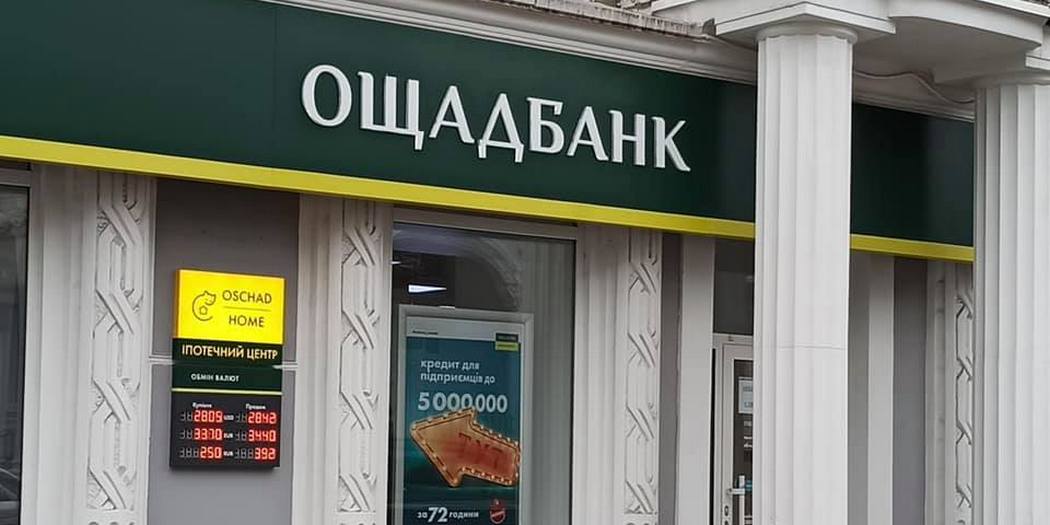
State Savings Bank of Ukraine on July 24, 2025 began legal proceedings for a new international arbitration against Russia. The grounds are the loss of property and the inability to conduct business activities in the temporarily occupied territories of Donetsk, Luhansk, Kherson, and Zaporizhzhia regions. The bank has not disclosed the exact amount of claims.
How the mechanism works
The Savings Bank's legal advisors sent Russia an official notice of an investment dispute under the Agreement between Ukraine and the Russian Federation on the Promotion and Mutual Protection of Investments — a bilateral treaty signed before the full-scale invasion. It is this agreement that gives the bank the right to demand compensation through international arbitration rather than through Russian courts.
The scheme is two-stage: first comes a negotiation period. If within six months Russia does not offer "prompt, adequate and effective compensation," the case automatically moves to an international arbitration court.
"We do not expect the aggressor country to voluntarily compensate for the damages caused. We are ready to fight to protect our rights and obtain compensation for lost investments"
Arsen Miliutin, First Deputy Chairman of the Board of the Savings Bank
What the Crimean precedent showed
The Crimean case is the only one that has completed its full cycle, and it provides insight into a realistic scenario. In 2015, the bank filed a lawsuit under the same investment protection agreement. For the case, 30,000 pages of evidence were collected with a total weight of 70 kg. In November 2018, the Arbitration Tribunal in Paris ordered Russia to pay $1.3 billion.
What followed was Moscow's typical tactic: refusal to recognize the decision, appeal to French courts, attempts to freeze execution. In March 2021, the Paris Court of Appeal overturned the ruling, but then the Supreme Court of France reinstated it — in the final version, the amount is $1.1 billion plus interest (approximately $100,000 per day until actual payment).
On July 1, 2025, the Paris Court of Appeal definitively rejected Russia's new appeal and additionally ordered €300,000 in court costs. In April of that year, the Savings Bank had already seized Russian assets in France worth €87 million — the first real cash result after ten years of proceedings.
Scale of the new lawsuit
The occupation of four regions is incommensurate with Crimea in terms of the scope of the bank's economic presence. The Savings Bank is the country's largest retail network: before 2022, its branches operated in hundreds of settlements in the Donbas and the south. The bank has not announced exact figures for losses, but analysts at Forbes Ukraine note that the amount of claims could significantly exceed the Crimean $1.1 billion.
- Legal basis: the same agreement on mutual protection of investments as in the Crimean case
- Documented violations: loss of property, inability to conduct business, violation of international law norms
- Deadline for Russia's response: six months (by the end of January 2026)
- Next step if Moscow remains silent: filing a lawsuit with an international arbitration court
The Crimean case lasted from the first notice to the seizure of actual assets — ten years. Even if the new arbitration is faster, realistic expectations for the first payments for damages from 2022–2024 should not come before the mid-2030s.
The question that will determine the practical value of this entire strategy: will the Savings Bank by then have enough seized Russian assets in jurisdictions where arbitration decisions are enforced — and will Moscow not have time to withdraw them before the new verdict is issued?