Pope Leo XIV Against Arms Race: Why the Pontiff Refuses to Call It "Defense"
New Pope Publicly Questioned the Logic of Rearmament — Just as the West Competes Over 5% of GDP for Defense

By Tetiana Suchkova-Ladik
May 14, 2026 · 1 min read
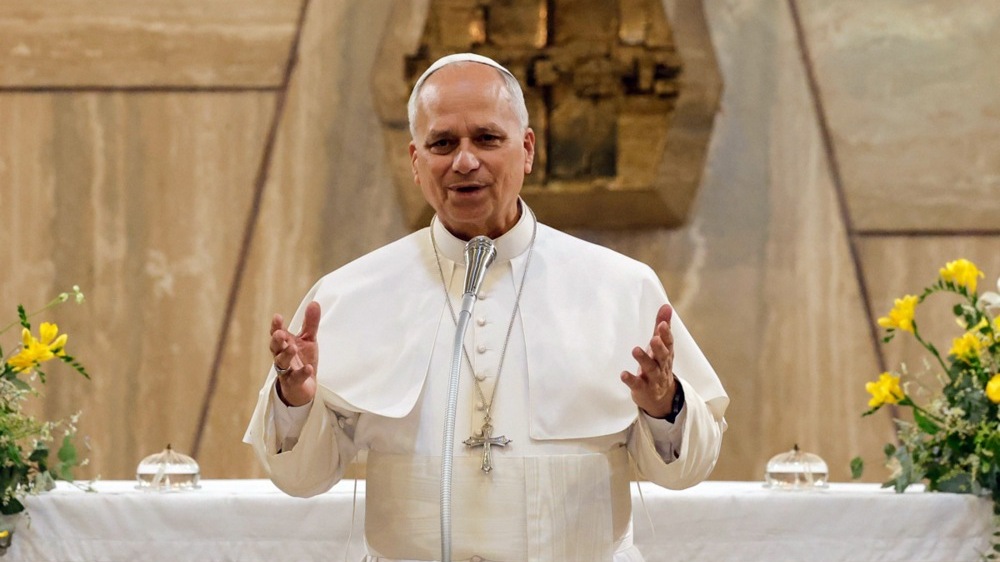
Pope Leo XIV has delivered sharp criticism of the global trend toward increased military budgets, calling the very word "defense" misleading when applied to large-scale rearmament. The statement came amid pressure from the United States under Donald Trump's leadership for NATO allies to spend more on their militaries.
The pontiff did not simply call for peace — he questioned the language world leaders use to describe militarization. When a country doubles its defense budget, is it still protection — or already preparation for aggression? Leo XIV believes: mixing these concepts is dangerous.
The Vatican's position has traditionally been pacifist, but the timing of this statement is no coincidence. Right now, discussions are underway in Brussels and Washington about raising NATO spending to 5% of GDP. Trump himself is lobbying for this figure, presenting it as a condition for European security.
Critics of the pope's position point out the obvious: Ukraine is at war with an aggressor, and "less weapons" as a response to Russian invasion sounds like a moral luxury for those far from the front lines. The Vatican has not explained where the line lies between legitimate defense and the "rearmament" it condemns.
Supporters of the papal position, meanwhile, point to a real risk: when everyone arms themselves simultaneously, citing threats from one another — this is the classic security dilemma trap that history shows has repeatedly ended in wars that no one formally wanted to start.
The question is not abstract. If the West truly reaches 5% of GDP for defense — it will mean redistributing trillions of dollars from social programs, infrastructure, and climate. Are societies ready for such a choice — and will anyone ask them about it?