Powell Ready to Stay at the Fed — How It Could Complicate Trump’s Plans and Affect Interest Rates
Federal Reserve Chair Jerome Powell hinted he would remain on the Fed’s Board through 2028, until an investigation is concluded. That lowers Donald Trump’s chances of securing a majority on the Federal Reserve and changes expectations for future interest-rate decisions.

By Tetiana Suchkova-Ladik
March 19, 2026 · 2 min read
What happened
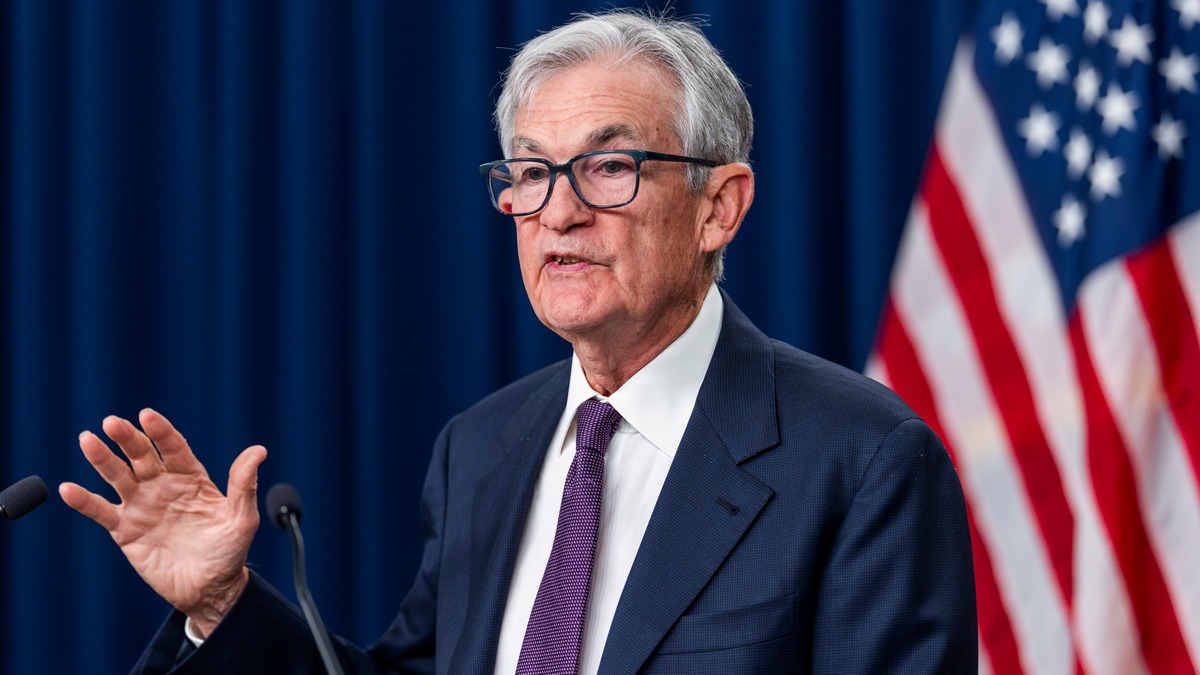
The Chair of the Federal Reserve Jerome Powell said at a press conference that he does not plan to leave the Fed until the Justice Department's investigation into him is "fully complete, transparent and final," the Wall Street Journal reports. Powell's official term as chair ends on May 15, but as a Board member he can remain until 2028 — he was separately confirmed to a 14-year term.
Why this matters
The Fed's Board has seven seats; three are currently held by people appointed by Donald Trump. If Powell stays, the Trump administration will find it harder to form a majority on the Board in favor of more aggressive monetary easing. This is a direct mechanism of influence on future rate decisions, which the administration seeks to lower.
"Further rate cuts are possible in two cases: a slowdown in the economy or clear progress in fighting inflation. If we do not see such progress, rate cuts will not occur."
— Jerome Powell, Chair of the Federal Reserve
How it affects markets and us
Decisions about Fed leadership have direct consequences for global financial markets: from borrowing costs to exchange rates and the cost of war-related loans. For Ukraine, this means that stable and predictable decisions by the U.S. regulator make it easier to plan external financing and support from partners.
Analysts note that keeping Powell on the Board would increase the likelihood of gradual, rather than sharp, easing of Fed policy — a scenario that reduces the risk of renewed inflation spikes and abrupt market swings.
Context: the scandal and the renovation
Powell has previously spoken of political pressure and called the Justice Department's subpoenas in the case of the Fed buildings' renovation politically motivated; the Wall Street Journal highlights these statements. The Fed's website indicates that restoration work is underway on the Eccles Building and the building at 1951 Constitution Avenue, which have not undergone comprehensive renovation since the 1930s. The project is planned through 2027, and its cost has been criticized by Donald Trump, a man with experience in real estate.
What’s next
If Powell stays, the market will receive a signal of policy continuity and greater predictability of decisions — at least until further changes in the Board's composition. For Trump, a full reorientation of the Fed in the short term looks difficult: it would require Senate confirmations of nominees or the departure of other Board members.
The question for Washington and for the market is simple: can political pressure change the balance on the Fed faster than economic risks will require? The answer will determine not only the future of U.S. monetary policy but also the conditions for international assistance and financing, which are important for our country as well.
Source: Wall Street Journal; official website of the Federal Reserve.



