Plan B for €90 billion: how the EU could guarantee funds to Ukraine if Orbán blocks them
Diplomacy is working quietly: as Hungary and Slovakia cast doubt on a €90bn loan, the Baltic and Northern European countries are preparing a financial "insurance" — we examine how it works and what it means for the frontline budget.

By Tetiana Suchkova-Ladik
March 11, 2026 · 2 min read
What happened
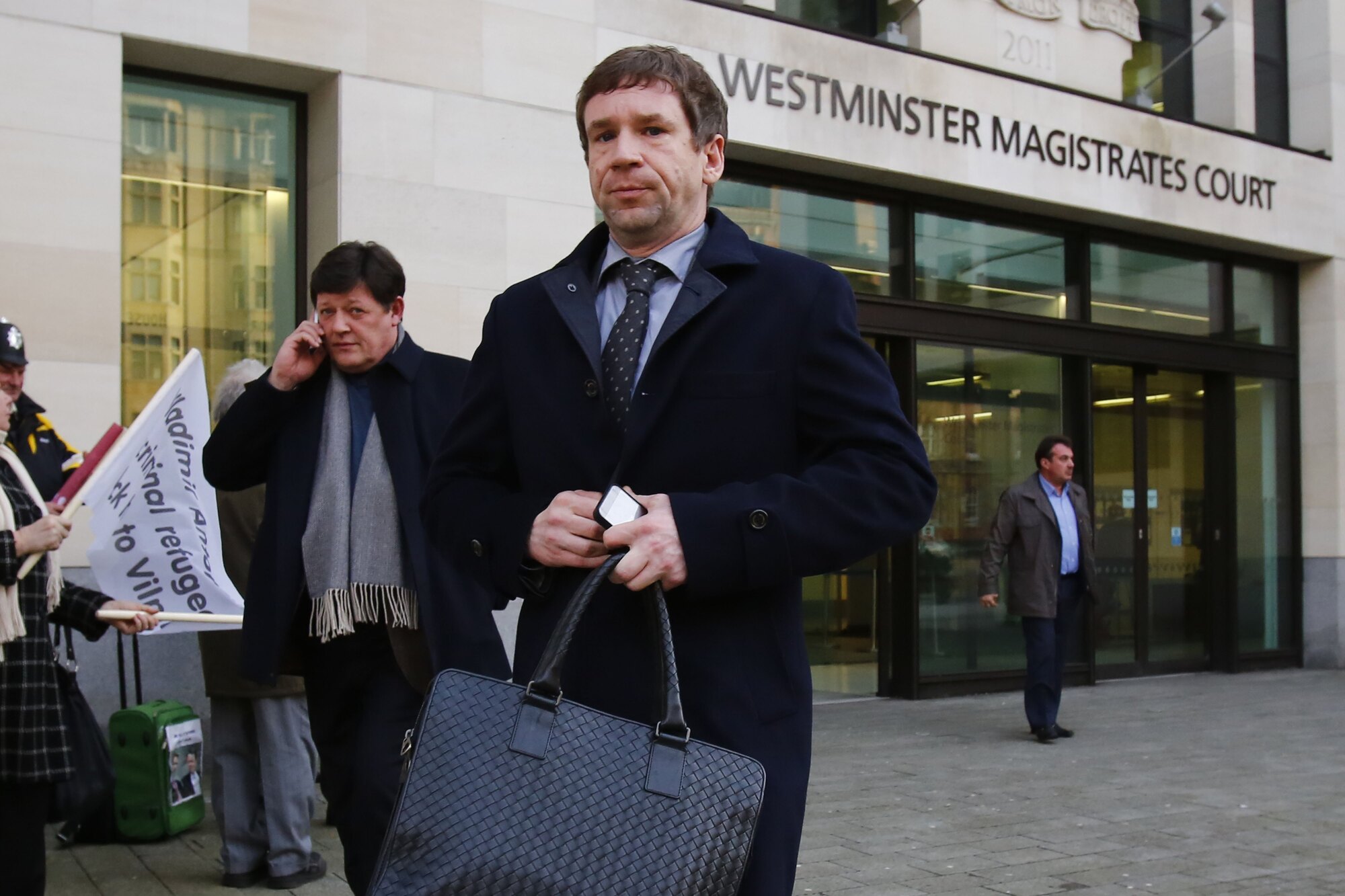
Politico, citing two EU diplomats, reports that a €90 billion loan for Ukraine could be secured even if Hungary and Slovakia block it. The source of the dispute is the transit of Russian oil through the "Druzhba" pipeline, which was damaged by a Russian strike; Budapest doubts the technical explanation and interprets the resumption of transit as a political decision by Kyiv.
"Ukraine will receive a loan from the European Union, even if Hungary and Slovakia block it."
— Politico, citing two EU diplomats
Plan B: who and how much
If Prime Ministers Viktor Orbán and Robert Fico cannot be persuaded, a number of Baltic and Northern European countries are reportedly ready to provide a temporary financial bridge — roughly €30 billion in the form of bilateral loans. Because these are bilateral agreements, they would not require formal approval by the whole EU and thus would remove the veto as a blocking tool.
"My government has envisaged the possibility of providing bilateral support of €3.5 billion per year until 2029."
— Elko Heinen, Dutch Minister of Finance (according to reports from March 10)
Loan mechanics and fundamental terms
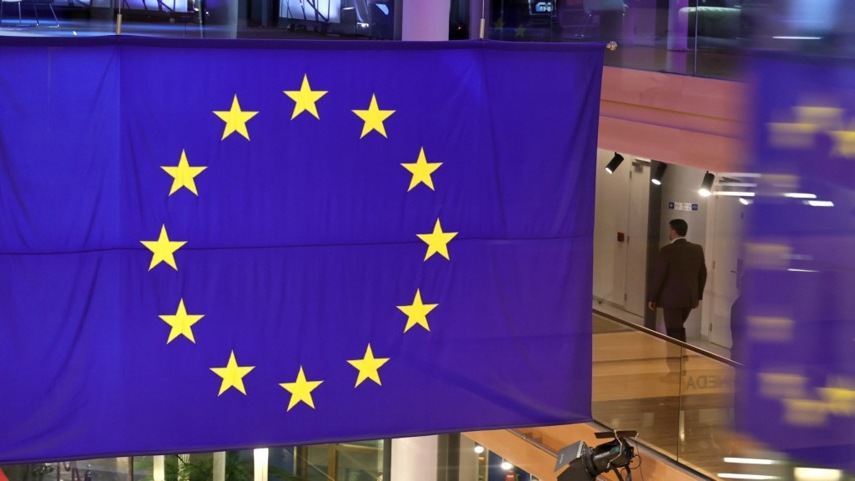
The European Council's official decision of 18 December foresees a preferential €90 billion loan for 2026–2027 financed through joint EU borrowing (without the participation of the Czech Republic, Hungary and Slovakia). Debt servicing is planned to be covered from annual EU budgets — around €1 billion in 2027 and about €3 billion per year from 2028. Repayment of the principal would depend on receipts in the form of reparations from Russia.
What this means for Ukraine
First, this is a critical liquid "cushion" for the opening months — exactly what allows paying salaries, buying ammunition and sustaining frontline logistics. Second, bilateral loans from partners reduce the chance that one or two votes can block funding at a crucial moment.
But this is not a full replacement: a bilateral package of €30 billion is a temporary instrument that will not resolve long-term postwar reconstruction issues or the mechanism for repaying principal without reparations from Russia.
Conclusion
Plan B gives Ukraine time and reduces the political risk of using funds as leverage. However, the key question remains political: will preliminary agreements and promises be turned into signed contracts and actual disbursements? The answer will determine how seamless financial support will be in the coming months.
Sources: Politico, statements of EU diplomats, LIGA.net, European Council decision (18 December), statements of the Dutch Ministry of Finance.