The EU's payment independence: an alternative to Visa and Mastercard — and what it means for Ukraine
European banks and regulators are accelerating the creation of their own payment solutions — this is not only a business issue but also a matter of financial and geopolitical resilience, important for Ukraine as well.

By Tetiana Suchkova-Ladik
February 9, 2026 · 2 min read
Why it matters now
Europe is increasingly feeling the risks of dependence on American payment systems. The Financial Times quotes Martina Weimert, chief executive of the European Payments Initiative (EPI): for the bloc, the lack of a cross‑border alternative is a weak point that requires a swift response. For Ukrainian businesses and citizens, stable and predictable EU payment channels are not only a matter of convenience but of trade security during wartime.
Figures and players
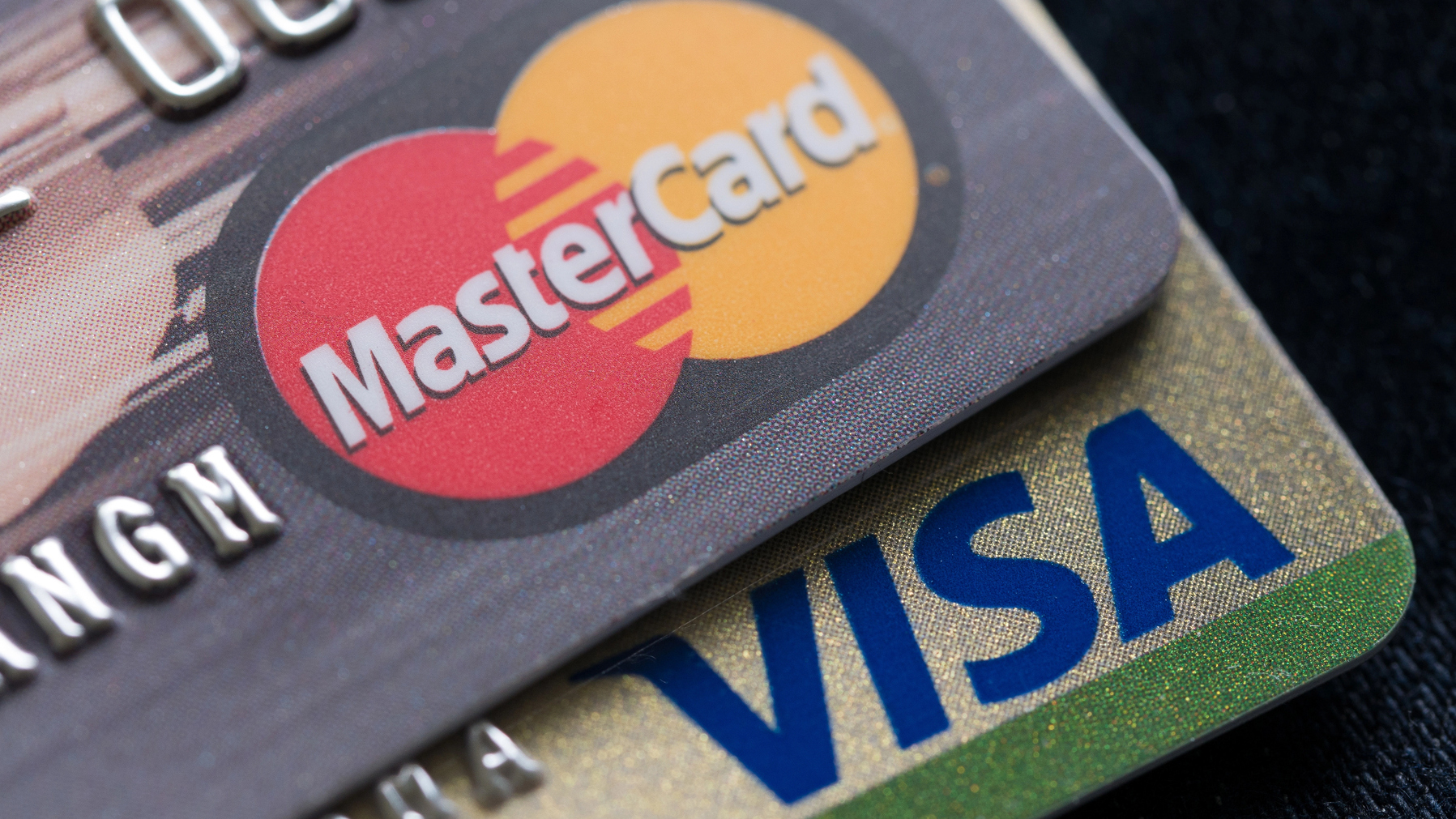
According to the ECB, in 2022 nearly two thirds of card transactions in the eurozone were accounted for by Visa and Mastercard. Thirteen member countries had no national alternative. EPI — a consortium of 16 European banks and fintechs, including BNP Paribas and Deutsche Bank — presented the mobile service Wero in 2024. It now has 48.5 million users in Belgium, France and Germany, and is preparing to expand functionality to online and offline payments by 2027.
What the authorities say
"We are very dependent on international [payment] solutions. Yes, we have good national assets, such as domestic [card] schemes... but we have nothing cross‑border. If we say that independence is so important, and we all know it's a matter of time... we need urgent action."
— Martina Weimert, chief executive of the European Payments Initiative (EPI)
"The EU must create its own alternative to payment systems."
— Christine Lagarde, President of the European Central Bank
Digital euro vs private initiatives
Alongside private projects, the ECB is promoting the idea of a digital euro as an element of monetary sovereignty. This could become the "foundation" on which an equivalent to Visa or Mastercard might later be built, says Avrora Lalyuk, chair of the European Parliament's Economic Committee. At the same time, some lenders fear that a central bank digital currency could undermine private‑sector initiatives — the vote in the European Parliament on this issue promises to be tense and likely decided by a narrow margin.
"The digital euro can provide 'a foundation on which, after consolidation, it might potentially be possible to build the equivalent of a European Visa or Mastercard.'"
— Avrora Lalyuk, chair of the European Parliament's Economic Committee
What this means for Ukraine
For Ukraine, strengthening European payment autonomy has several practical implications: first, it reduces the risk that cross‑border payment channels could be used as instruments of geopolitical pressure; second, it simplifies the integration of Ukrainian businesses into the EU's single payment infrastructure; third, it opens opportunities for joint projects between Ukrainian fintechs and European partners. This is a chance to lock in the financial resilience of cooperation with the EU over the long term.
Conclusion
The move toward European payment solutions is not a fashion trend but a strategic decision with economic and security consequences. Expect political debates and phased implementation — from Wero to a possible digital euro. The question for the Ukrainian side: how to use this window of opportunity to strengthen payment integration and reduce vulnerabilities in our financial flows?