Bulgaria's prime minister resigns amid tax protests
Rosen Zhelyazkov submitted his resignation after two weeks of protests sparked by the draft 2026 budget proposing changes to taxes and social contributions. The resignation was announced ahead of a vote of confidence in the government.
By Oleg Bazylewicz
December 11, 2025 · 1 min read
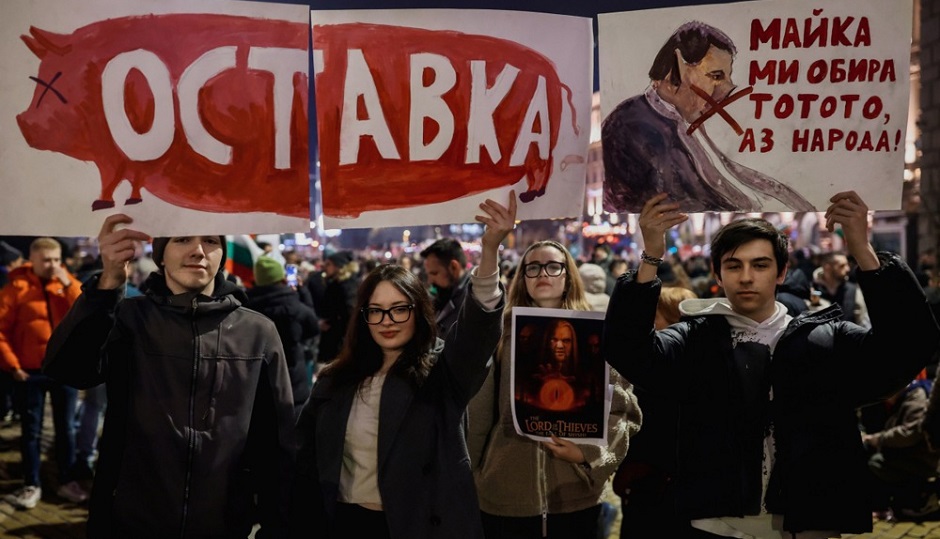
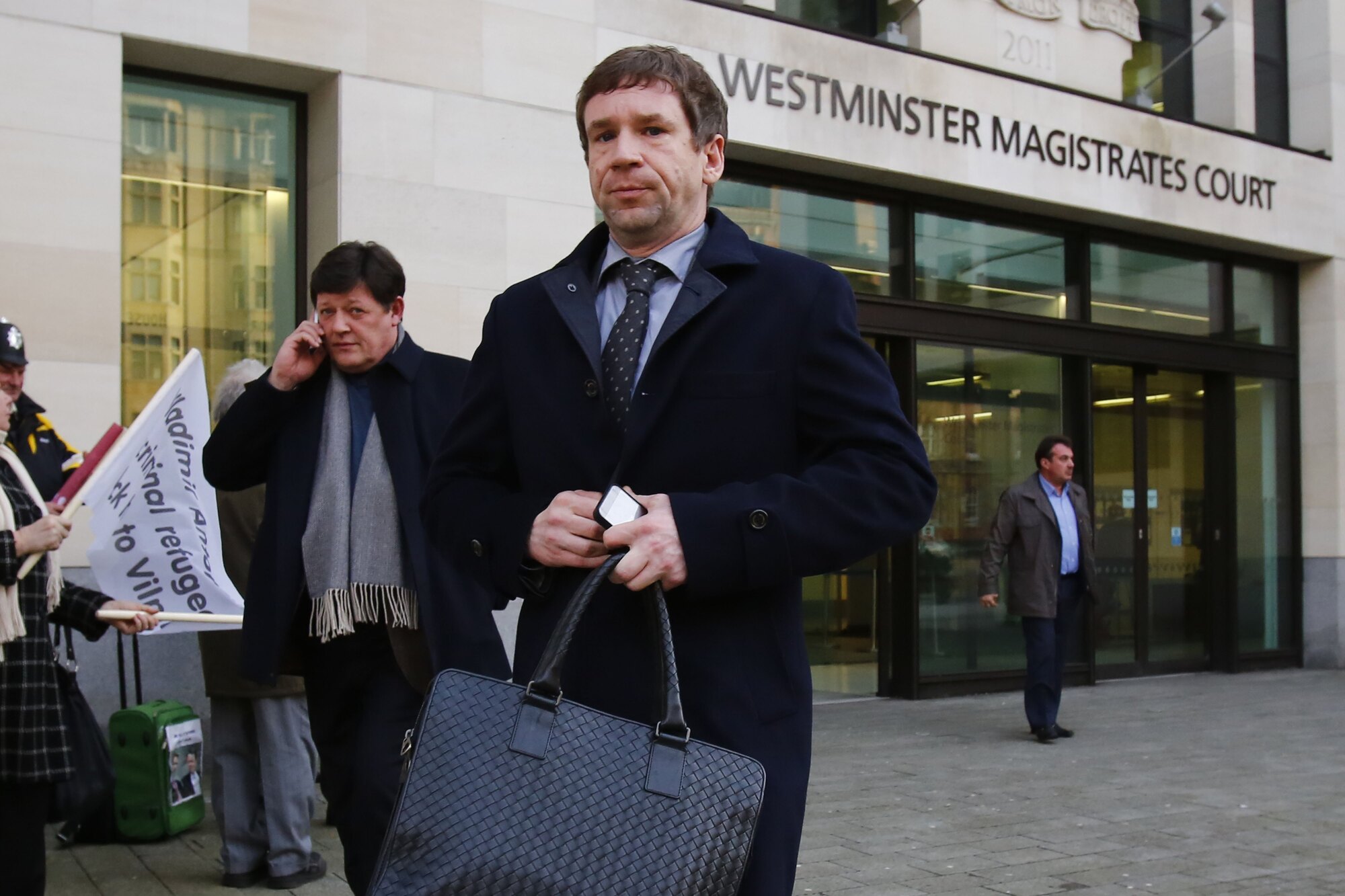
On 11 December Bulgarian Prime Minister Rosen Zhelyazkov submitted a resignation letter to the office of the National Assembly.
Submission of resignation
The decision to resign was the result of mass anti-government demonstrations that lasted about two weeks across the country.
Motives and scale of the protests
The protests were sparked by a draft budget for 2026, presented in November and later withdrawn. The draft envisaged tax increases and changes to the social security system for private-sector employees, as well as increases in wages and government spending.
Despite the withdrawal of the document, protesters demanded the government's resignation and radical changes in the way the country is governed.
Political consequences of the decision
At a briefing in parliament, Zhelyazkov said that citizens were demanding the resignation and expressed support for such activity.
The resignation was announced on the eve of a confidence vote in the Cabinet of Ministers. A day earlier, Boyko Borisov, leader of the GERB party, said the government would remain in place until the country's official switch to the euro on 1 January.
Zhelyazkov's cabinet had been in power since the beginning of 2025.
- The Council of the EU adopted the final decision to admit Bulgaria to the eurozone from 1 January 2026.
- European Central Bank President Christine Lagarde urged Bulgarians not to fear the transition to the euro, noting that the benefits outweigh the temporary inconveniences.