Verkhovna Rada ratified an agreement with Poland's BGK: acceleration of reconstruction and a new investment channel
Parliament has granted permission for Bank Gospodarstwa Krajowego to operate in Ukraine — we explain what will change for reconstruction projects, what safeguards to expect, and why this matters now.

By Tetiana Suchkova-Ladik
February 26, 2026 · 2 min read
Briefly — why this matters to you
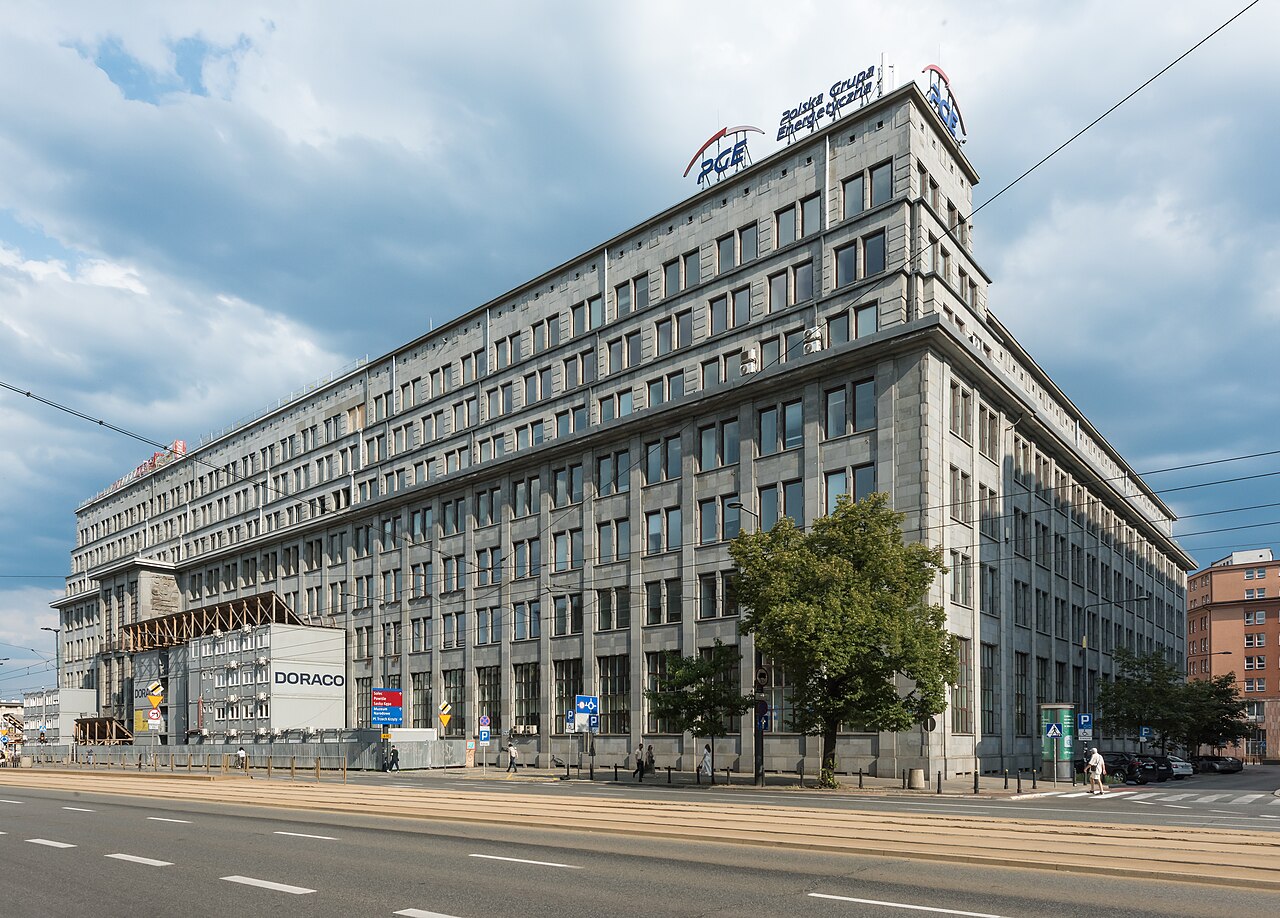
On 26 February the Verkhovna Rada ratified an agreement between the governments of Ukraine and Poland on the activities of the Polish Bank Gospodarstwa Krajowego (BGK) in Ukraine. 261 deputies voted in favor. This creates the legal foundations for BGK to operate as a donor and financial instrument focused on reconstruction and investment.
What the agreement provides
Activities and instruments. BGK will be able to provide the government, state and private institutions with financial and technical assistance in the form of loans, grants, guarantees and export support for recovery and development projects identified in cooperation between Poland, Ukraine and BGK.
Legal regime. The same regulatory requirements that apply to ordinary banks in Ukraine will not apply to BGK and its representations; instead the bank will have obligations for transparent reporting — an annual report on implemented projects, volumes of financing and the directions of funds' use.
"It will be able to provide the government of Ukraine, state and private institutions and organizations with financial and technical assistance in the form of loans or other financial instruments, such as export support, grants or guarantees for the implementation of projects on Ukraine's recovery and development"
— Text of the agreement (signed 25 September 2025, Warsaw)
Context and consequences
Acceleration of reconstruction. BGK already opened a representative office in Kyiv in February 2025 to coordinate projects funded from EU funds. Formalizing its status allows for speeding up the signing of loan and guarantee mechanisms, which has a direct impact on timelines for rebuilding infrastructure and launching new investment projects.
Mobilizing additional resources. The presence of a Polish state mechanism strengthens the investment platform between the two governments and allows Polish, Ukrainian and European funds to be combined for specific projects.
Questions of transparency and sovereignty. It is important that BGK will report on its activities — this is a safeguard. At the same time, in February 2026 Polish media reported that Poland is considering acquiring stakes in large Ukrainian state banks (Oschadbank, Ukreximbank), and BGK was mentioned among potential instruments alongside PKO and the Polish Development Fund. This signals that parliamentary decisions create both opportunities and reasons for close oversight.
Proof on the ground. Polish financial presence in Ukraine already exists: PKO Bank Polski operates through Kredobank, and BGK coordinates work with EU funds — this is not an isolated project but part of broader economic integration.
Conclusion
Ratifying the agreement with BGK is a pragmatic step to accelerate reconstruction and attract resources. However, effectiveness will depend on the specific contract terms, transparent monitoring and maintaining control over key financial institutions. Whether declarations will turn into real investments now depends on our negotiating teams and on how strict the reporting and audit mechanisms will be.