Rada rejected the law on revenue from digital platforms — part of the IMF program's conditions now in doubt
Money loves silence, but these figures are worth knowing: a failed vote could jeopardize the implementation of international standards and financial support.

By Tetiana Suchkova-Ladik
March 10, 2026 · 2 min read
The Verkhovna Rada's decision and its significance
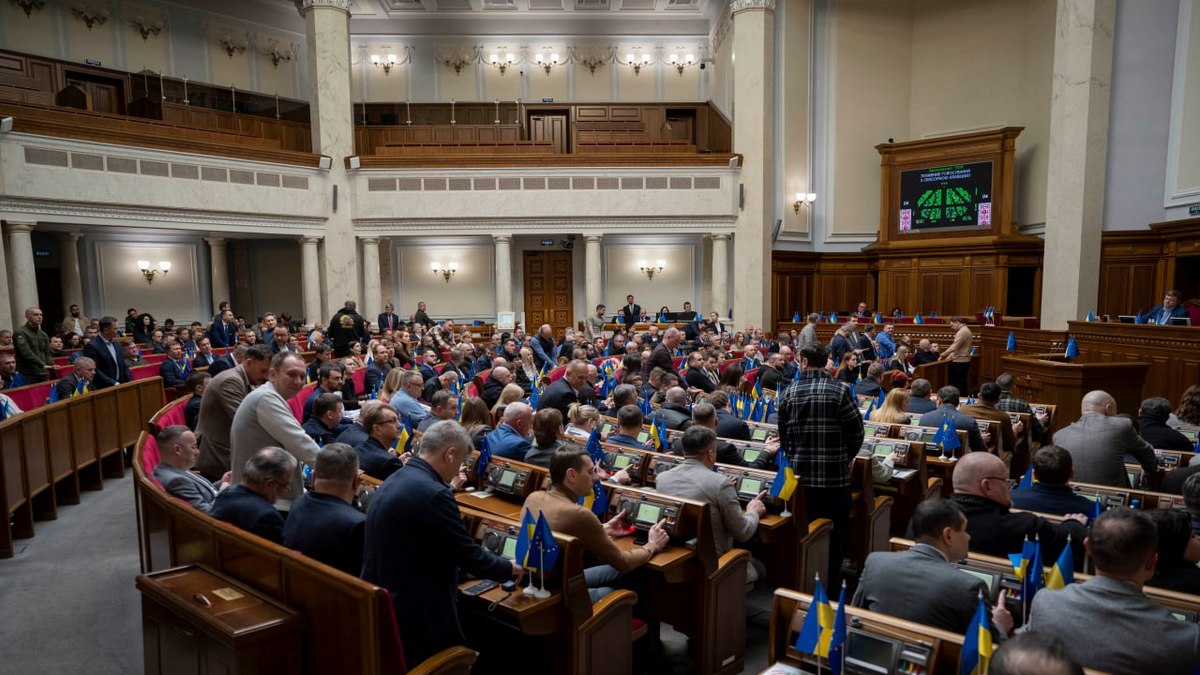
On March 10 the Verkhovna Rada did not support draft law No. 14025 on taxation of income received through digital platforms. 168 deputies voted in favor — not enough for adoption, so the bill was fully rejected. This decision affects one of the key elements of the new International Monetary Fund program for Ukraine.
Briefly about the bill
The document envisaged implementation of the OECD rules on reporting by operators of digital platforms and the provisions of Council Directive (EU) 2021/514. Operators (Airbnb, Uber, Bolt, Uklon, OLX, etc.) would have to identify seller-users and submit reports to the State Tax Service — effectively becoming tax agents so that users would largely not have to declare income themselves.
The system provided for two personal income tax rates: a preferential 5% and a general 18%. The preference would apply under a number of conditions: opening a separate bank account for platform income, having no hired employees, not trading in excise goods, and annual income up to UAH 6.7 million (834 minimum wages). Provisions were also foreseen for small sales and a tax-free minimum of UAH 38,500 per year.
"This draft law is not about introducing some taxes. This draft law is about granting relief to sales transactions. Today [de jure] every sold sock is taxed. We propose to introduce a relief of EUR 2,000 per person for such sales without any taxes, and if it exceeds that amount, it will pay 5% instead of 23%, as it is now"
— Danylo Hetmantsev, head of the Tax Committee
Support and objections
Some platforms, including Uklon, Bolt, Uber and Glovo, expressed support for the bill, while OLX criticized several provisions. Parliament did not obtain the required majority of votes, so implementation of international reporting rules has been postponed.
Consequences: what this means for the economy and partners' trust
The failure of the bill directly affects the fulfilment of one of the "milestones" in the IMF program for Ukraine. This is not only a technical taxation issue: it concerns the trust of international partners and the country's readiness to implement OECD standards and European legislation.
For platform users the consequences have two sides. On one hand, platforms acting as tax agents could simplify reporting; on the other, the introduction of new rules creates additional requirements for small online businesses and those who earn extra income from internet sales.
Now the government and parliament face a practical task: either to rework the initiative to find a political compromise that will secure sufficient votes, or to seek other mechanisms to implement the standards without losing the support of international partners. Whether this will change lawmakers' approach will be decided in upcoming sessions, but time and international trust are limited resources.