Sudden Demand in Nuuk: How Interest from American Buyers Sped Up Vetting of Foreign Investments in Greenland
Sudden enquiries from American buyers, after echoes of Donald Trump's politics, prompted the Greenlandic parliament to fast‑track legislation to screen foreign investments. The issue is simultaneously about security, housing affordability and economic autonomy — we break it down by the facts.

By Tetiana Suchkova-Ladik
February 26, 2026 · 2 min read
What happened
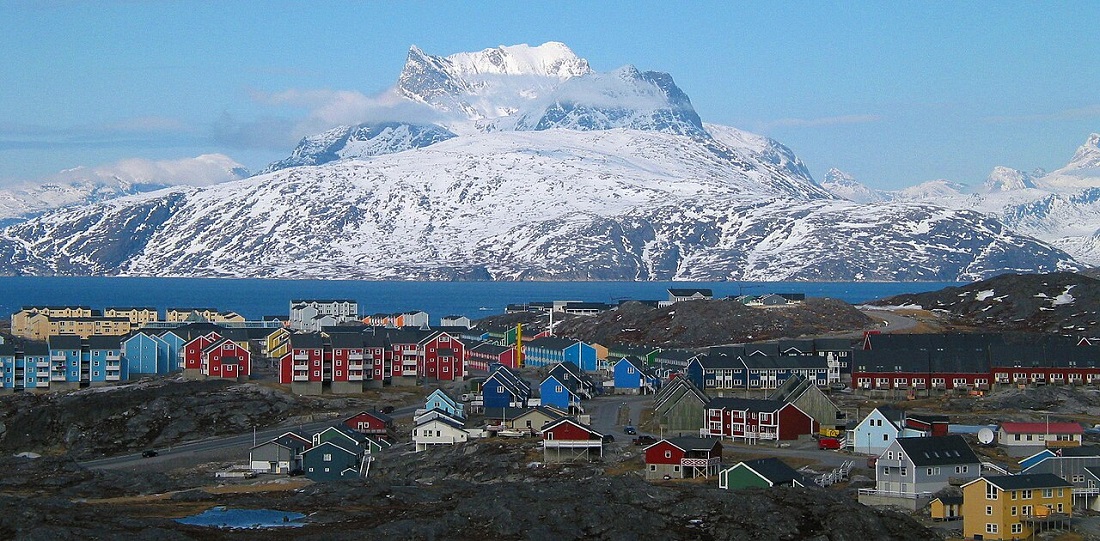
According to Reuters and informed sources, in early 2025 the number of inquiries to buy property in Nuuk from American buyers sharply increased. Lawyers and real estate agencies began receiving such requests just as political rhetoric around Greenland from Trump took on a new tone.
Lawmakers’ reaction was swift: already last year the capital introduced temporary restrictions on property purchases, and a long-prepared bill on screening foreign investments shifted emphasis and was reintroduced for consideration.
Why it matters — security and housing
At stake are two interconnected interests: preserving housing affordability for local residents and protection against external influences that can have not only economic but also political consequences. According to three Reuters interlocutors, it was fears of displacing local residents and possible political motives of investors that alarmed lawmakers.
"The most aggressive of them wanted to buy everything that was available on the market"
— a Reuters interlocutor, a lawyer/agent from Nuuk
What the bill proposes
The document, which is to undergo a re-examination in April, requires foreign investors to disclose the origin of funds and gives authorities the right to reject deals if political connections are found or there is a threat to national security. Investments in critical infrastructure, IT, mineral extraction, hydroelectric power and state-owned companies will be subject to review.
The law does not name specific countries but calls for cooperation with "trusted allies," which effectively means a differentiated approach to American and European investments compared with Chinese ones.
"We are very interested in cooperating with American investors, but not in a way where they try to advance certain political goals"
— Aġġalu Yerimiassen, a member of the Atassut party
Context and consequences
Analysts note: for small jurisdictions like Greenland, a sudden surge of interest from a major partner is not only an economic opportunity but also a risk of strategic capture of important assets. At the same time, the government stresses that the temporary restrictions on property purchases were a preventative measure to protect housing affordability, not a response to specific incidents.
Also important: the US military presence on the island formally remains under Denmark’s control, so the new legislation concerns civilian investments within Greenland’s jurisdiction.
What this means for Ukraine
The Greenland case is a reminder for small and medium-sized states: formalized mechanisms for screening investments become a tool of sovereignty. For Ukraine, which is currently defending its own strategic infrastructure, it is another argument in favor of clear rules for attracting capital — so that investments come with guarantees of transparency and security.
Summary
The decision of Greenland’s lawmakers is not about isolating from foreign capital, but about balance: openness to investment conditional on transparency and protection of local interests. Attention now turns to how exactly the screening mechanisms will operate — declarations must become real instruments of control.