Reprofiling of UAH 145.2 billion in inflation-linked government bonds possible in 2026
The adopted budget gives the Finance Ministry the right to swap government bonds held by the National Bank of Ukraine. The central bank will agree only to a partial operation; talks are underway to exchange inflation-indexed OVDPs of 2017 with a nominal value of UAH 145.2 billion for new securities with a more favorable rate.

By Tetiana Suchkova-Ladik
December 4, 2025 · 2 min read
Reprofiling in 2026
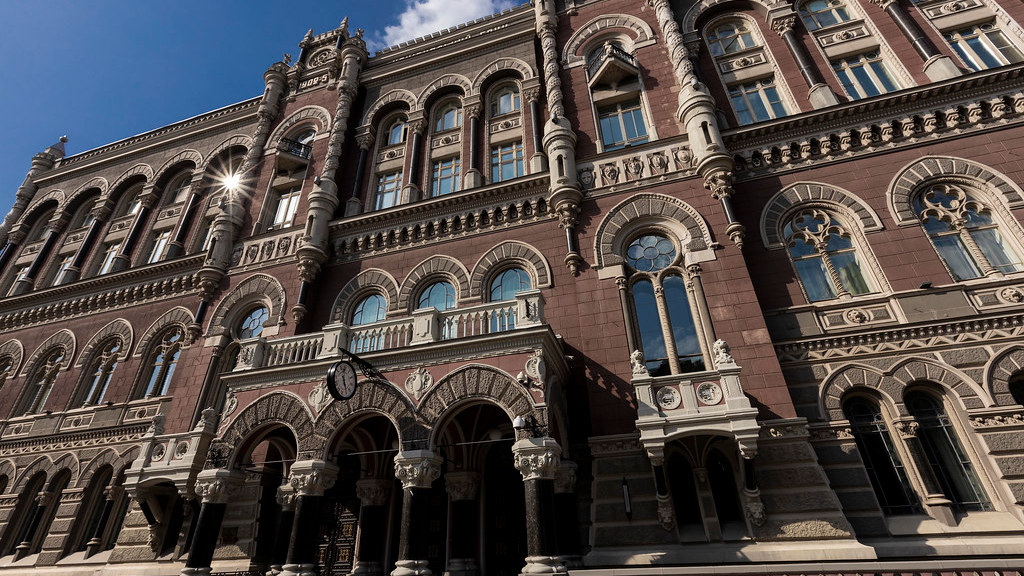
In 2026 Ukraine has the opportunity to carry out a reprofiling of inflation-linked domestic government bonds (OVDP) with a nominal value of UAH 145.2 billion. The Law on the State Budget grants the Ministry of Finance the authority, subject to a Cabinet of Ministers decision, to exchange bonds held by the National Bank for new securities on terms agreed with the NBU.
The NBU's position
The National Bank is willing to agree only to a partial exchange of OVDP. As of 1 January 2026 the nominal value of the OVDP portfolio owned by the NBU is projected at UAH 664.5 billion. Under the proposal in the budget documents, even amortization of the new papers over 50 years would yield an annual burden of about UAH 13.3 billion, but the NBU considers such terms disadvantageous.
Annual redemption of the current portfolio of OVDP held by the NBU in 2026–2032 will range from UAH 11 billion to UAH 12.3 billion; therefore the National Bank does not see it appropriate in the next five years to enter into the transaction on the specified terms due to possible negative consequences for the NBU (losses and/or a significant reduction in NBU income), which would lead to a reduction in transfers to the state budget of the portion of the NBU's profit subject to distribution.
– National Bank
At the same time, the NBU and the Ministry of Finance are working on a smaller-scale exchange: this concerns inflation-linked OVDP issued in 2017 with a nominal value of UAH 145.2 billion. The aim is to replace them with new papers carrying a coupon rate that would make the operation break-even for the NBU while also reducing the budget's coupon-payment expenses.
Origin of the inflation-linked papers
- The inflation-linked OVDP entered the NBU's portfolio during the previous reprofiling in 2017, when the state exchanged bonds with a face value of UAH 219.6 billion maturing in 2017–2030 for new papers maturing in 2025–2047.
- At that time the interest rate on most of the portfolio (UAH 145 billion, or two-thirds of the total) was linked to inflation, which increases the state budget's expenditures as prices rise.