Russia Prepares 10% Budget Cut — What It Means for the War and Ukraine’s Security
Reuters reports that the Russian Finance Ministry has ordered agencies to prepare for roughly a 10% cut in spending. These are not just budget figures — they are a marker of deeper financial strain already being felt under sanctions and could change the Kremlin’s ability to sustain the war over the long term.

By Tetiana Suchkova-Ladik
March 11, 2026 · 2 min read
What happened
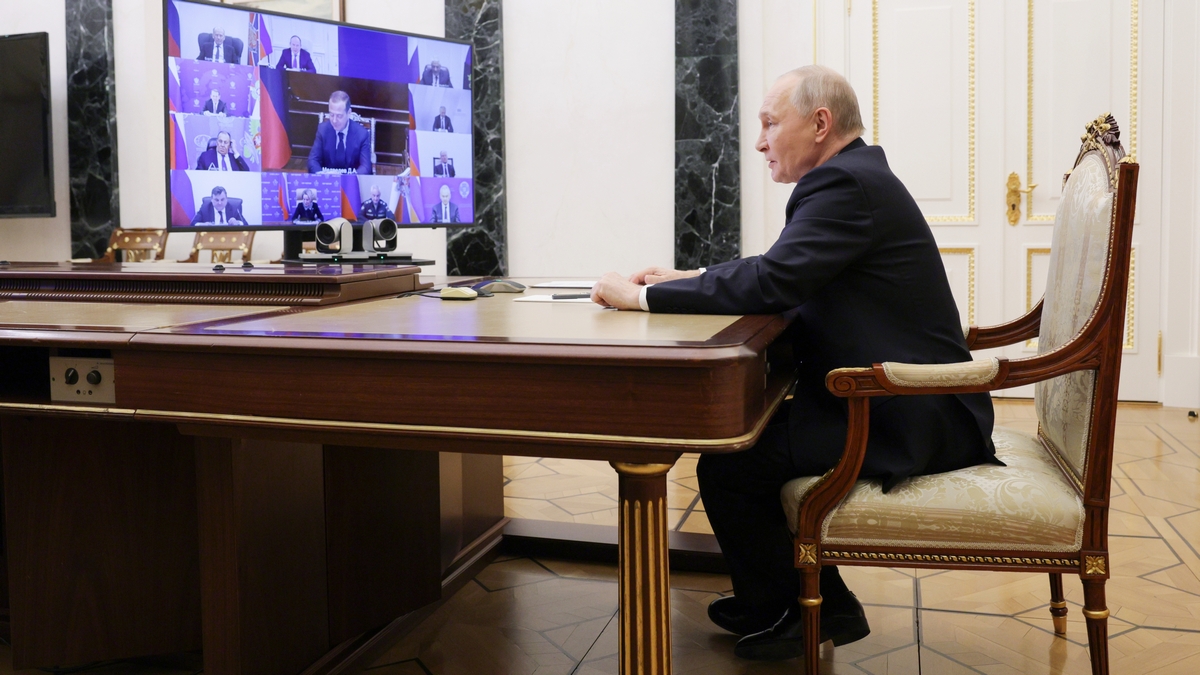
According to the Reuters agency, the Russian Ministry of Finance has informed budget managers of the need to cut expenditures — roughly by 10%. Reuters’ sources say the cuts will mainly affect "non-essential" spending items: new projects, construction, road repairs and other capital expenditures that can be put on pause.
"The Ministry of Finance informed the departments that distribute budget funds of the need to cut spending. Now they are thinking about what exactly to slash"
— Reuters source (anonymous)
Why it matters
Reportedly, this decision will not touch politically sensitive military and social spending (salaries, pensions). But postponing infrastructure and capital expenditures — logistical projects, road repairs, construction — gradually undermines mobility and operational logistics. This matters for Ukraine: prolonged financial fatigue in Russia reduces its ability to carry out large-scale resource mobilization over the long term.
The final decision will depend on oil prices: Reuters notes that a short-term rise in prices (including due to the war in Iran) could soften the need for cuts. Several independent sources — from the Washington Post to Ukrainian intelligence — have warned about the depletion of internal reserves and the growing vulnerability of the Russian economy.
What analysts and partners say
"Russia is on the brink of a financial crisis comparable to that of 1998"
— David O'Sullivan, EU Special Representative for Sanctions
Analysts agree: even if Moscow formally "protects" military spending, overall weakening finances amplify the pressure of sanctions and problems in the banking system. Ukrainian intelligence noted signs last autumn of exhaustion of the "reserve of strength," and international media pointed to a significant reduction in reserves.
Consequences for Ukraine
In the short term — this does not mean an immediate breakthrough on the front: budget priorities may preserve key army funding. However, in the medium and long term, lower investment in infrastructure and the economy weakens Russia's ability to sustain a prolonged war machine. That gives Ukraine space for a strategy that combines pressure on the front with international sanctions and financial pressure.
Key point: the budget cuts are a symptom, not a cure. They confirm the trend intelligence services and journalists have warned about: sanctions, war spending and depleted reserves are creating a structural problem for the Kremlin.
Now it's up to partners: will international sanctions and diplomatic pressure turn temporary fluctuations in oil prices into systemic pressure that leads to a more sustained weakening of Russia's capabilities? The answer to that question will determine the strategic security horizon for Ukraine.