Russia in a decade of stagnation — what it means for Ukraine's security and economy
The Kremlin for the first time acknowledges systemic stagnation: declining GDP, deficits, and losses in oil and gas revenues. We analyze why this matters for Ukraine and what opportunities it offers our partners.

By Tetiana Suchkova-Ladik
January 9, 2026 · 2 min read
According to intelligence
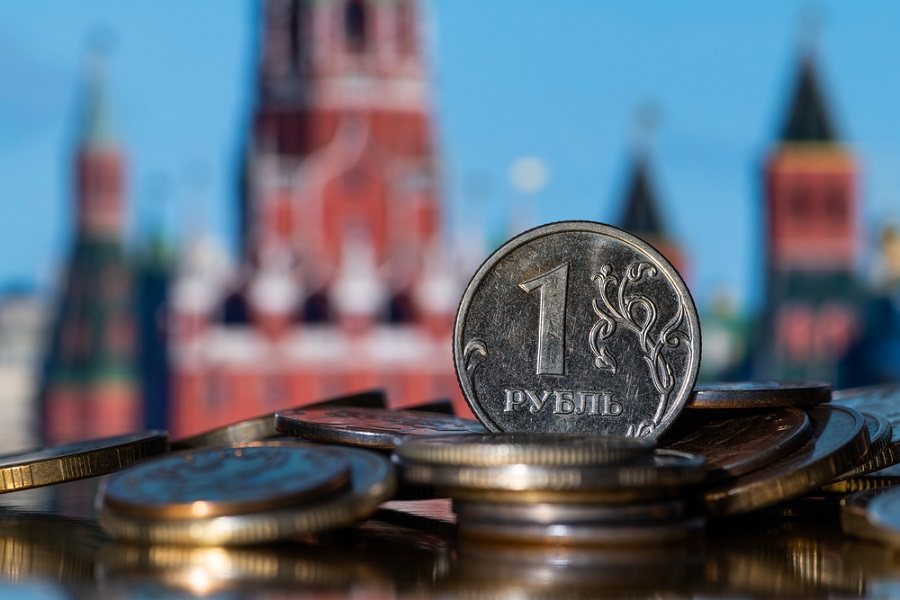
The Foreign Intelligence Service records that Russia's economy has entered a state of stagnation. After 4.5% GDP growth in the fourth quarter of 2024, growth slowed to 1.4% in the first quarter of 2025, then to 1.1% in the second quarter and only 0.6% in the third quarter. Official rhetoric wraps this in terms of "planned cooling," but the figures point to a different picture: budget deficits are felt both at the federal level and in the regions.
"Such a trajectory means not temporary difficulties, but a deep and prolonged degradation of the economy. Russia is entering a decade where recovery looks unlikely and financial losses are inevitable."
— The Foreign Intelligence Service
Key drivers of the problems
One of the central factors is the drop in oil and gas revenues: by estimates, they will fall by approximately 43% from 2019 levels. That means not only less money in the budget, but also constrained ability to finance large state programs, infrastructure and — critically — defense at its current scale.
What this means for Ukraine
First, prolonged economic stagnation weakens the aggressor's resource base: declining revenues make long-term financing of large-scale military projects and procurements more difficult. Second, deficits and economic pressure raise the risks of internal instability and intensified repression — this alters scenarios but does not make war impossible. Third, for Ukraine this is an opportunity: international sanctions and diplomatic pressure have more time to strike the Kremlin's financial levers more effectively, while partners can step up support as Russia's resources shrink.
Practical consequences and recommendations
Analysts point to three practical consequences: 1) a reduced ability of the Kremlin to quickly replenish losses; 2) increased competition for limited resources within the elites; 3) possible overstrain of regional budgets, which reduces the logistical base for sustained operations. For Ukraine and its partners the logic is simple: maintain sanctions and financial pressure, strengthen Europe's energy diversification and scale up military-technical assistance that turns the opponent's economic weakness into a strategic advantage.
Conclusion
The numbers indicate not a temporary downturn but a structural problem: Russia is entering a period when recovery will be long and costly. For Ukraine this is not a guarantee of a quick victory, but an opportunity for consistent political and economic work with partners. It is now important that declarations of solidarity be turned into long-term plans and funding that strengthen our security and economic resilience.