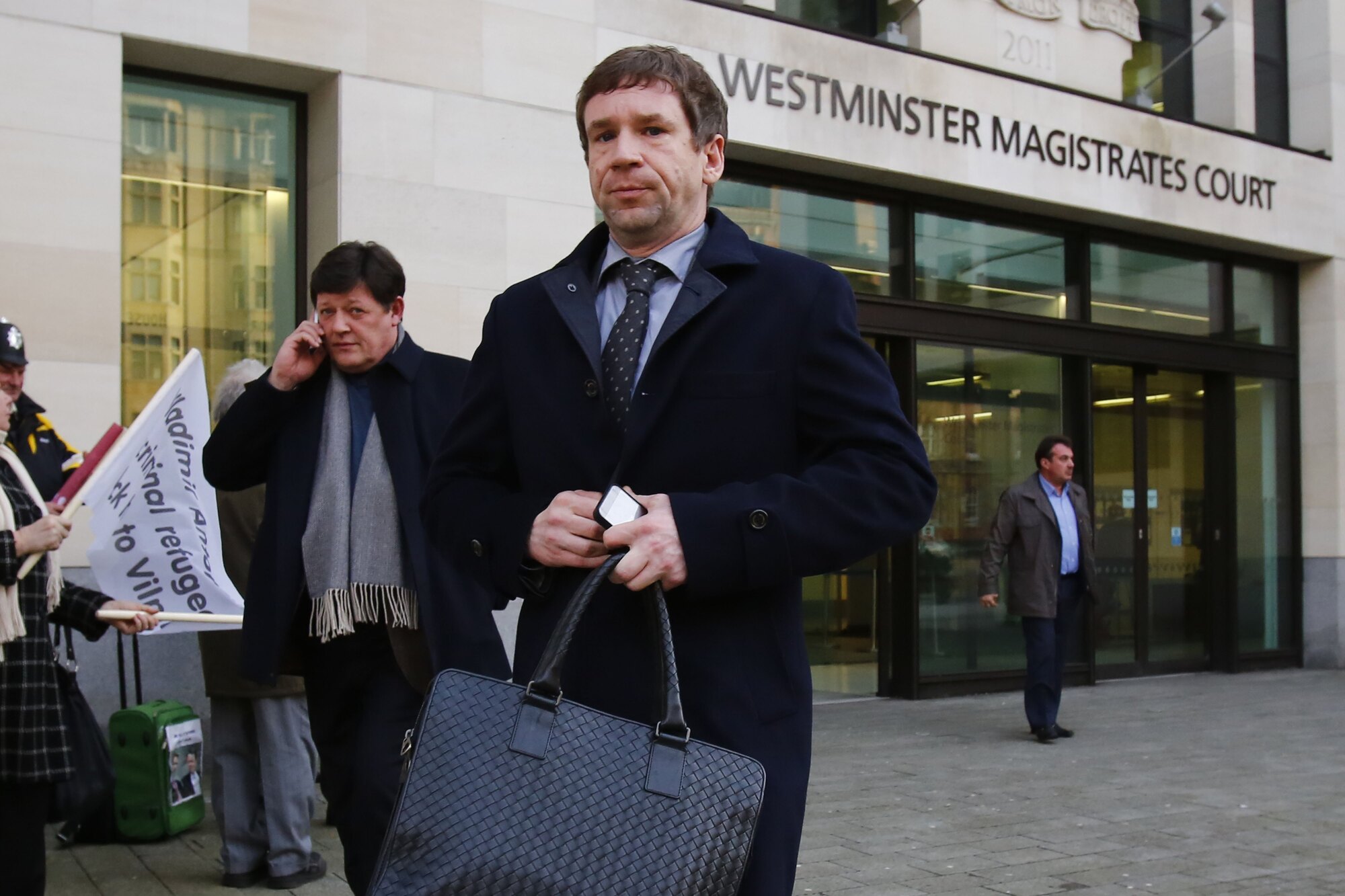
Trump commuted David Gentile's sentence after fraud conviction
U.S. President Donald Trump commuted the sentence of former GPB Capital manager David Gentile, who was convicted in a sprawling financial fraud. Gentile spent less than three weeks in prison; the case involved losses by more than 10,000 investors totaling $1.6 billion.

By Tetiana Suchkova-Ladik
December 1, 2025 · 2 min read
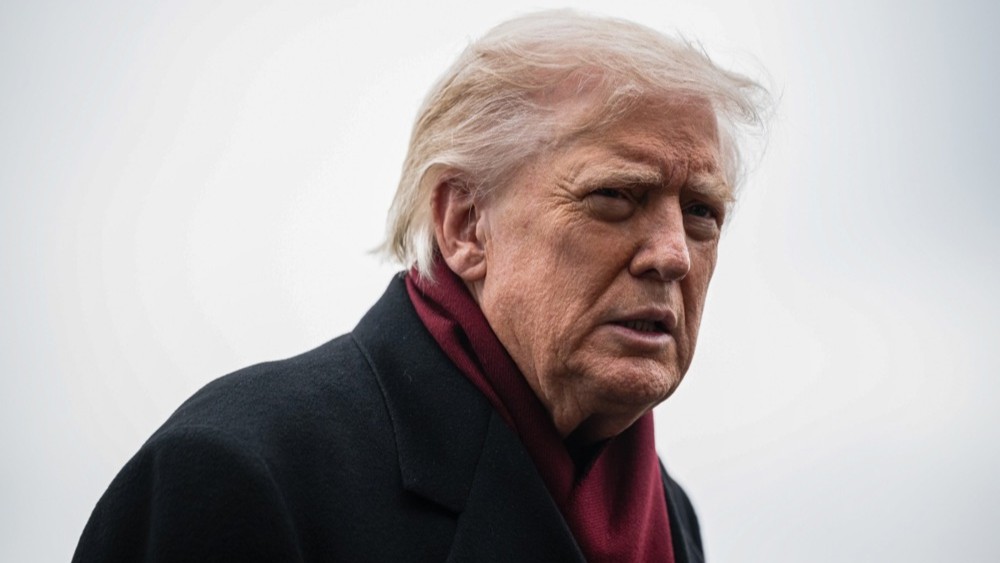
President Donald Trump has come under fire after commuting the sentence of former investment manager David Gentile, who served less than three weeks in prison after being sentenced for a major fraud.
Charges against Gentile
The Justice Department accused Gentile and his partners of a scheme that caused losses to more than 10,000 investors. Investigators say the responsible parties falsified the performance results of three private equity funds.
"Gentile and his co-defendant Jeffrey Schneider raised approximately $1.6 billion from individual investors based on false promises of investment returns from the profits of portfolio companies, while using investor capital to pay distributions and create a false appearance of success."
– Joseph Nocella Jr., U.S. Attorney for the Eastern District of New York
About the sentence and release
Gentile was convicted in August 2024 and in May 2025 was sentenced to seven years in prison. He was taken into custody on November 14, but was released on November 26 — having served less than three weeks of his sentence.
A commutation of sentence, unlike a full pardon, does not erase all legal consequences of the conviction.
Reaction and criticism
Mr. Trump’s decision is another example of controversial pardons and commutations. After returning to office in January 2025, the president has regularly used his pardon power to benefit political allies, donors and supporters, including hundreds of people charged in the January 6, 2021, riots.
On social media the news drew sharp criticism, with users pointing to possible double standards in the administration’s approach to different offenders.
"Trump will deport an Afghan living in the U.S. with temporary protected status if he’s accused of stealing $1,000. But he’ll free a white guy convicted of stealing $1.6 billion from American citizens so he can commit even more crimes."
– Rep. Sean Casten of Illinois
- Gentile, the former CEO and co-founder of GPB Capital, was taken into custody on November 14 and released on November 26. In May 2025 he was given a seven-year prison sentence following his conviction in August 2024.