EU criticizes Belgium over lack of transparency on taxation of Russian assets
Western diplomats accuse Belgium of reluctance to disclose how tax revenues from frozen Russian reserves are being used, making it harder to verify whether its commitments to Ukraine are being met.

By Oleg Bazylewicz
November 28, 2025 · 1 min read
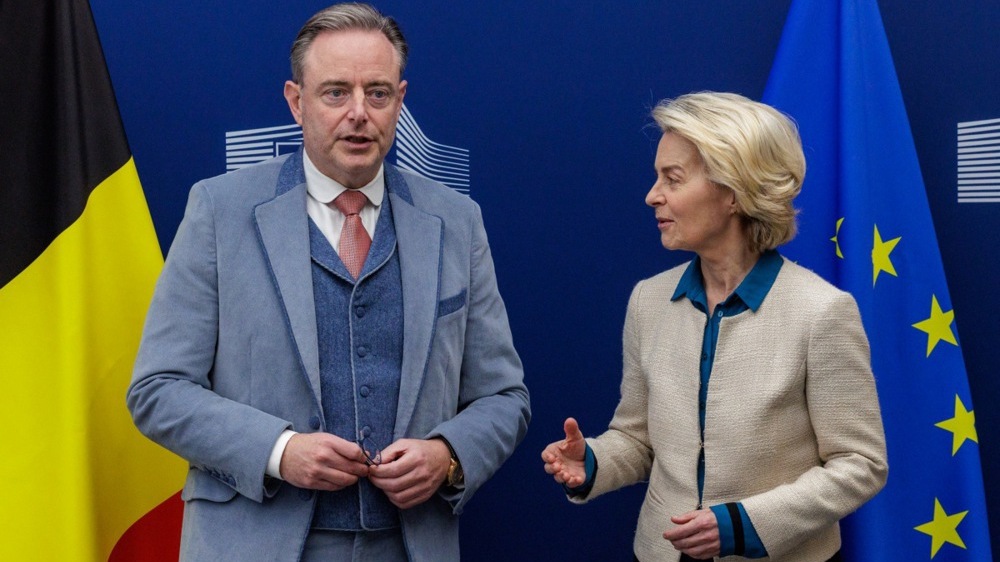
Western diplomats say the EU has complaints against Belgium over a lack of transparency in handling taxes generated from frozen Russian assets.
Diplomats' complaints
Five representatives from different European countries say Belgium may have a hidden motive to retain these funds, as they generate significant tax revenues.
In their assessment, Brussels is breaching last year's international commitment to disclose data on the use of taxes from frozen reserves. Taxes continue to be credited to Belgium's state budget, making it impossible to verify whether all obligations to Kyiv have been met.
Diplomats also expressed doubts about whether the windfall tax revenues will actually be transferred to Ukraine, and stressed the security risks for Europe if decisions are delayed.
Financial assessments and positions
Experts say that tax revenues are difficult to track. The Kiel Institute estimates Belgium's total obligations to Ukraine at €3.44 billion for the period from the start of the war to 31 August 2025, while tax revenues from Russian assets in 2024 amounted to about €1.7 billion.
The Belgian government said that taxes from frozen Russian reserves were directed to support Ukraine, while not specifying whether all the funds have already been transferred.
In 2024, a number of Western countries accused Belgium of using part of these tax revenues to cover ordinary state budget expenditures. The previous government promised to transfer these receipts to an EU and G7 financial mechanism for Ukraine, but this has not been done.
Belgian Prime Minister Bart De Wever told the leadership of the European Commission that adopting a reparations loan mechanism based on frozen Russian assets could complicate the signing of a peace agreement between Ukraine and Russia.
- On 10 September the European Commission proposed the idea of a reparations loan of up to €140 billion, calculated on the basis of the remaining frozen Russian assets.
- Under such a loan, Ukraine could receive roughly €45 billion annually in 2026–2028.
- On 23 October the decision on the reparations loan was postponed until December.