Moldova blocks $107 million in crypto assets for pro‑Russian networks
Law enforcement has seized cryptocurrency assets worth $107 million that, according to authorities, were intended to finance pro‑Russian parties and influence networks. A Kyiv statement also describes a wide‑ranging Russian operation and steps to protect electoral systems.

By Tetiana Suchkova-Ladik
December 8, 2025 · 1 min read
Blocked crypto assets
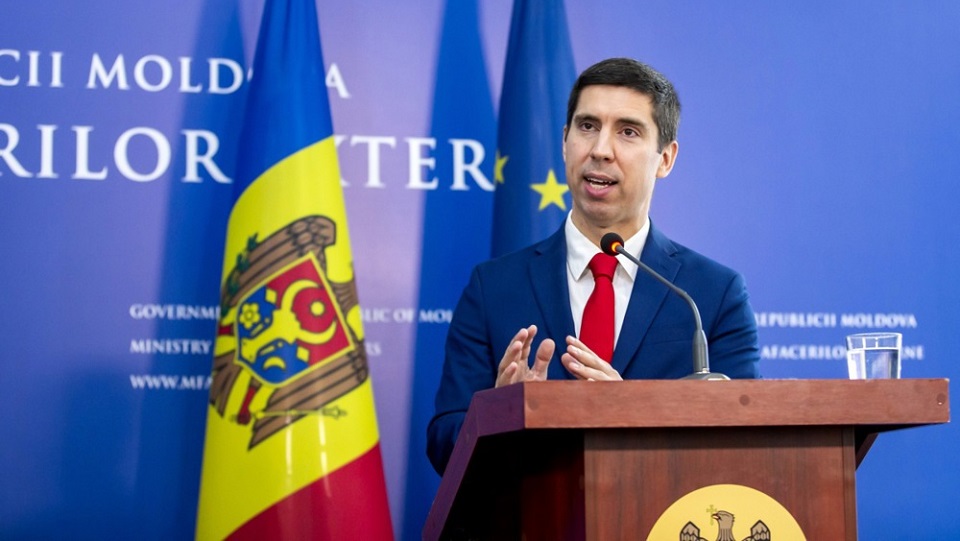
In Moldova, law enforcement authorities have blocked cryptocurrency assets equivalent to $107 million that, according to the authorities, were intended to finance pro‑Russian parties and influence networks. This was announced by Deputy Prime Minister and Minister of Foreign Affairs Mihai Popșoi during a speech at the Hudson Institute in Washington.
A real tsunami
– Mihai Popșoi
Popșoi warned that free access to such funds could cause serious political and economic destabilization in a small country.
He also emphasized that the amounts of funding being invested to undermine stability are comparable to state spending in key areas. In addition to $107 million in cryptocurrency, he said tens and hundreds of millions of lei were directed to support pro‑Russian parties, pay for protests, and fund networks of influence.
Kremlin influence campaign
The minister described these actions as part of a large‑scale Russian campaign against Moldova, involving the purchase of political influence, the organization of protests, and the use of complex cryptocurrency schemes.
Moldova has become a testing ground for the Kremlin's hybrid tactics
– Mihai Popșoi
According to Popșoi, the government has strengthened protection of the information space and electoral systems in cooperation with the US, the EU and Romania. This, he said, made it possible to prevent a scenario in which systems could have been taken offline on election night to discredit the results.
- In September, presidential elections were held in Moldova: Maia Sandu was re‑elected to lead the country for a second term, securing over 50% of the vote.
- On October 24, the president appointed investment banker Muntianu as prime minister; he worked in Ukraine for a long time.
- At the beginning of December it was announced that Moldova, like Ukraine, will turn to the International Monetary Fund for a new program; the new prime minister described the program as a vote of confidence in the country.