Attacks on energy infrastructure led to a 1.4% drop in GDP in January — what it means for the economy
Money loves silence, but these figures are worth knowing: massive attacks on the energy system in January 2026 reduced economic activity and heightened pressure on micro- and small businesses. We examine who will lose the most and which recovery scenarios are realistic.

By Tetiana Suchkova-Ladik
February 19, 2026 · 2 min read
Main
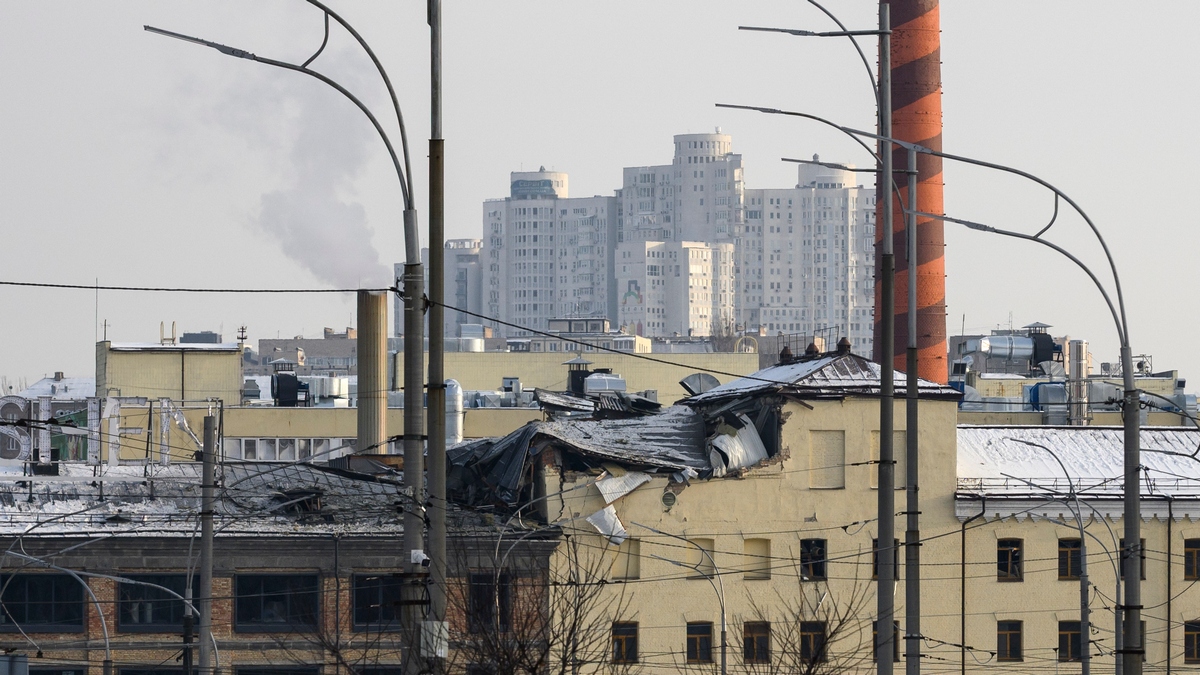
The Institute for Economic Research and Political Consulting (IED) reported on 18 February that Ukraine’s real GDP in January 2026 likely fell by 1.4% compared with January 2025. This is a direct consequence of massive strikes on energy infrastructure and prolonged power outages that paralyzed parts of industrial and infrastructure activity.
"According to our estimates, real GDP in January fell by 1.4% year‑on‑year. The estimate may be revised upward if actual data show that the economy was more resilient to the energy shortfall"
— Institute for Economic Research and Political Consulting (IED)
Who has been hit hardest and why
Large cities, particularly Kyiv, were hit hardest: power and heating outages complicated the operation of offices, shops and services. Micro and small businesses proved especially vulnerable — they have fewer reserves and less ability to withstand downtime (lost income, spoiled goods, halted services). Large companies have more resources for backup power and logistical workarounds, so their decline was less pronounced.
Context and forecasts
The State Statistics Service recorded that real GDP in Q4 2025 grew by 3.0%, which is close to the IED estimate of 3.3%. However, the start of the year under energy pressure reduced momentum. The National Bank of Ukraine (NBU) believes recovery is possible provided higher harvests, investments in rebuilding infrastructure and expansion of defense-sector capacities; in such a scenario GDP growth in 2026 could be moderate — around 1.8%, and in 2027–2028 — up to 3–4%.
"A gradual improvement in the energy sector, reconstruction of infrastructure, and an increase in private investment could accelerate economic growth"
— National Bank of Ukraine (NBU)
What this means for citizens and businesses
In short: the drop in economic activity in January means lower revenues for some businesses and temporary pressure on employment in affected sectors. For the Ukrainian household, this is most often felt as reduced availability of services, possible disruptions in the service sector, and delays in goods deliveries.
Conclusion
A drop of 1.4% is a signal, not a sentence. It highlights the economy’s vulnerability to attacks on energy infrastructure and underscores the need for rapid rebuilding, modernization of the energy system, and an inflow of investment. If partners bolster financial and technical support and state policy facilitates the swift restoration of networks and enterprises, a moderate recovery as early as 2026 is a realistic scenario. But the question remains open: will there be enough resources and coordination to turn an emergency downturn into the start of stable growth?