Ukraine risks losing €2.3bn in 2025 — which indicators the Rada is stalling and why it matters
Analysis by the RRR4U consortium: nine Ukraine Facility indicators were not met in Q4 — a total shortfall of €3.6 billion for 2025. Parliament's decisions will now determine whether these funds will go to reconstruction or be lost due to deadlines.

By Tetiana Suchkova-Ladik
December 30, 2025 · 2 min read
Briefly
The consortium of analytical centers RRR4U recorded that in Q4 Ukraine missed nine indicators of the macro-financial Ukraine Facility program at once. As a result, €2.3 billion is at risk; in total for 2025 the unmet indicators amount to more than €3.6 billion.
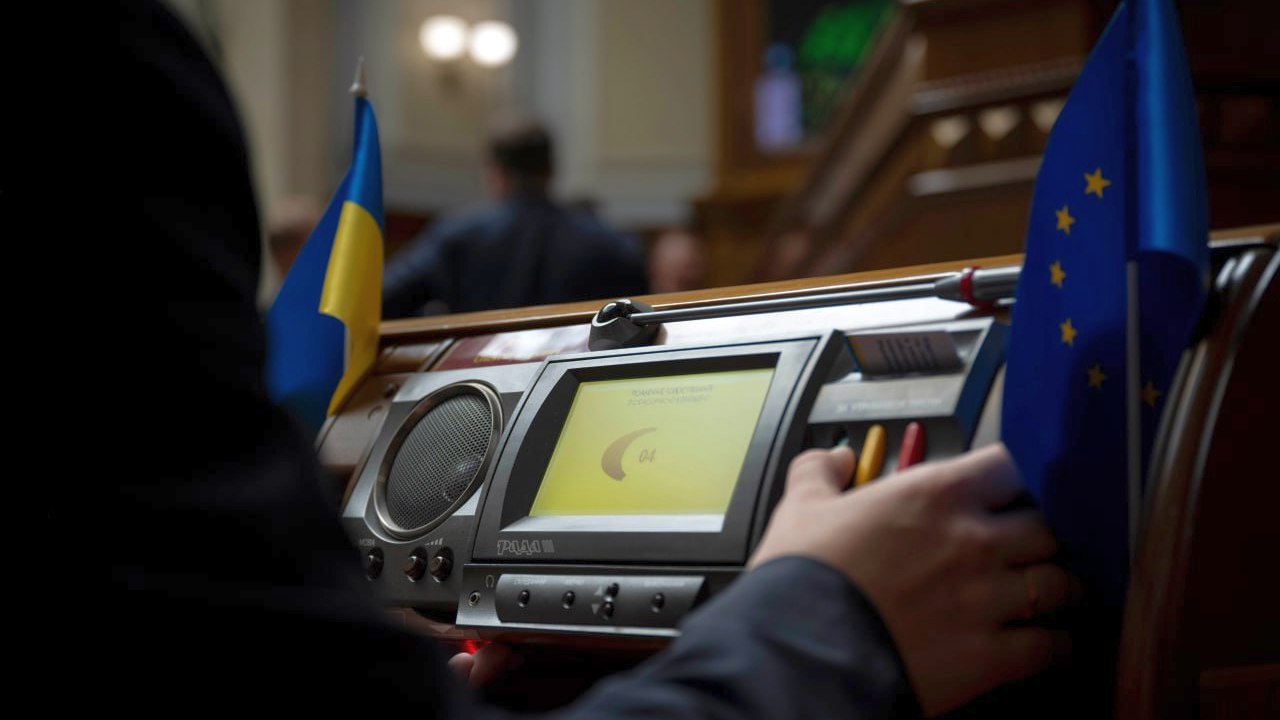
"The vast majority of these indicators are legislative initiatives, the adoption of which falls within the responsibility of the Verkhovna Rada of Ukraine, which underlines the importance of restoring the parliament's responsibility in ensuring Ukraine's full access to funding under the Ukraine Facility"
— RRR4U, consortium of analytical centers
What the numbers mean
The Ukraine Facility program was launched in 2024 and is planned through 2027 for up to €50 billion in grants and loans. About €32 billion is earmarked to support the reforms and investments set out in the Ukraine Plan. Payments under this scheme are tied to meeting specific indicators — legislative or administrative changes whose implementation is verified before tranche payments are released.
Why this matters to every Ukrainian
These funds are not abstract sums: they go to rebuilding infrastructure, modernizing the energy sector, supporting local investment and, indirectly, strengthening the country's economic and security resilience. Delays in reforms mean stopping concrete projects, a worse investment climate and a risk of higher reconstruction costs in the future.
Where the problem lies
RRR4U emphasizes that most of the unmet indicators are legislative initiatives that must be adopted by the Verkhovna Rada. Some requirements have been pending since the first quarter of 2025. The program's mechanics also provide that if a reform is not completed on time, the corresponding amount is withheld for up to 12 months — during that period it can be unlocked by implementing the changes; otherwise the funds are forfeited and will not be compensated.
What has been done and a brief background
On 22 December Ukraine received the sixth tranche under the Ukraine Facility in the amount of €2.3 billion. At the same time, RRR4U's analysis shows that a number of unresolved indicators remain that could halt further payments.
Scenarios for the coming months
There are three basic possible developments: the parliament adopts the necessary measures and the funds are unblocked; legislative delays trigger the 12-month period for correction — with the risk of project delays; or part of the transfers is irreversibly lost. Analysts and donors warn that losing even part of the funding would weaken both reconstruction plans and the signals of confidence from international partners.
Conclusion
This is not just a technical audit matter: it concerns real investments in security and the economy. The ball is now in the court of Ukrainian institutions — the government and the parliament — to ensure political disagreements do not cost the country billions of euros and slow the pace of reconstruction. Whether a compromise can be found in the national interest is a question on which the timing and scale of rebuilding will depend.