Ukrposhta Covered the Country with Cards, but the Bank is in Question: NBU Considers the Company's Financial Condition Critical
26,000 post offices now accept cashless payments — even in frontline villages. But an ambitious plan to transform Ukrposhta into a bank is being hampered by the regulator itself: losses over three years amount to 2.5 billion hryvnia, and PIN Bank, which was supposed to become the foundation, has been declared insolvent.

By Tetiana Suchkova-Ladik
May 12, 2026 · 3 min read
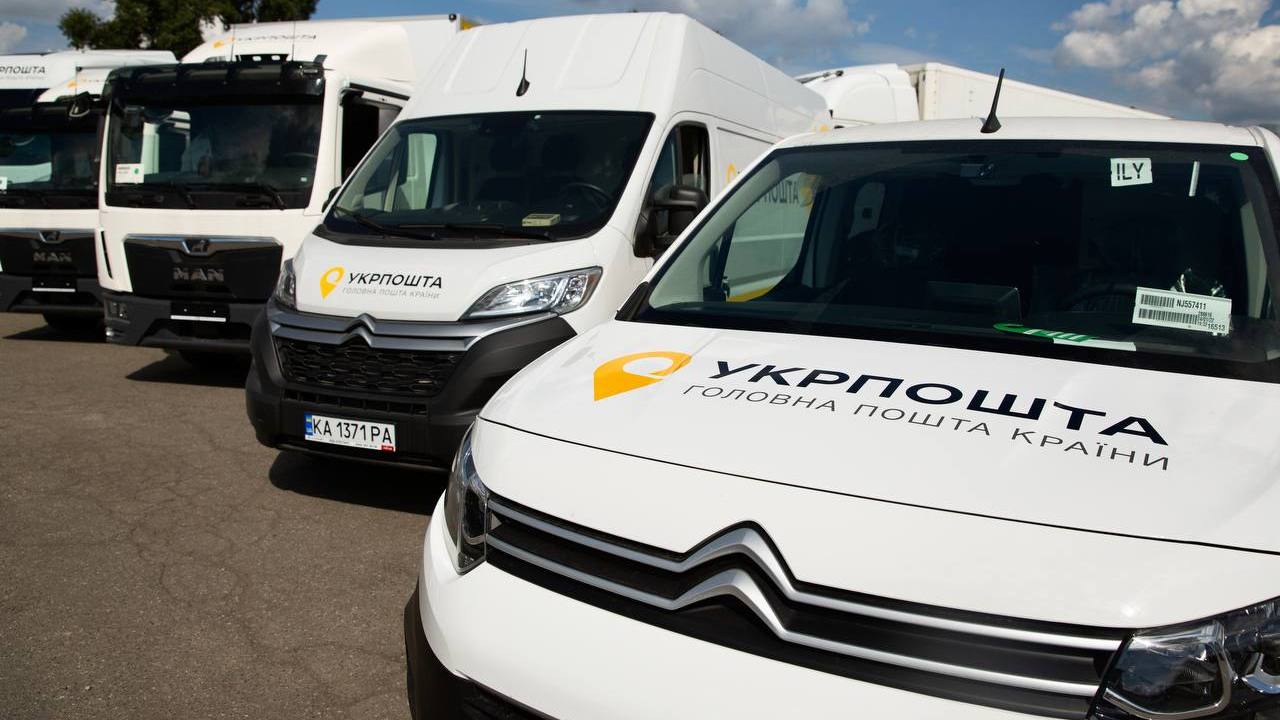
As of May 1, 2026, Ukrposhta has accepted card payments in all populated areas of the country — including the smallest villages and frontline zones. The service is available with connectivity: Visa, Mastercard, Apple Pay, Google Pay. By the end of June, mobile branches will receive the function to issue and top up cards, and by the end of the year — each postal carrier is planned to be equipped with a mobile terminal.
This is not Ukrposhta's first attempt to enter the financial sector. Ihor Smilianskyi announced his desire to create a postal bank on the day of his appointment — in April 2016. Over nine years, the idea has undergone several transformations: first — the purchase of "Alpari Bank" (the deal did not happen), then — PIN Bank, confiscated from Russian billionaire Yevhen Hiner and transferred to the Ministry for Development in January 2025.
In December 2025, Zelensky signed a law on financial inclusion, which opened a legal path to "Ukrposhta.Bank" with a limited license — social payments, account opening, bill payments. The state expects to save up to 2.6 billion hryvnias annually on pension and social assistance payments.
NBU — Against, and Not Staying Silent
In parallel with the expansion of services, the NBU publicly describes Ukrposhta's financial condition as critical. According to the regulator, the need for recapitalization of the company as of the end of May 2025 was at least 826 million hryvnias, and cumulative losses for 2022–2024 reached 2.5 billion hryvnias — capitalization fell from 2.8 to 0.2 billion hryvnias.
"The bank itself is unprofitable and violates regulatory capital norms, has no business model and can only be used as a license"
— NBU, in materials for the state budget draft for 2026
In February 2026, the NBU recognized PIN Bank as insolvent — the reason was the failure to meet the financial recovery plan. A Polish fintech company acquired the bank. The path through an existing license closed. Now Ukrposhta is applying for a new one — but the NBU has yet to develop the procedure for its submission, although the law has been in effect for several months.
In December 2025, the NBU issued a written warning to Ukrposhta for violations of payment legislation — the company was given 60 days to remedy the violations.
Smilianskyi — All-In
The general director's response was an atypical public statement: he informed that he personally notified President Zelensky of his willingness to resign — if the NBU considers the problem to be his person rather than the strategy. The regulator did not respond publicly to the offer.
- Cashless payment — already in 100% of populated areas
- Card issuance and top-up in mobile branches — by the end of June 2026
- Mobile terminals for postal carriers — by the end of 2026
- Banking license — plans to submit the application "soon," timelines are not fixed
The offline mode, which Smilianskyi calls the key advantage of the future bank — when transactions would go through even without connectivity and electricity — is technically possible only after launching its own banking infrastructure. Without a license, this remains a marketing promise.
If the NBU does not approve the procedure for submitting documents by the end of summer 2026, the plan to launch "Ukrposhta.Bank" in the current year will become impossible — and then the question will no longer be about timelines, but whether Smilianskyi will retain the mandate of trust for a third attempt.