Ukrposhta seeks an extra 2 billion in capital — how the postal bank plan is reshaping the balance of power
Ihor Smilyansky says an independent valuation will turn Ukrposhta’s balance into a surplus. We break down what this means for the state budget, banks and pensioners right now.

By Tetiana Suchkova-Ladik
February 16, 2026 · 2 min read
What it's about
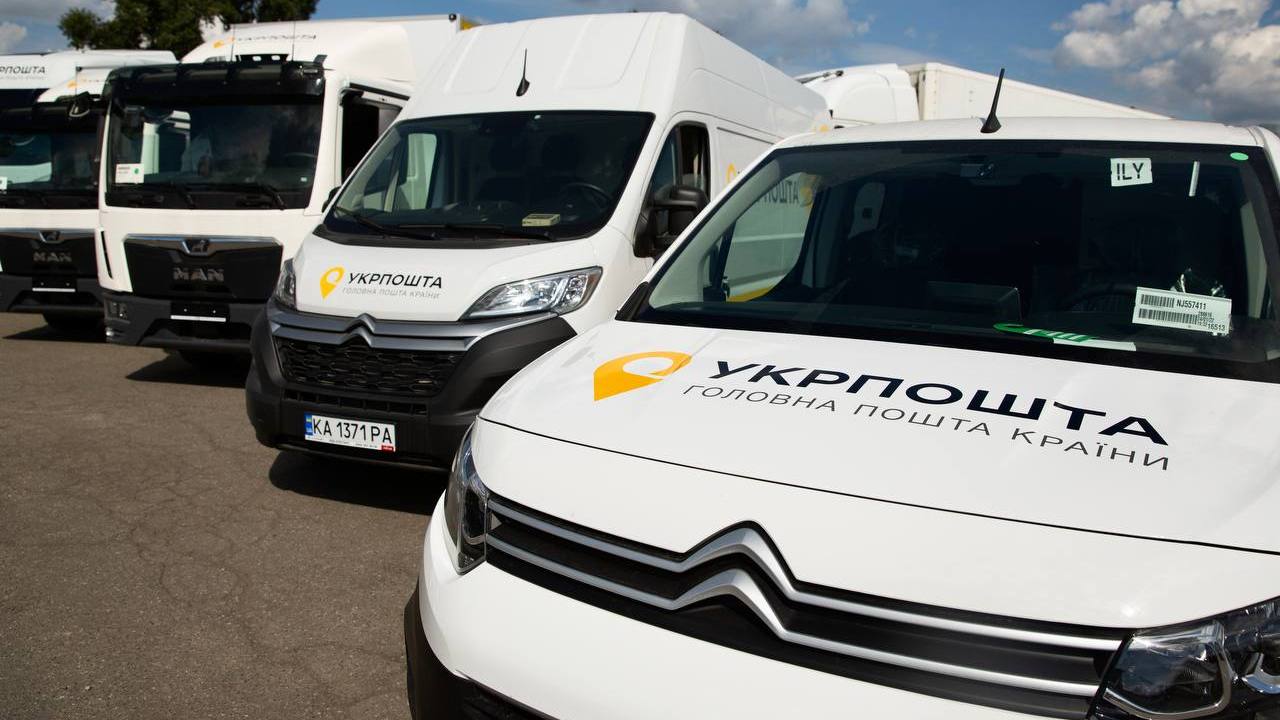
The national operator JSC Ukrposhta is preparing to confirm its capital at a level of over UAH 2 billion after the National Bank last year valued it at negative UAH 661.5 million. This was stated in an interview with RBC-Ukraine by Ukrposhta's CEO Ihor Smiliansky.
What the head of Ukrposhta said
"We engaged an independent appraiser who carried out a new valuation of assets that will be added to capital. I think the auditors will confirm it; our capital will be somewhere around plus UAH 2 billion"
— Ihor Smiliansky, CEO of JSC «Ukrposhta»
Smiliansky claims that the National Bank is creating obstacles to the creation of a Postal Bank. He provides financial calculations: under the agency-agreement model Ukrposhta would reportedly have minus UAH 1 billion, the state would receive plus UAH 800 million, banks — plus UAH 100 million, and the consolidated effect would be about minus UAH 100 million. Under the own-bank model, in his estimate, the state would gain plus UAH 1.7 billion, banks would lose minus UAH 900 million, and Ukrposhta would receive plus UAH 200 million, for a total of roughly plus UAH 600 million.
Context: IMF, legislation and PINbank
This is not an isolated initiative. In July 2024 the IMF agreed to the possibility of creating postal banks, after which a draft law on limited banking activity for new market entrants emerged. In January 2025 the Cabinet transferred PINbank from the State Property Fund to the Ministry of Communities and Territories — on its basis Ukrposhta planned to build a Postal Bank. However, on 16 September 2025 the National Bank proposed to close PINbank instead of transferring it — an important signal from the regulator about the project's future.
What this means for people and the market
Ukrposhta already accepts about 18% of all utility payments and pays pensions. According to Smiliansky, the operator effectively extends credit to pensioners in villages "on a notebook" — in other words, it performs financial functions without formal banking status. Confirmation of capital could formalize these services and expand access to financial services in the regions. At the same time, however, it raises questions about the concentration of the state in the banking system and the fulfillment of obligations to international partners.
What next
The next steps are completion of the independent audit and a decision by the regulator and the government regarding PINbank. If the audit confirms plus UAH 2 billion, Ukrposhta will gain a weighty argument in the discussion about a postal bank. However, the adoption of such a decision lies in the realm of political compromises, market trust and regulatory priorities.
Economists emphasize: a new player could improve access to payments and services in communities, but the real benefit will depend on liquidity, risk management and the ability to demonstrate the model's effectiveness. The ball is in the regulator's and the government's court: will these calculations be turned into a mechanism that actually works for the benefit of Ukrainians?