Ukrposhta made a U-turn: why the state operator now wants VAT on parcels from Temu and AliExpress
# Ukrposhta Changes Stance on Small Import Parcel Taxation A year ago, Ukrposhta blocked a bill on taxing small import parcels. Now it supports it. What changed, and why this is suddenly beneficial for everyone except the buyer.

By Oleg Bazylewicz
May 22, 2026 · 2 min read
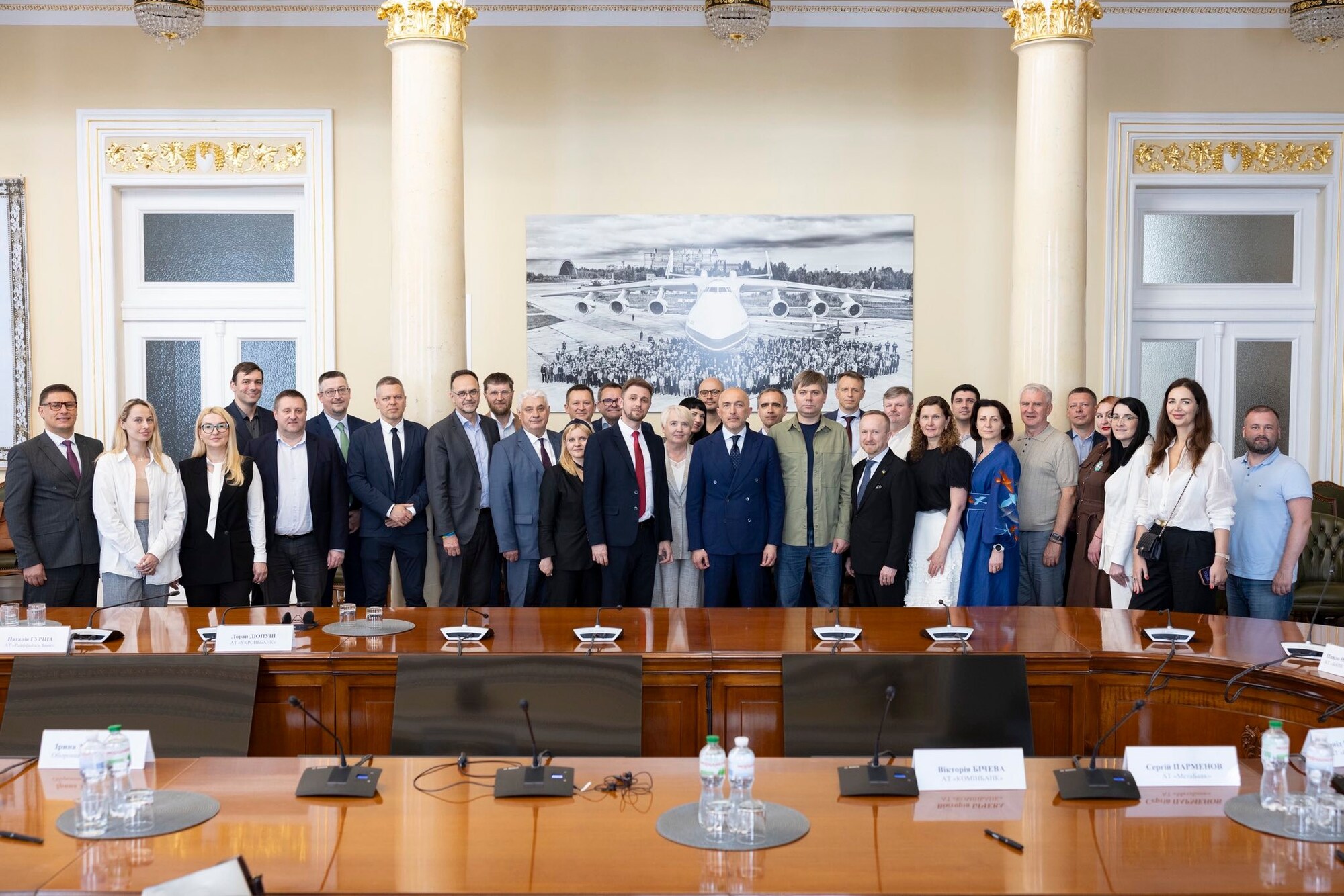
In 2025, Ukraine received 74.5 million parcels with customs value up to 150 euros — and from more than half of them the state received no VAT at all. According to calculations by the Institute for Socio-Economic Transformation, the budget lost at least 18.6 billion hryvnias in just this year. Armed with these figures, supporters of the draft law came to the round table — and they were not alone.
What happened to Ukrposhta's position
Yulia Pavlenko, director of the International Operations Department of Ukrposhta, confirmed the company's change in position directly: "We support this [revised] draft law". Just a few months ago, the general director of Ukrposhta was categorically opposed — the main argument was the chaos that could arise at customs due to the lack of digital integration.
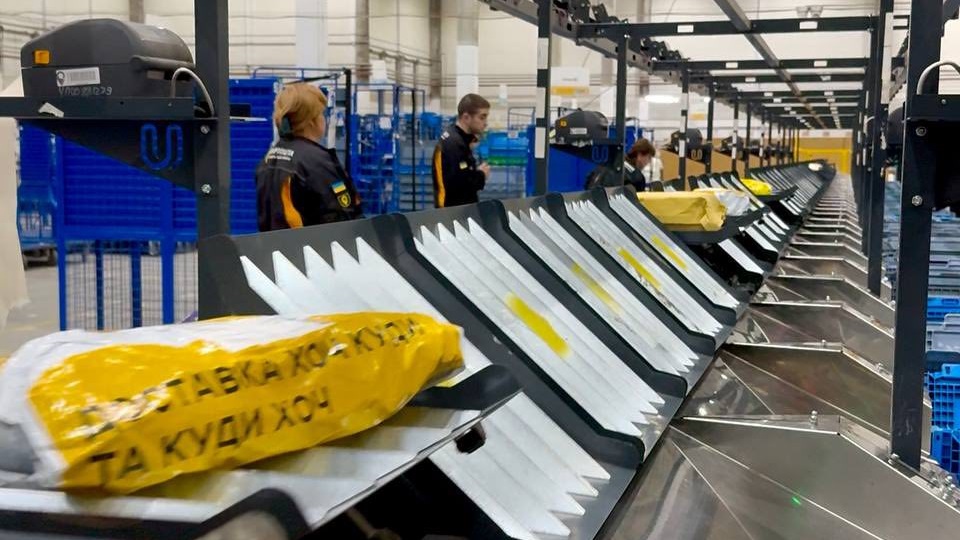
Now, according to Pavlenko, this argument has been removed: 100% of imported mail is already processed in paperless mode, and the draft law itself contains safeguards that will prevent import stoppages even from small foreign senders. The technical obstacle has disappeared — and the position has changed.
What really stands behind the figures
The argument about the balance of payments is not mere rhetoric. Every year, through the 150-euro exemption, Chinese marketplaces Temu and AliExpress effectively compete with Ukrainian producers under unequal conditions: domestic business pays 20% VAT, imported small goods do not.
"Currently, through this exemption, the Ukrainian producer suffers. Because our producer pays 20% VAT, while the Chinese producer does not pay, and these goods are flowing massively into Ukraine. This is a distortion of competition and oppression of our Ukrainian producer".
Oleg Hetman, coordinator of expert groups at the Economic Expert Platform
The marketplaces, according to the draft law's design, will administer the tax and transfer it to the budget — not customs and not the customer at the post office.
Details that matter
- Exemption threshold — only parcels up to 45 euros as personal gifts or items remain without VAT.
- Marketplaces are required to provide a financial guarantee — equivalent to 100,000 euros — to obtain the right to a simplified administration procedure.
- Transition year without administrative penalties for unintentional payment errors.
- Date of entry into force — no earlier than January 1, 2027, by separate decision.
- Adoption is a structural benchmark of the IMF Memorandum from February 13, 2026.
The draft law has already been approved by the relevant committee of the Council. According to estimates, the new model will bring approximately 10 billion hryvnias annually for the security and defense sector. The cumulative budget losses from this mechanism since the start of the full-scale invasion could exceed 43 billion hryvnias.
The question is not whether there will be VAT — it seems there will be. The question is whether marketplaces can handle the role of tax agent without gray schemes of splitting shipments, and whether 2027 will be a real start if the IMF does not change its priorities first.
```