UK readies sovereign alternative to Visa and Mastercard — a step towards financial resilience
British banks are preparing to launch DeliveryCo to guarantee that cards keep working in the event of US network outages. We explain why this matters for businesses, payers and allies — from London to Ukraine.

By Tetiana Suchkova-Ladik
February 17, 2026 · 2 min read
What happened
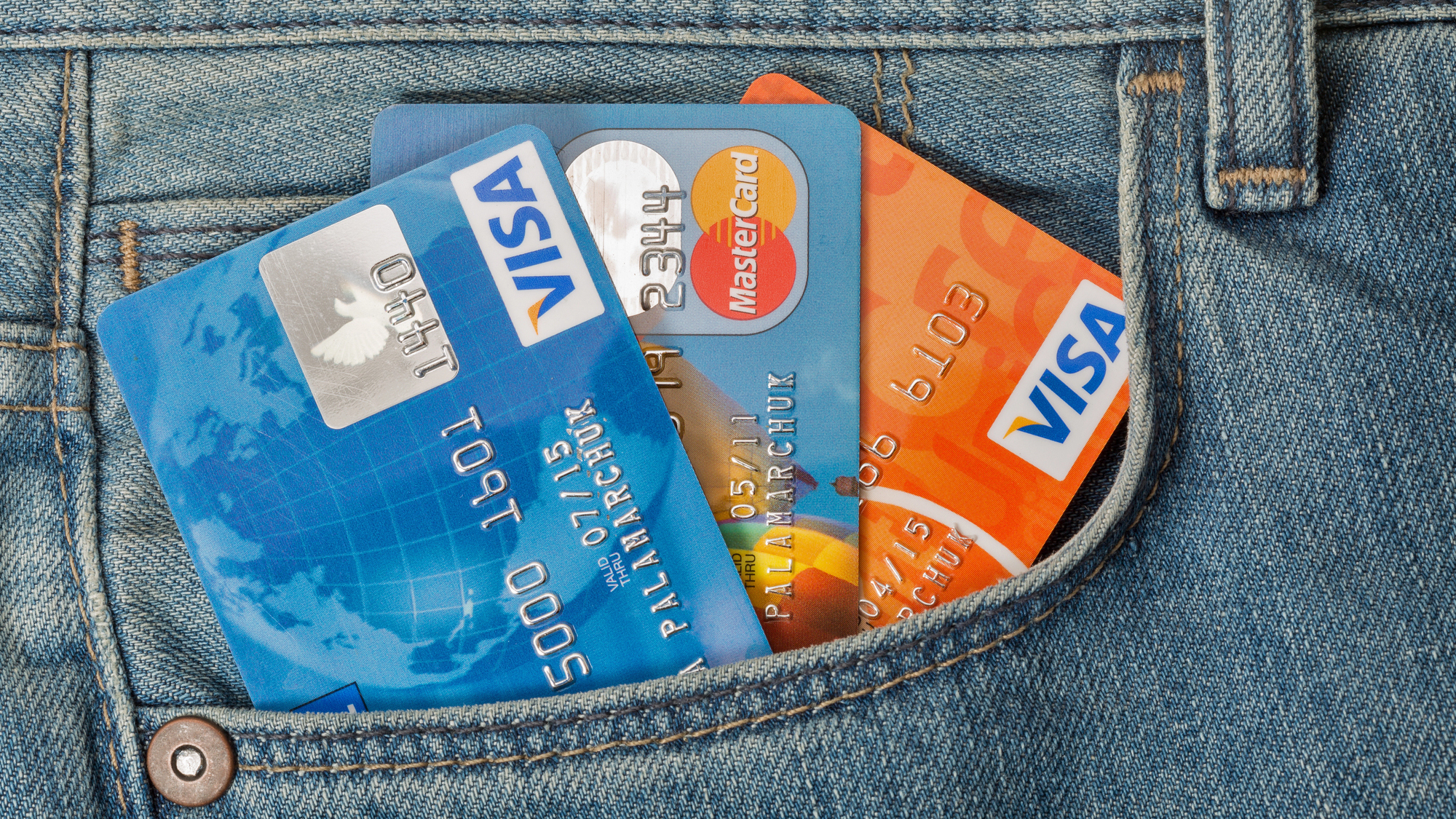
Executives of British banks are discussing the creation of a sovereign payments system — DeliveryCo — that would ensure card payments keep working if the Visa and Mastercard networks become unavailable. The initiative is reported by The Guardian.
Why it matters
Today about 95% of card transactions in the UK go through Visa and Mastercard. This is not just a competition issue: it concerns the operational resilience of the national economy. Losing access to these networks for political or technical reasons could paralyse retail payments and logistics.
How it would work
The meeting will take place on February 19 under the leadership of Wim Maru, chief executive of Barclays in the UK. A group of financial sponsors is to set up the legal structure, governance plans and funding models for DeliveryCo. The Bank of England is preparing infrastructure projects in parallel, which will be handed over to this group next year.
Political and regulatory context
The initiative has been discussed for a long time, but recent political signals have heightened the sense of risk from excessive dependence on US providers. This view has support in other capitals too: ECB president Christine Lagarde and the leadership of the European Payments Initiative (EPI) have stressed the need to reduce that dependence.
"If Mastercard and Visa were switched off, it would take us back to the 1950s. Of course, we need a sovereign payments system."
— A source familiar with the project (The Guardian)
What this means in practice
For businesses and consumers — more options and a lower risk of disruption to everyday payments. For regulators — the task of building a compatible technical architecture and a clear funding model. For international partners, including Ukraine, the UK example matters: resilient payment channels are an element of economic security during crises and sanctions.
Conclusion
The initiative is less about hostility toward particular companies than about pragmatic preparation for geopolitical uncertainty. The next step is to turn the discussion into concrete decisions: a legal framework, technical implementation and sources of funding. Questions remain: how quickly will this be done and who will assume the financial risk?



