Venezuelan gold heads to the U.S.: 650–1,000 kg, $108–166 million and a geopolitical precedent
Minerven concluded a sale of gold to be refined in the U.S. — a brief look at the money, smuggling risks, and why this matters for markets and geopolitics.

By Tetiana Suchkova-Ladik
March 5, 2026 · 2 min read
What happened
According to Axios, citing sources, the Venezuelan state company Minerven has agreed to sell between 650 and 1,000 kg of semi-refined gold to trader Trafigura, which will deliver the batch to refining plants in the U.S. for further purification and entry into financial and industrial markets.
At an approximate price of about $166,000 per kilogram, that corresponds to proceeds of roughly $108–166 million.
Why it matters
First, the deal opens access for part of Venezuela’s resources to U.S. infrastructure and payment channels — reducing the attractiveness of smuggling routes that for years siphoned profits away from the state.
Second, it signals a consensus between major market players (traders, refiners) and political interests in the region. As Axios reports, such contractual decisions are taking place against the backdrop of a changing political context in Venezuela and increased cooperation with the U.S.; for Washington it is a tool to regain control over critically important resources.
What it means for markets and for Ukraine
A single shipment of 650–1,000 kg will not move global gold prices, but it is systemically significant: the implementation of transparent supply and refining chains within the legal financial system creates a precedent that complicates schemes to evade sanctions and smuggle goods.
This matters for Ukraine for two reasons. First, stronger rules for transparent resource circulation reduce opportunities to finance authoritarian regimes through the grey economy — a precedent that works to strengthen the international rule of law. Second, more stable and transparent resource markets generally reduce the volatility faced by exporting and importing countries, including the Ukrainian economy.
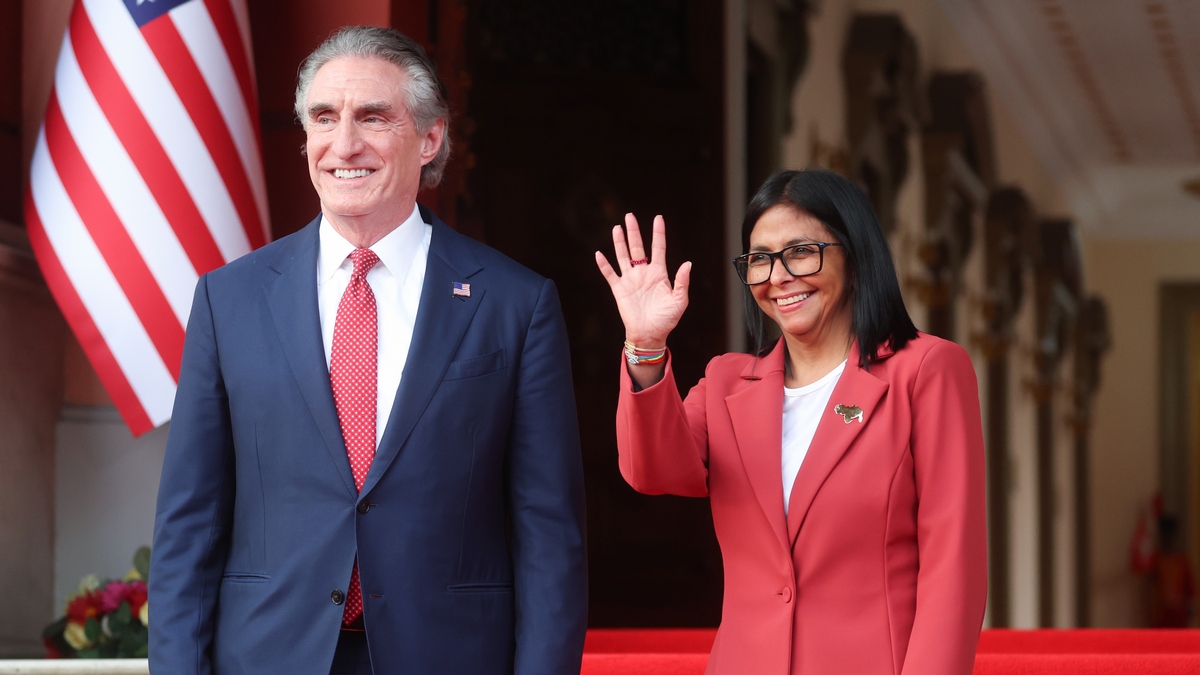
“Delsi Rodríguez, who [now] is the president of Venezuela, is doing a great job and is working very well with U.S. representatives. Oil is starting to flow, and the professionalism and dedication of both countries — it’s very nice to witness”
— Donald Trump, post on Truth Social (quote per Axios)
The expert picture adds context: although the Venezuelan government has at times claimed potential resources of up to 8,000 tonnes in the Arco Minero del Orinoco area, actual production in 2024 was estimated by the World Gold Council at roughly 30.6 tonnes. Thus the key question is not only volumes but the mechanisms of control and legalization of revenues.
Brief takeaway: the Minerven–Trafigura deal is more than a single gold contract — it is a test of a model whereby the resources of authoritarian regimes are integrated into transparent chains via Western institutions. If the practice takes hold, it could weaken illegal channels and strengthen the role of legal and market mechanisms in regional policy. But the question remains: will these statements and first contracts turn into a durable policy supported by the international trade and oversight infrastructure?