Supreme Court upholds three-year prison sentence for Ruslan Solvar over 360,000 hryvnias
Decision final: a former MP has been found guilty of illegally receiving reimbursements for renting a room at the "Kyiv" hotel. We explain why this matters for accountability over public funds and for legal practice in a time of trial for the country.

By Tetiana Suchkova-Ladik
December 16, 2025 · 2 min read
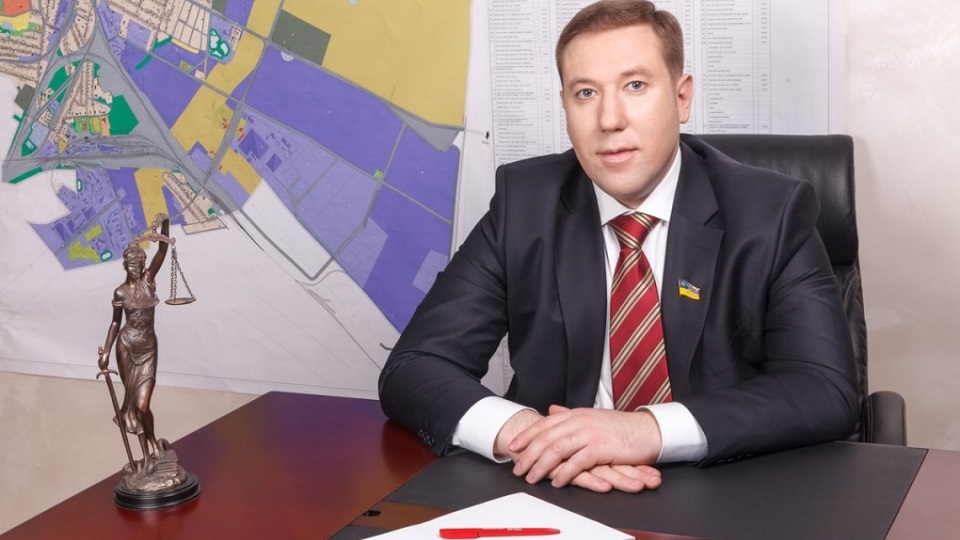
What the Supreme Court Decided
The Cassation Criminal Court of the Supreme Court left unchanged the verdict of the Appeals Chamber of the High Anti-Corruption Court dated 26 August 2024 — Ruslan Solvar was sentenced to three years of imprisonment. According to the Specialized Anti-Corruption Prosecutor's Office, the ruling is final and not subject to appeal.
"The Supreme Court's ruling is final and not subject to appeal."
— Specialized Anti-Corruption Prosecutor's Office
Case Details
The former People's Deputy of the 8th convocation from the Petro Poroshenko Bloc was found guilty of abuse of official position that caused grave consequences (Part 2 of Article 364 of the Criminal Code of Ukraine). The court established that in the period 2014–2018 he illegally received UAH 360,000 in compensation for expenses for renting a room at the "Kyiv" hotel. He is currently held in a pre-trial detention facility (SIZO).
"Found guilty of abuse of official position that caused grave consequences (Part 2 of Article 364 of the Criminal Code of Ukraine)."
— Appeals Chamber of the HACC (verdict of 26 August 2024)
Why This Matters
This decision is not just a sentence for an individual. It establishes a precedent for accountability for embezzled or improperly obtained state funds. In the context of a protracted war, transparency and the application of the law to everyone without exception are key to preserving public trust and international support.
Anti-corruption institutions emphasize that systematic work by the courts and the prosecutor's office should be reflected not only in high-profile decisions, but in the consistent enforcement of rulings and the recovery of losses. As an example of this practice continuing — in April 2025 the Supreme Court upheld the verdict against Yurii Hrymchak (10 years with confiscation of property), which indicates a trend toward the final holding of high-ranking officials to account.
What Comes Next
The Supreme Court's ruling has consequences on three levels: enforcement of the sentence against the specific individual, a signal for political accountability, and the judiciary's image before international partners. The practical implementation of the decision (enforcement of the punishment, possible recovery of funds) will depend on the procedural mechanisms the state applies.
A question for the public and authorities: how can risks of improper payments be systematically reduced and effective recovery of funds ensured, especially when every hryvnia is important for the country's defense and reconstruction?