Vienna Against Blogger: Court Halts Bereza's Version of Oschadbank Scheme — Before Main Hearing
Vienna's Commercial Court has banned Borislav Bereza from disseminating claims about the involvement of Oschadbank and its management in the shadowy withdrawal of assets. The ruling is preliminary in nature but already requires the deletion of publications.

By Tetiana Suchkova-Ladik
May 21, 2026 · 2 min read
In March 2026, seven couriers from the state Oschadbank were detained by Hungarian police at the border. In armored vehicles — $40 million, €35 million and 9 kg of gold, arranged under an agreement with Raiffeisen Bank International. The Hungarian side alleged money laundering, held personnel in isolation and, according to the bank itself, applied torture to brigade members.
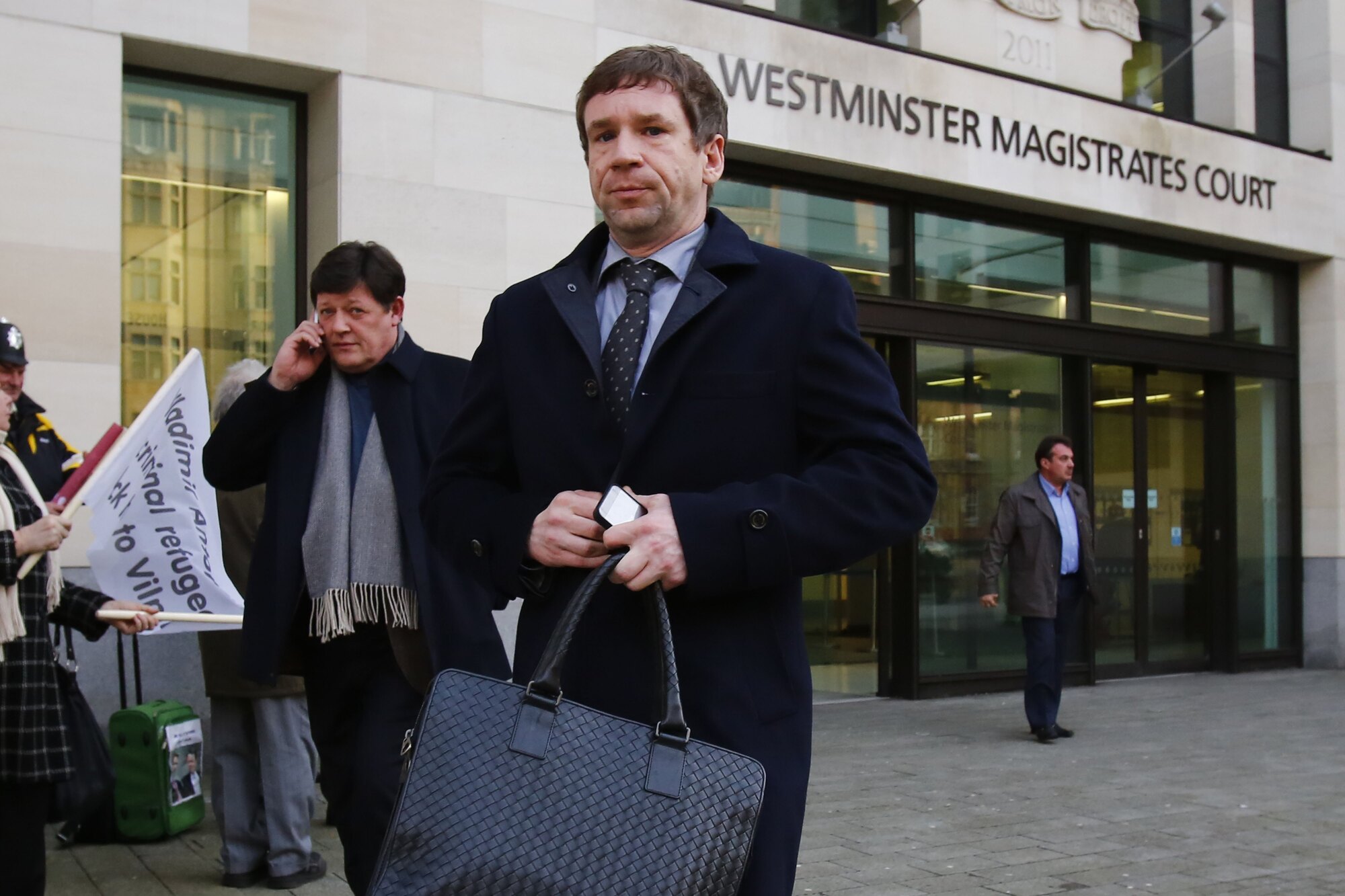
This very incident became the starting point for the public version presented by Borislav Bereza — a former member of parliament and active blogger. He described the scheme as follows: couriers travel to Vienna, officially purchase currency and gold, but instead of returning to Kyiv, they stop, for example, in Serbia — where they leave assets in local bank branches. They return with documents, but in empty vehicles. According to Bereza, this explains the specifics of the route and distinguishes Oschadbank from other market players — PrivatBank, Raiffeisen and PUMB, which similarly purchase cash in Vienna.
«Why out of four market players who purchase cash from Raiffeisen Bank (Vienna), only Oschadbank deviates from the route?»
Borislav Bereza, publications on Facebook and Telegram
Oschadbank rejected these versions. On March 20, the bank publicly qualified the statements as defamation and promised legal protection. Then — it filed a claim with the Vienna Commercial Court at Bereza's place of registered residence, relying on the Austrian Civil Code and the law on unfair competition. Legal support — the Asters firm, which acts as the bank's national counsel.
What the court decided
The court granted the application for provisional remedies — that is, a preliminary injunction before the main case is heard. Bereza is obligated to:
- refrain from making statements that accuse Oschadbank and its officials in the circumstances of the «Hungarian case»;
- remove already published materials from all platforms.
If Bereza does not comply independently — Oschadbank has already notified Facebook and Telegram for forced removal. The next step, according to the bank, is filing the main claim to obtain a final injunction.
What this does not resolve
Provisional remedies are a tool for rapid response, not a ruling on the merits. The court did not examine whether Bereza's version was truthful: it only evaluated the sufficiency of evidence for temporary restriction. Meanwhile, the Hungarian side in May 2026 cancelled all decisions regarding the couriers — the entry ban, deportation, registry records — essentially recognizing the detention as unlawful. Zelenskyy confirmed the gold and funds were returned on May 6.
Bereza, for his part, has not publicly retracted any statement and has not comprehensively commented on the court's decision.
The question that will determine the outcome of the main case: will Oschadbank provide the court with an audit of all courier routes — not just documents for specific shipments? Without this, the court will assess an individual episode rather than the systemic pattern that Bereza described.